EN
EN AR
AR FR
FR DE
DE HI
HI IT
IT JA
JA KO
KO PT
PT RU
RU ES
ES ID
ID LV
LV VI
VI HU
HU MS
MS GA
GA BE
BE YI
YI EU
EUWhat is a Tungsten Alloy Shielding Component?
1. Introduction to Tungsten Alloy Shielding Components
With the rapid development of medicine, industries, aerospace, and geological explorations, the urge for effective and environmentally friendly radiation shielding materials is much stronger now than ever. The conventional shielding materials, especially lead, present environmental and health hazards.
Against this backdrop, one of the most advanced solutions to have emerged in the global marketplace involves tungsten alloy shielding parts. By capitalizing on the superior density and atomic structure of tungsten, these parts provide protection from X-ray, gamma ray, and neutron radiation unlike any other. Since the working industries are gradually shifting toward green technology with lightweight shielding structures, products made from tungsten alloys have been found suitable for modern manufacturing and system integration.
2. What is a Tungsten Alloy Shielding Component?
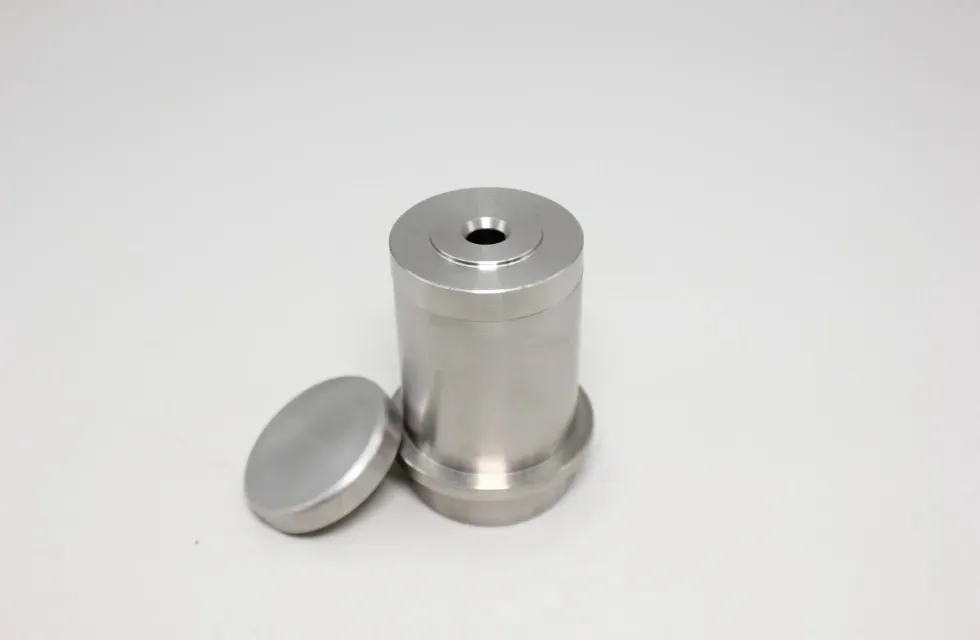
The tungsten alloy shielding component is a kind of high-density radiation protection product manufactured by engineered tungsten alloy materials. It is designed specifically to absorb and attenuate high-energy radiations such as X-rays, gamma rays, and neutron emissions. These components are widely used to ensure safety and operational reliability in various applications including medical equipment, nuclear systems, aerospace instruments, and industrial non-destructive test equipment.
1) Core Principles Underlying Tungsten Alloy Shielding
The superior effectiveness of tungsten alloy shielding comes from two key property features:
- Very high density: Up to 18.5 g/cm³, considerably higher than conventional lead.
- High atomic number: Allows for more powerful interaction with radiation particles.
These characteristics enable tungsten alloys to provide the same kind of shielding effect as lead but in much thinner, more compact, and robust designs.
2) Typical Alloy Compositions
Commercial tungsten alloy systems commonly employed include:
- W-Ni-Fe (Tungsten-Nickel-Iron)
- W-Ni-Cu (Tungsten-Nickel-Copper)
These alloy combinations effectively enhance mechanical strength, toughness, and machinability, enabling manufacturers and engineers to tailor-make products for specific applications.
3. Key Features and Advantages of Tungsten Alloy Shielding Components
| Performance Feature | Benefit Description | Application Value |
|---|---|---|
| High Density & High Atomic Number | Exceptional radiation attenuation capability | Enables thinner, lighter, and more space-efficient shielding designs |
| Excellent Mechanical Properties | Alloyed with Ni, Fe, or Cu for improved strength and toughness | Machinable into complex forms such as blocks, tubes, rings, or custom shapes |
| Eco-friendly & Non-toxic | A green alternative to lead-based shielding materials | Supports compliance with medical and environmental regulations |
| Non-magnetic & Low Interference | Safe for magnetic-sensitive instruments such as MRI systems | Preferred material for modern medical imaging technologies |
4. Common Shapes and Types of Tungsten Alloy Shielding Components
The marketplace offers an extensive selection of different tungsten alloy shielding product types, each with very specific applications:
1) Shielding Plates and Blocks
Widely used for structural shielding in:
- Nuclear facilities
- Medical Imaging Rooms
- Industrial radiography chambers
2) Collimators, Rings, and Cylinders
Critical to precision control of the radiation beams in:
- Radiotherapy equipment
- Nuclear medicine instruments
3) Shielding Boxes and Containers
Designed to safely store and transport radioactive sources.
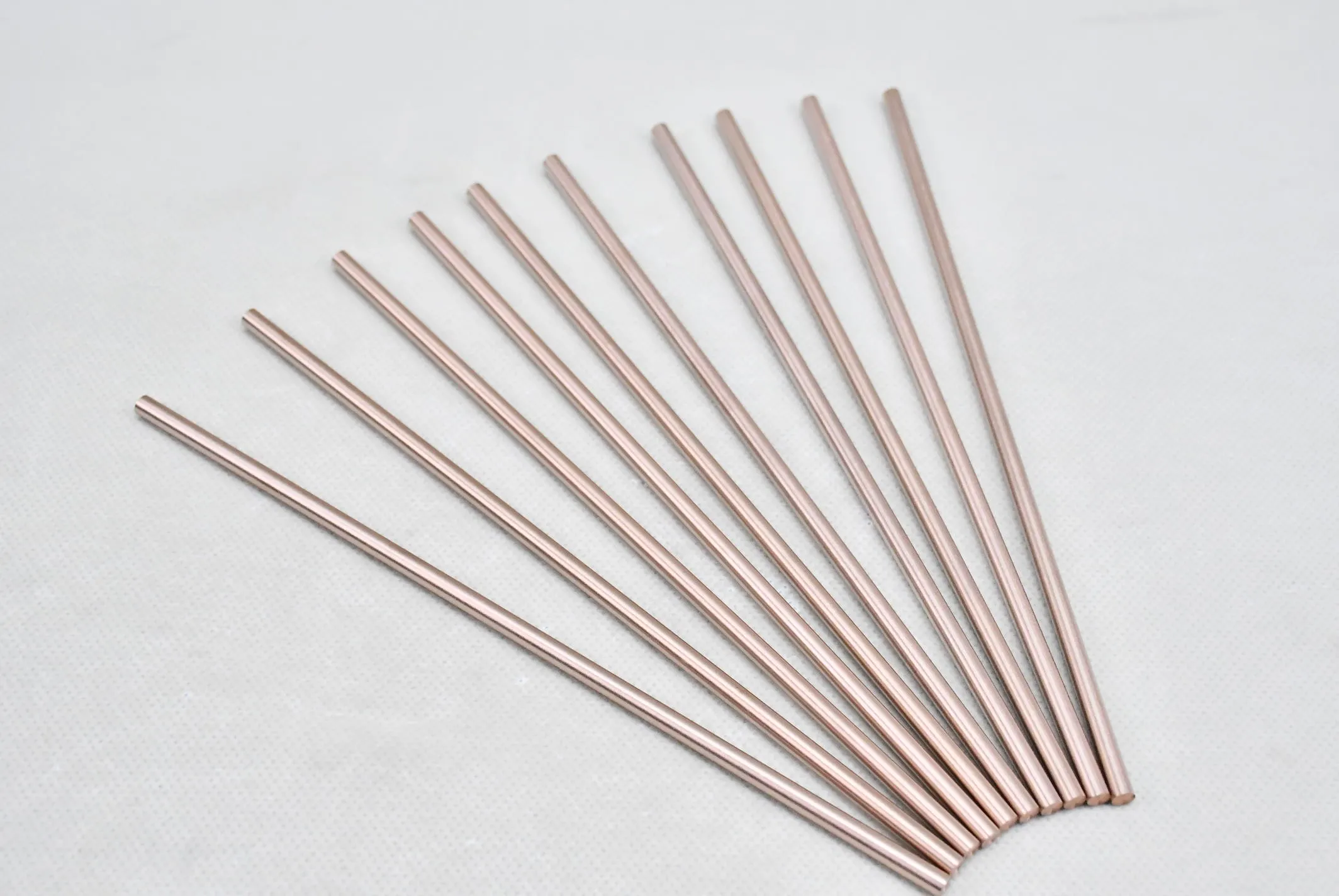
4) Rods, Bars, and Tubular Components
Applications include:
- Reactor control rods
- Pipeline shielding
- Scientific research devices
5. Major Application Sectors
1) Medical Industry
Tungsten alloy shielding materials are indispensable in:
- CT and X-ray machines
- PET and SPECT scanners
- Radiation therapy devices
- Shielded syringes and protective cabinets
The high density allows for minimal exposure to staff and patients in the medical field, while the property of non-magnetism allows compatibility with MRI systems.
2) Nuclear and Industrial Radiation Protection
- Reactor shielding structures
- Radiographic test equipment
- Radiation inspection equipment
- Protective barriers in nuclear plants
3) Aerospace and Defense
- Satellite shielding plates
- Spacecraft radiation barriers
- Military optical and targeting systems
4) Geological Exploration, Oil & Gas
- Downhole tools
- X-ray inspection modules
- Density logging instruments based on radiation
These components allow for precise measurement and safety in operation under severe conditions in drilling.
6. Why Tungsten Alloy Shielding is the Future
1) Strong Global Market Growth
With the growing demand from medical imaging, nuclear energy, aerospace engineering, and industrial non-destructive testing, the global tungsten alloy shielding market has grown quite fast.
2) Adherence to Environmental Policies
Due to increasing global restrictions on the use of lead, tungsten alloy shielding represents a clean and nontoxic solution that fully meets today's environmental compliance standards such as RoHS and REACH.
3) Advantages of Customization and Certification
Following are some of the ways export-oriented manufacturers can enhance their international competitiveness:
- Precision manufacturing
- Material testing and inspection
- ISO, CE, and FDA compliance, among other certifications
- Custom product geometry
These capabilities enable a tungsten alloy shielding manufacturer to better serve the needs of their international customers in the aerospace, defense, nuclear, and medical industries.
🔗 Visit SiteFAQs
1. What makes tungsten alloy shielding superior to lead?
Compared with other materials, tungsten alloy has superior advantages of high density, good durability, and non-toxicity, making it a safer and more efficient material for radiation protection.
2. Is customized tungsten alloy shielding components possible?
Yes. An approved tungsten alloy shielding manufacturer can fabricate custom shapes, densities, and dimensions to fulfill the specifications of the project.
3. Are the tungsten alloy products safe to use in medical environments?
Absolutely, they are non-toxic, non-magnetic, and meet the standards of global medical safety.
4. Which are the industries that most use tungsten alloy shielding?
The main fields include medical imaging, nuclear engineering, aerospace, defense, industrial testing, and geological exploration.
5. Where can I find more details concerning international standards on tungsten materials?
You can refer to global material and radiation safety guidelines available through standards organizations including ASTM and ISO.