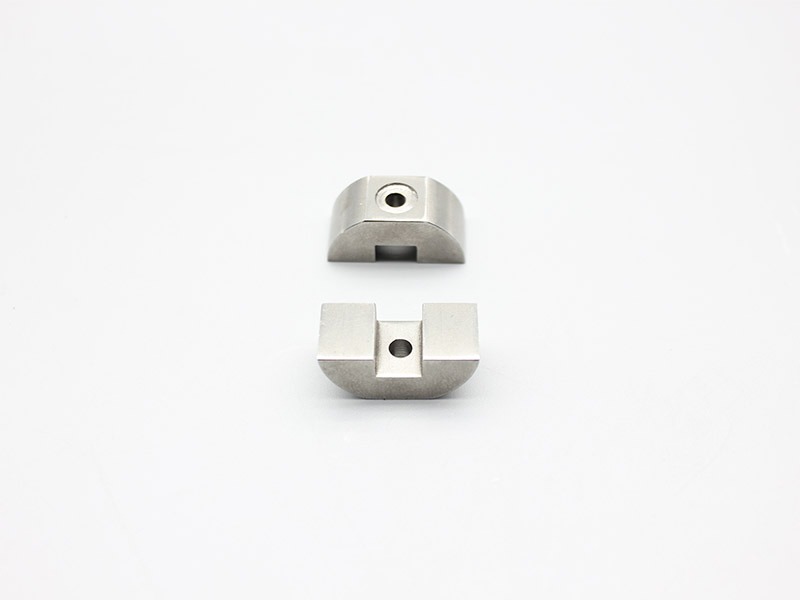
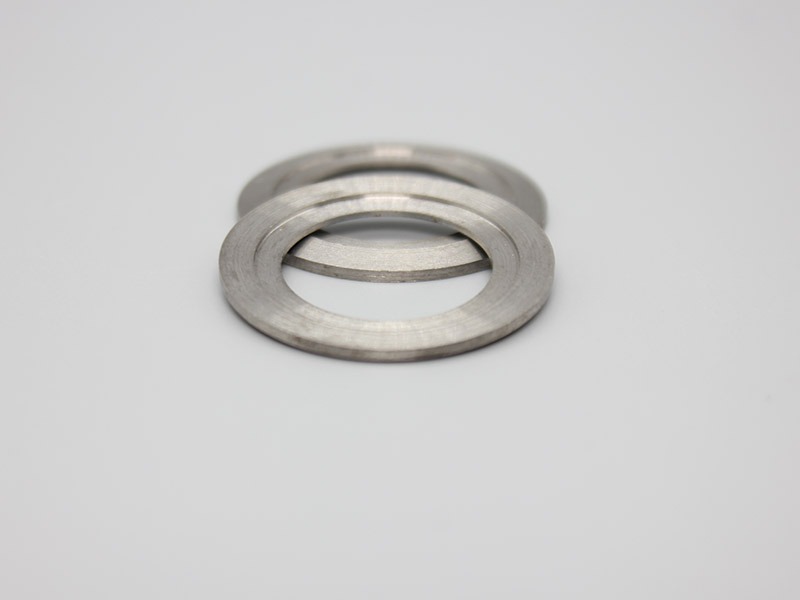
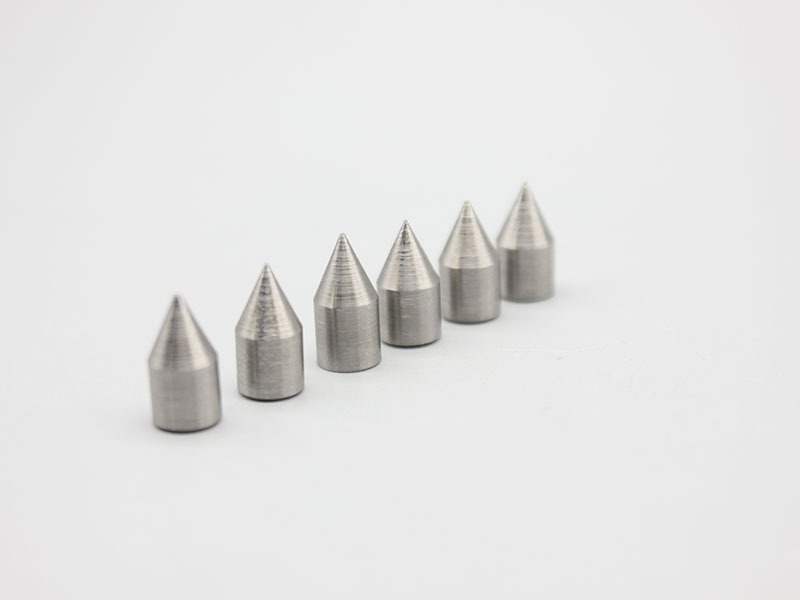
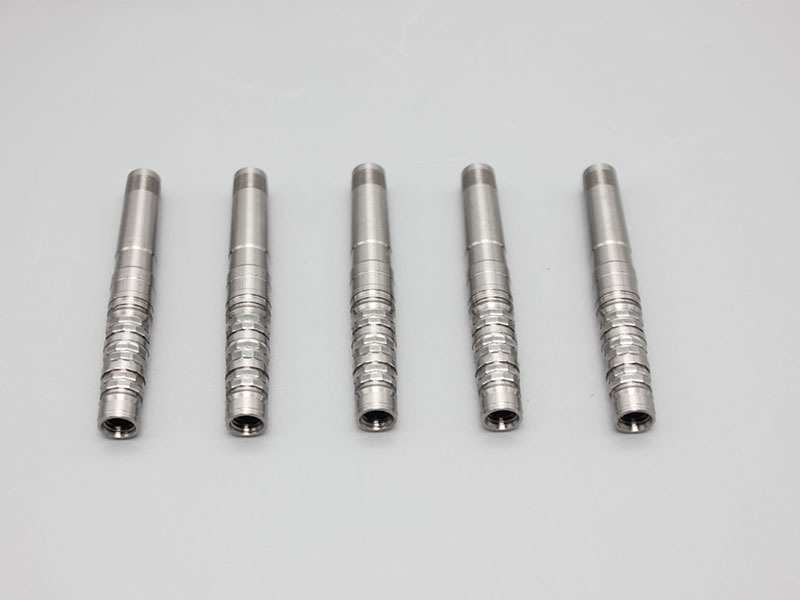
Jiuding alloy heavy tungsten has become an important material in industries manufacturing compact and lightweight yet robust items. Its tensile strength and relative flexibility provide good performance in aerospace devices and instruments, where precision is paramount. The heat-resistance and low thermal expansion of the alloy facilitate operational precision while minimizing deformation. It is also considered a high-performance option in rotating machinery experiencing high energy-translation speeds and mechanical vibration.
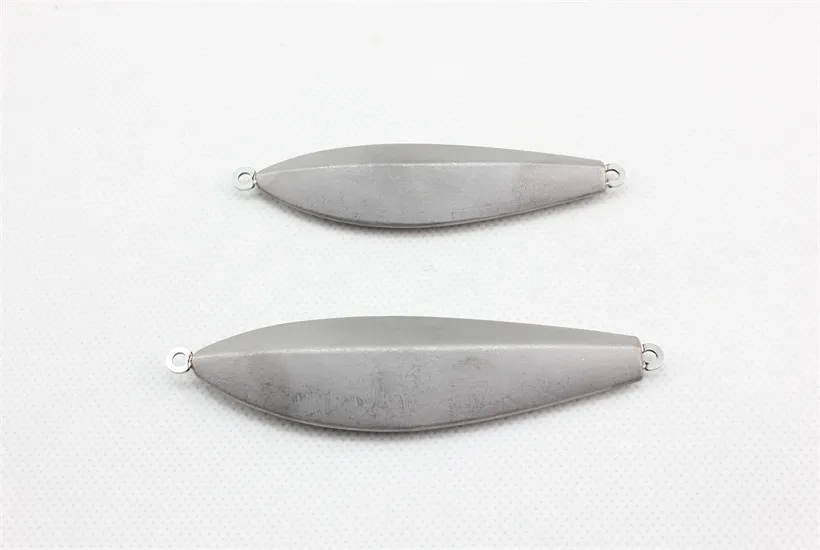
Jiuding alloy heavy tungsten is growing in use in the automotive industry as precautions in crankshaft balancing, as a damping element, and for high-performance racing components. Its dense design allows for precise control of oscillatory rotational forces to enhance vehicle stability and overall engine efficiency. The material's durability in high-temperature and stress environments serves to maximize operational performance over the lifespan of the engine.
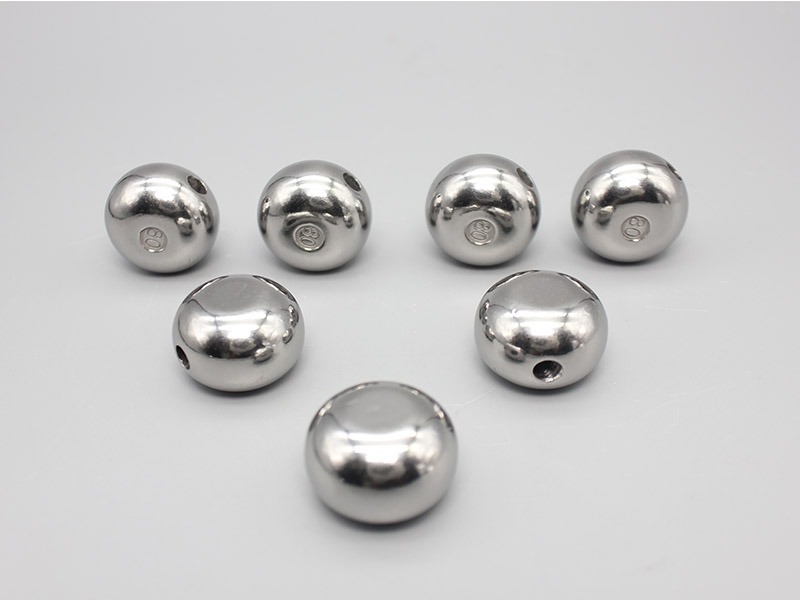
In the following years expect a confluence of Jiuding alloy heavy tungsten with advanced composites for hybrid engineered materials. The hybrids will provide flexibility, corrosion resistance and weight reduction benefits. In addition, as industries look for stable and energy absorbing materials, the role of alloy in electric mobility and autonomous vehicles will grow.
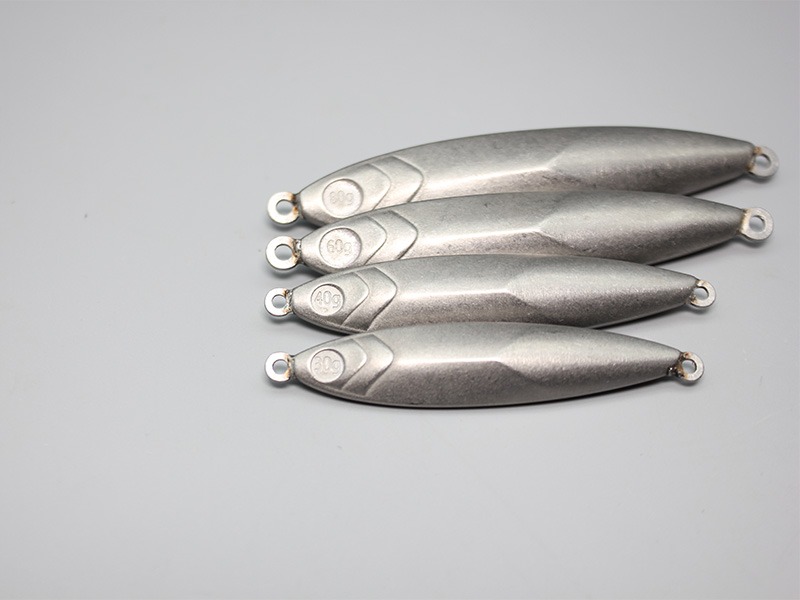
To extend the life cycle of Jiuding alloy heavy tungsten, do not apply excessive force to avoid impact damage which can produce micro-cracks in the ground surface. Periodic polishing, particularly in the application of precision tools for surgery or sub-disciplines in medicine, can restore surface smoothness. Avoid contact and handling with reactive metals to minimize galvanic corrosion.
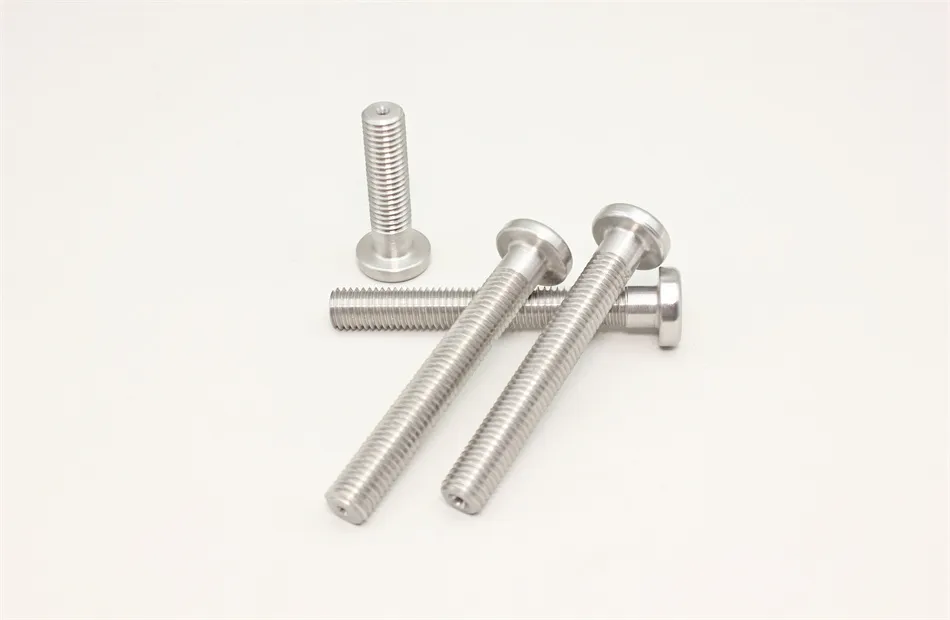
Jiuding alloy heavy tungsten is specifically designed for high performance applications, combining hardness with good machinability. Common applications include for counter weights, ballistic applications, and vibration damping structures. The consistent physical properties of the material provide a high level of precision and durability in a final product.
Q: How is Tungsten heavy alloy used in oil and gas exploration? A: It serves as a key material for counterweights, drilling tools, and downhole equipment due to its density and wear resistance. Q: What maintenance practices help preserve Tungsten heavy alloy components? A: Regular cleaning, controlled storage, and protection from moisture help prevent oxidation and extend service life. Q: Why does Tungsten heavy alloy perform well in vibration control? A: Its density and internal damping capacity reduce oscillations in precision machinery and aerospace systems. Q: What machining techniques are best for Tungsten heavy alloy? A: CNC milling, grinding, and electrical discharge machining are commonly used for shaping Tungsten heavy alloy with precision. Q: How does Tungsten heavy alloy support environmental sustainability? A: It replaces toxic lead in many applications while offering durability and recyclability for eco-friendly production cycles.
I appreciate that Tungsten heavy alloy is non-toxic yet just as heavy and stable as lead — a smart upgrade.
The Tungsten heavy alloy handles extreme pressure and heat better than most metals I’ve used.
To protect the privacy of our buyers, only public service email domains like Gmail, Yahoo, and MSN will be displayed. Additionally, only a limited portion of the inquiry content will be shown.
We are a machining parts supplier seeking tungsten heavy alloy rods for precision components. Kindly...
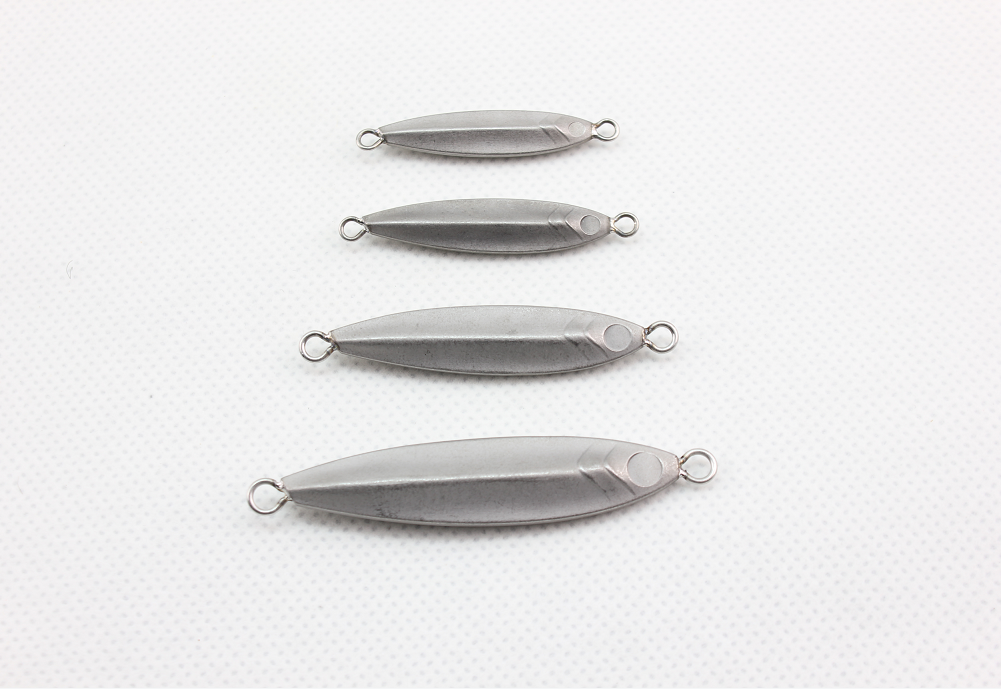
We operate a fishing tackle store and want to stock tungsten jig. Please send details on bulk pricin...
Copyright © Zhuzhou Jiuding Metal Technology Co., Ltd. All Rights Reserved
 EN
EN AR
AR FR
FR DE
DE HI
HI IT
IT JA
JA KO
KO PT
PT RU
RU ES
ES ID
ID LV
LV VI
VI HU
HU MS
MS GA
GA BE
BE YI
YI EU
EU