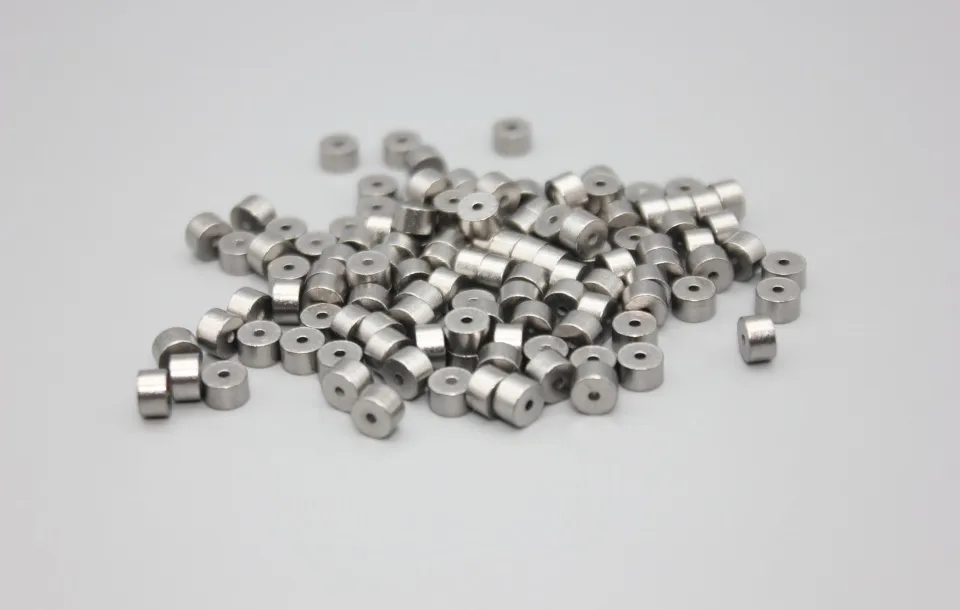
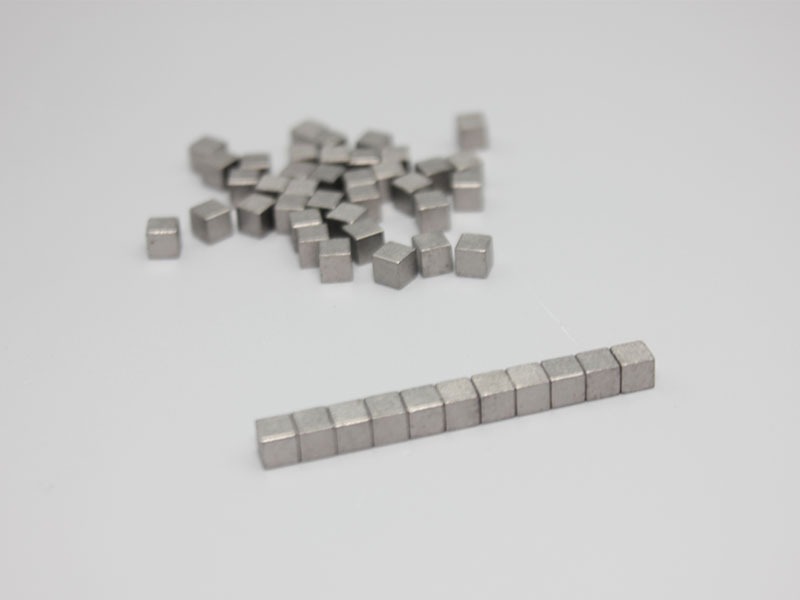
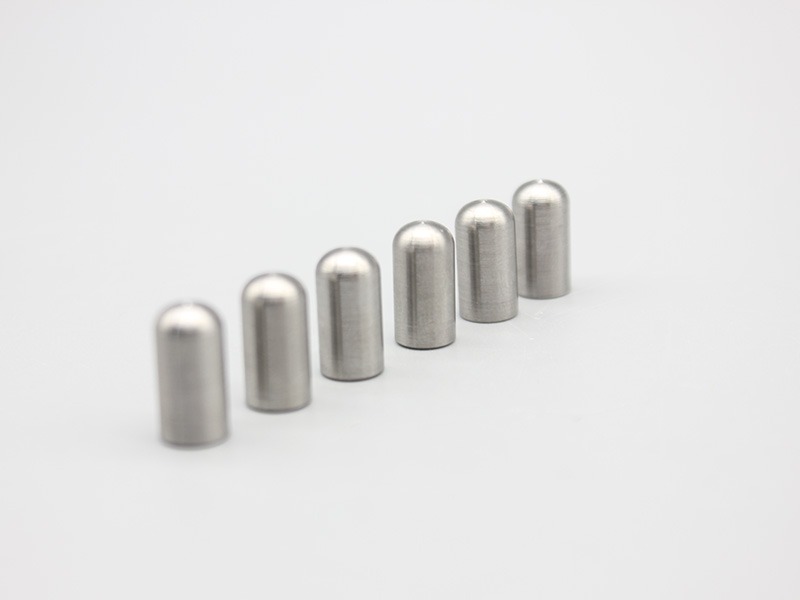
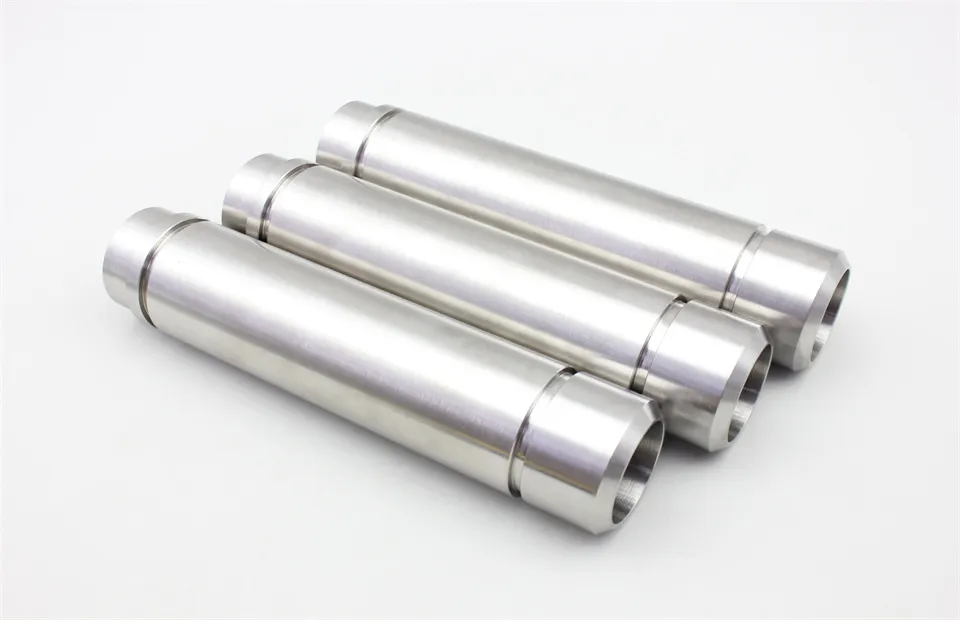
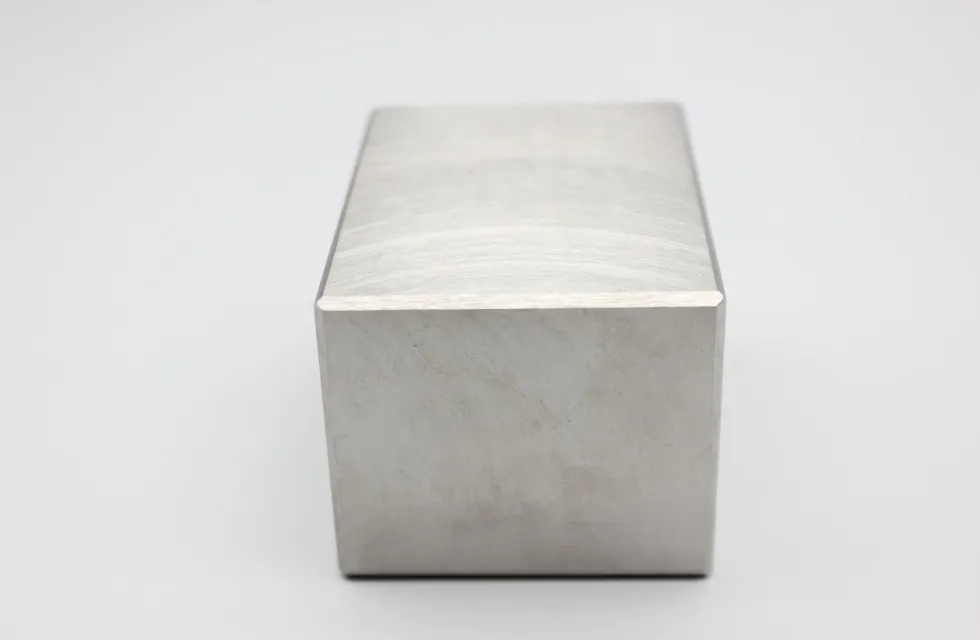
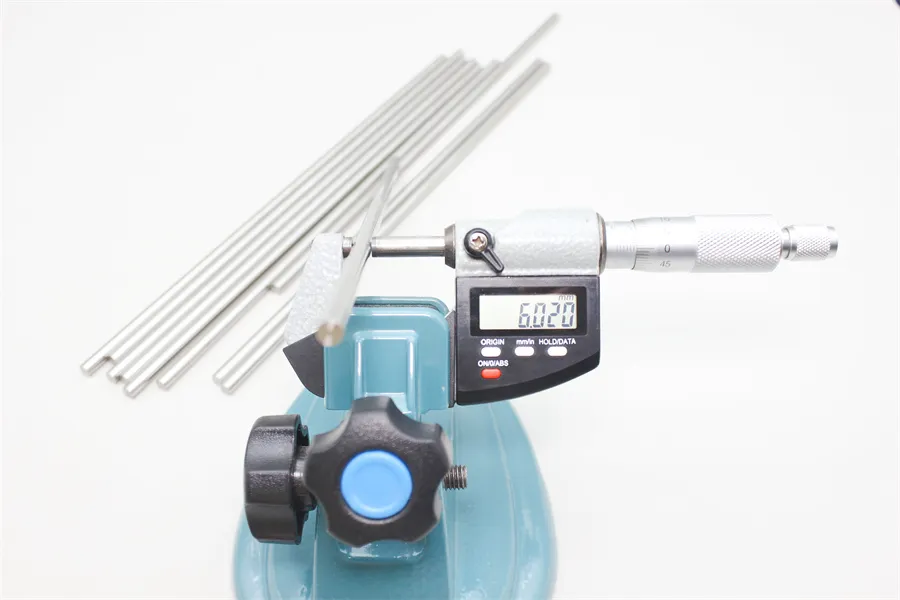
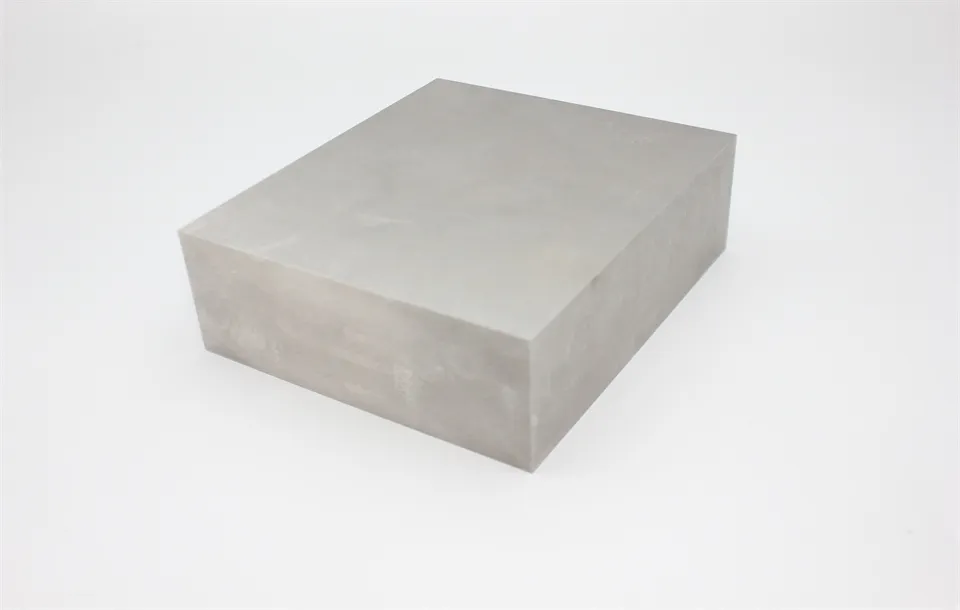
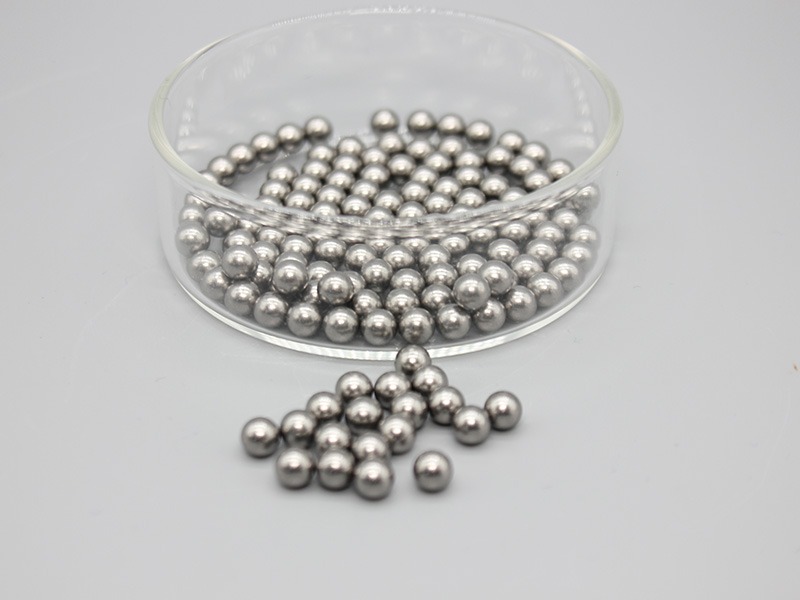
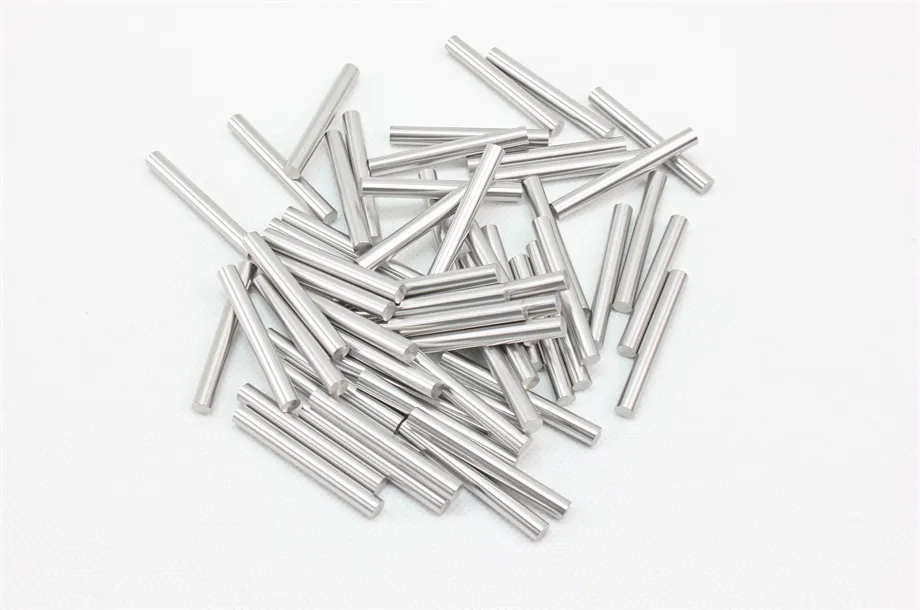
With the change in industrial technologies, Jiuding tungsten heavy alloys weight is still the material of choice for those parts that need both bulk and strength. Its high melting point and low plasticity make it an able performer during stress that is extreme and yet it remains precise in its dimensions. This is why engineers use it for making vibration absorbers, aircraft components, and kinetic energy penetrators. The coexistence of hardness and ductility guarantees a long operational lifetime, thus, making Jiuding tungsten heavy alloys weight a necessary input in high-performance engineering applications.
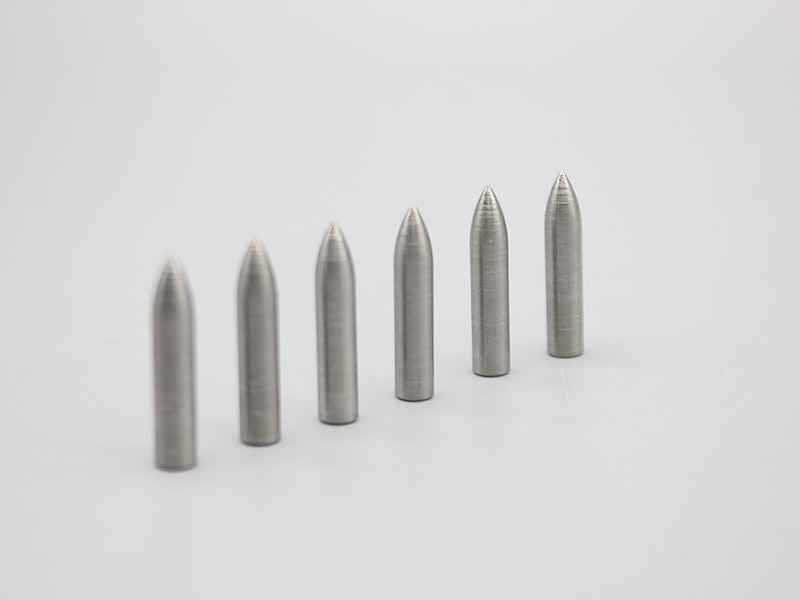
Jiuding tungsten heavy alloys weight is growing in use in the automotive industry as precautions in crankshaft balancing, as a damping element, and for high-performance racing components. Its dense design allows for precise control of oscillatory rotational forces to enhance vehicle stability and overall engine efficiency. The material's durability in high-temperature and stress environments serves to maximize operational performance over the lifespan of the engine.
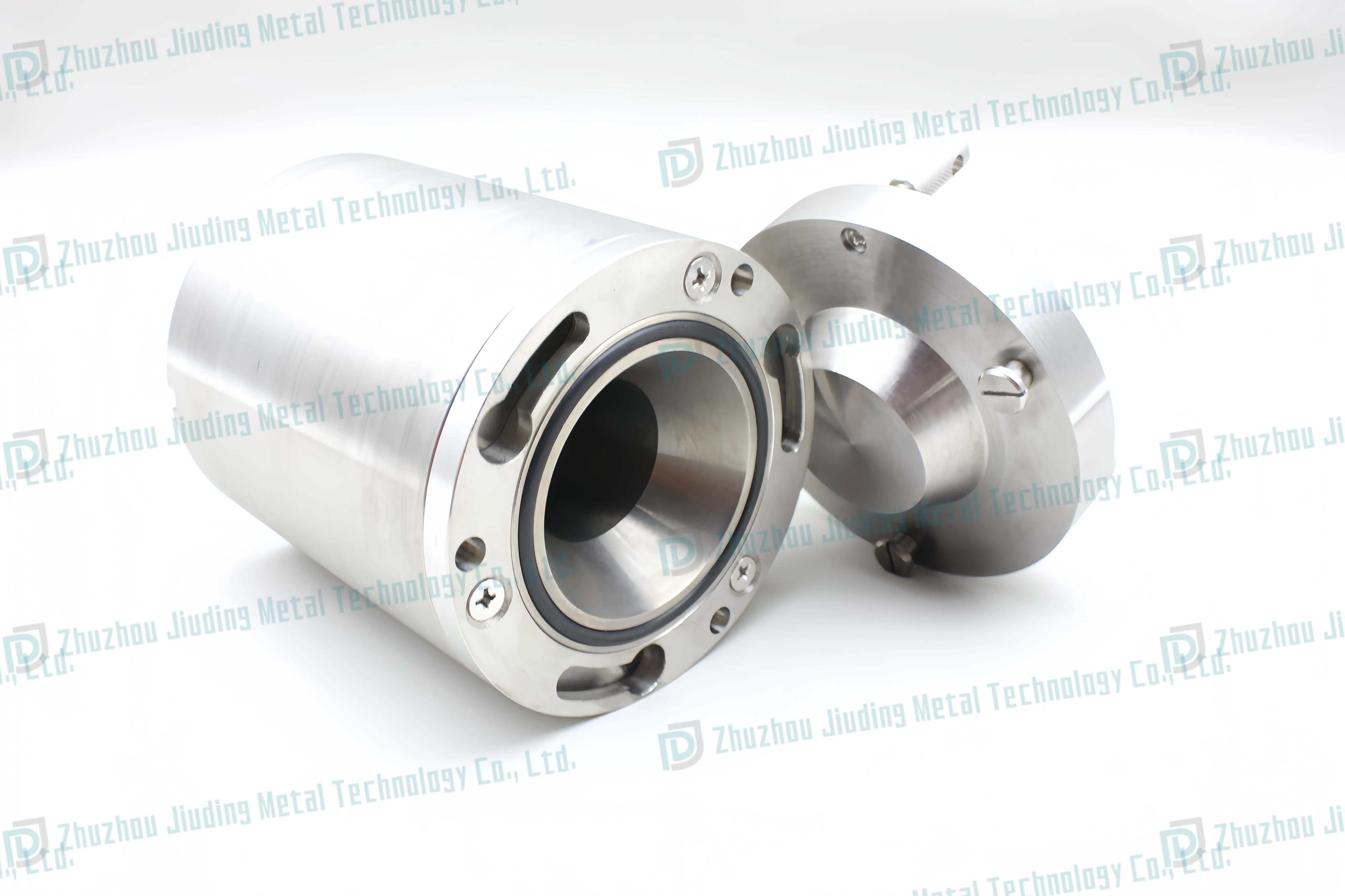
Future Jiuding tungsten heavy alloys weight will marry mechanical fidelity with ecological awareness. Manufacturers are pouring resources into recyclable formulations, high-quality efficient casting to minimize waste, maximizing the balance of density and stability to support technologies like undersea robotics and magnetic shielding.
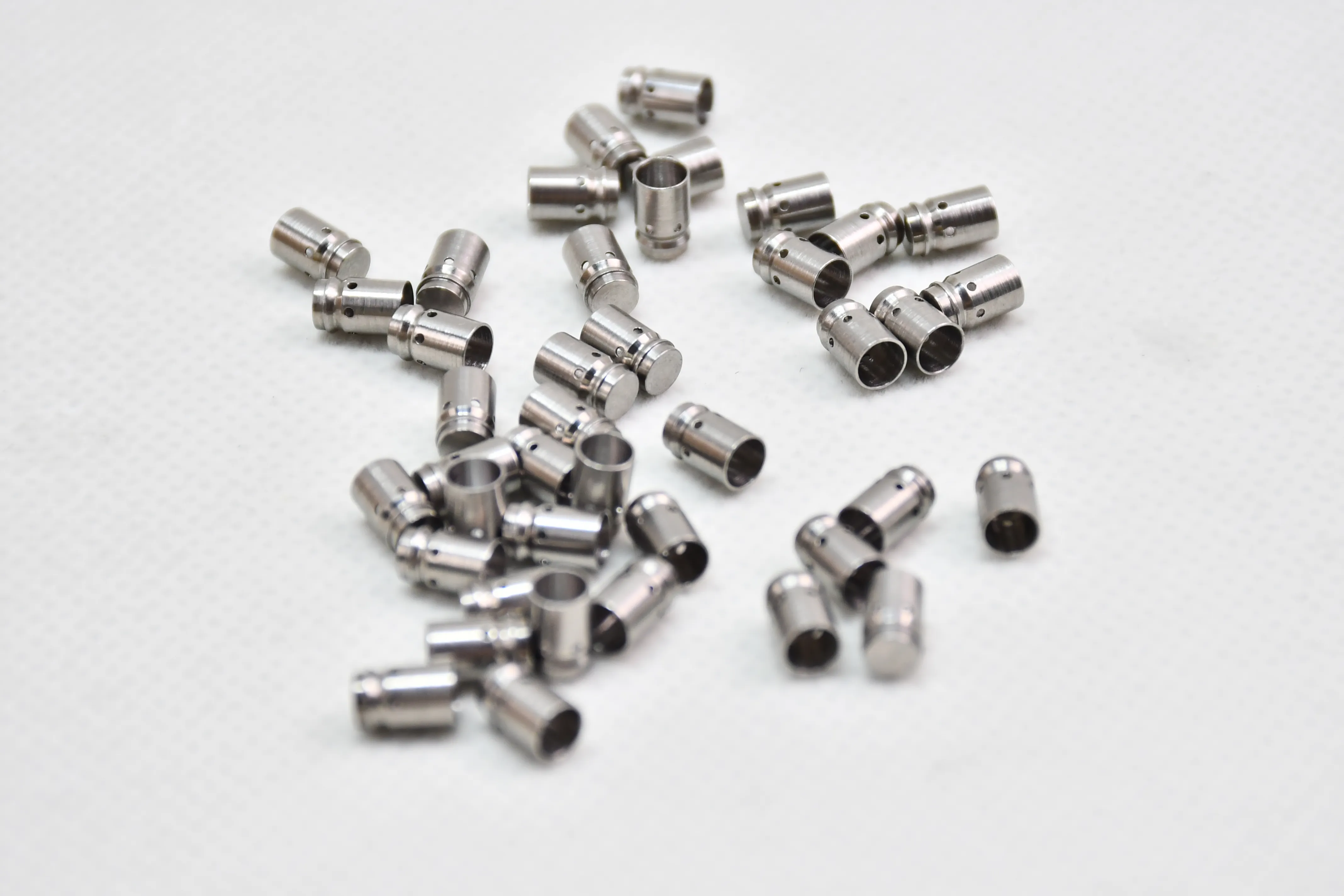
For machinery equipped with Jiuding tungsten heavy alloys weight components, it is ideal to have a scheduled time to perform maintenance of the machinery. As part of planned maintenance, check the components for alignment and correct lubrication. When dust or residue is present, clean the surfaces regularly to adequately avoid abrasive wear. The parts must remain cool and dry for the alloy to properly maintain mechanical strength and to resist mechanical fatigue.
Jiuding tungsten heavy alloys weight provides solutions for the exact structural requirements, even under high restraint. Uses include aerospace tools, components in defense, and industrial developments in high speed machines. Its fatigue resistance also provides an extended operational span.
Q: What are the key mechanical properties of Tungsten heavy alloy? A: Tungsten heavy alloy offers high tensile strength, superior hardness, and outstanding resistance to fatigue, ensuring reliability in harsh environments. Q: How does Tungsten heavy alloy perform under extreme heat? A: It retains structural integrity and strength even at elevated temperatures, making it suitable for high-temperature engineering tasks. Q: Why is Tungsten heavy alloy favored for radiation shielding? A: Its high atomic mass and density allow it to effectively block radiation while maintaining structural strength. Q: Is Tungsten heavy alloy environmentally friendly? A: Yes, it is non-toxic and can be recycled efficiently, making it a sustainable material for long-term industrial use. Q: What are the typical compositions of Tungsten heavy alloy? A: It typically contains 90–98% tungsten combined with nickel, copper, or iron to enhance ductility and machinability.
I’ve used the tungsten jig for months, and its weight balance makes it super easy to control even in deep spots.
The craftsmanship of the tungsten jig is excellent — it reacts quickly to every move of the rod.
To protect the privacy of our buyers, only public service email domains like Gmail, Yahoo, and MSN will be displayed. Additionally, only a limited portion of the inquiry content will be shown.
We need tungsten heavy alloy plates for counterweight applications. Please share available thickness...
Our aerospace division is sourcing tungsten heavy alloy counterweights. Please confirm density, tole...
Copyright © Zhuzhou Jiuding Metal Technology Co., Ltd. All Rights Reserved
 EN
 AR
 FR
 DE
 HI
 IT
 JA
 KO
 PT
 RU
 ES
 ID
 LV
 VI
 HU
 MS
 GA
 BE
 YI
 EU