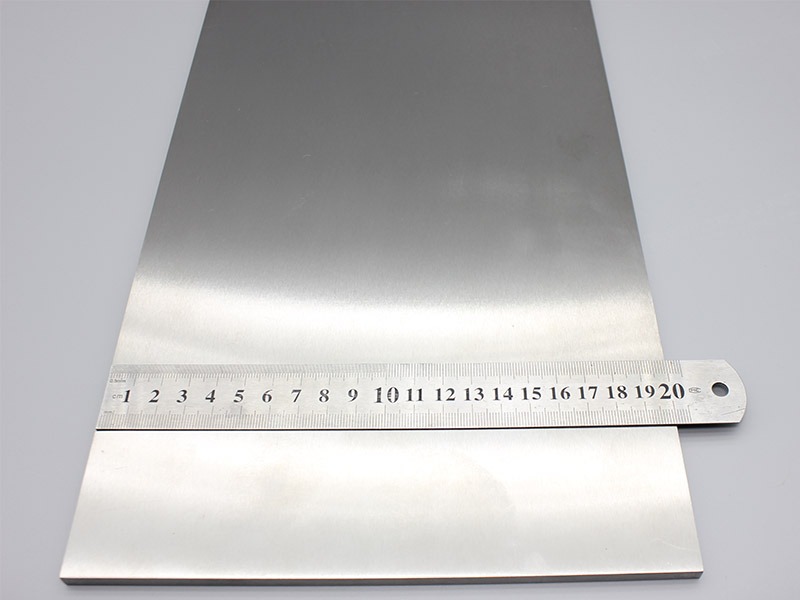
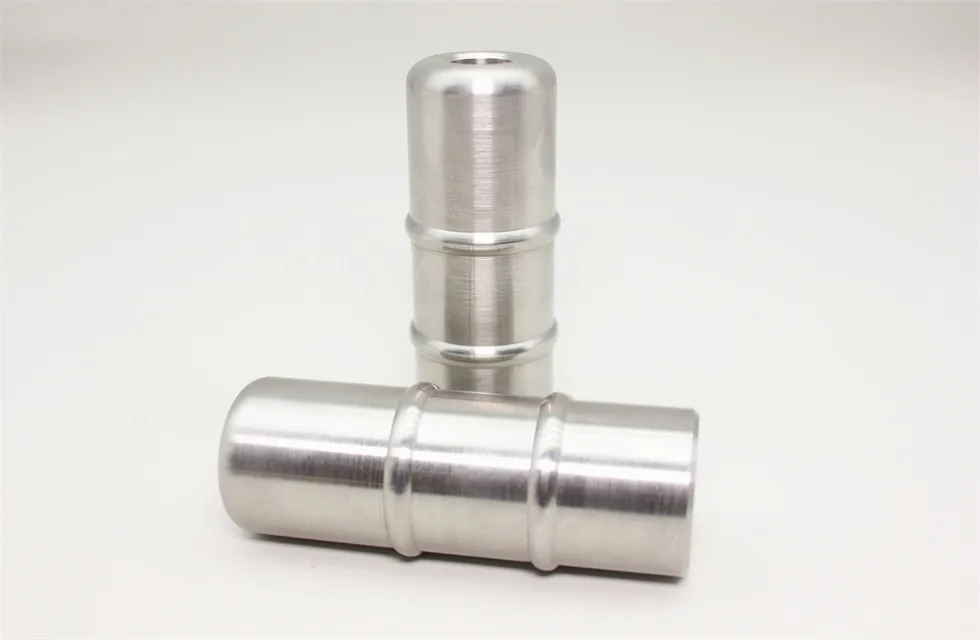
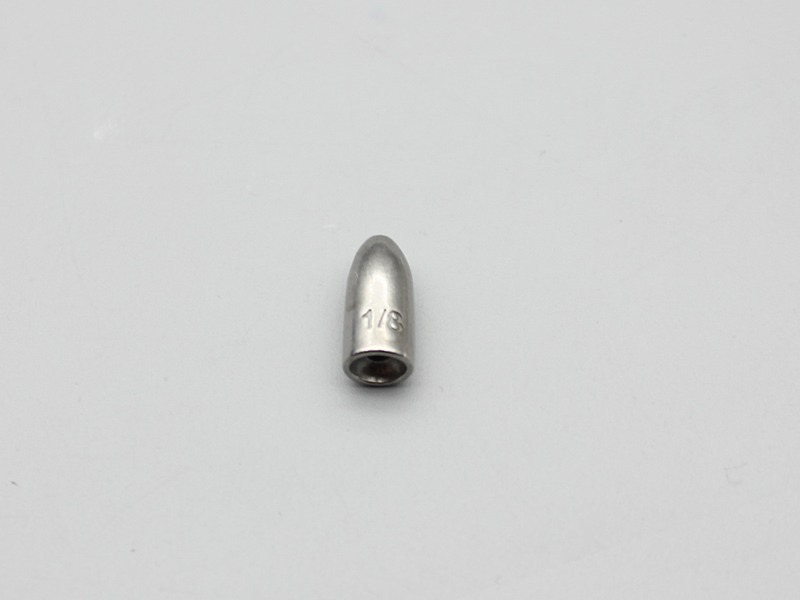
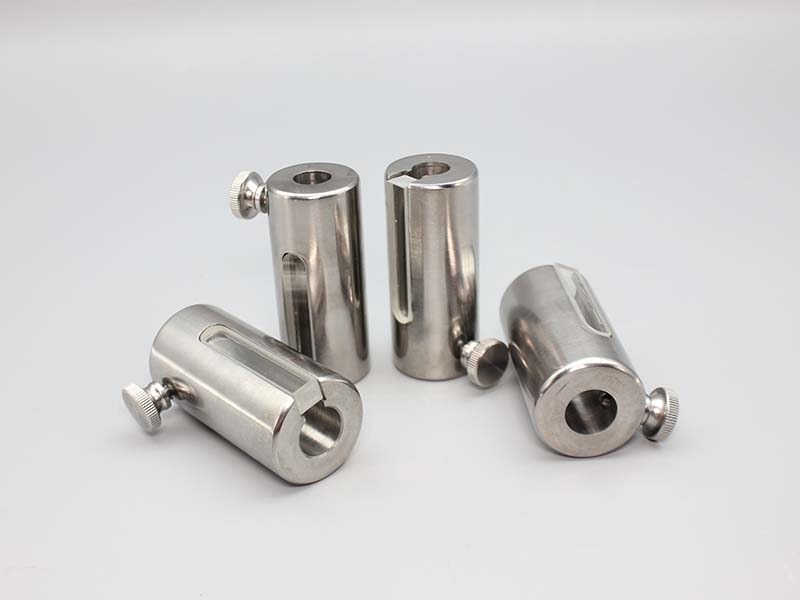
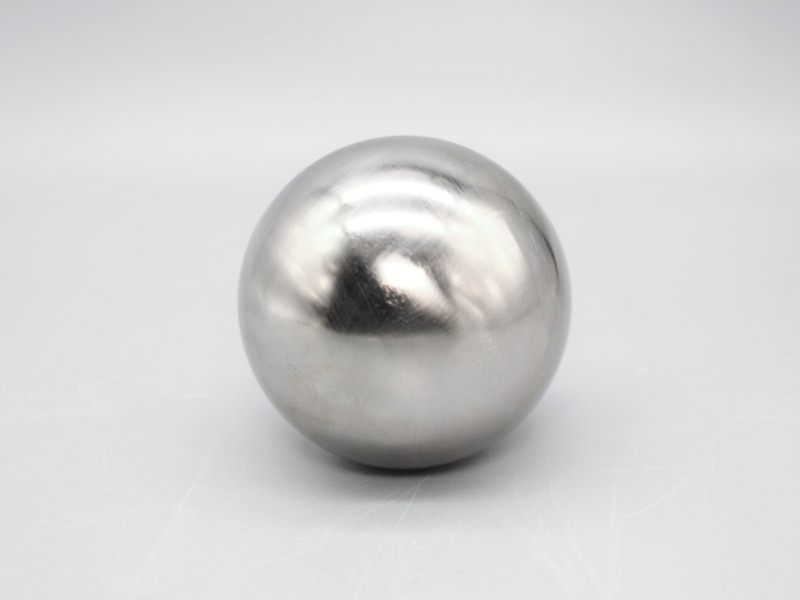
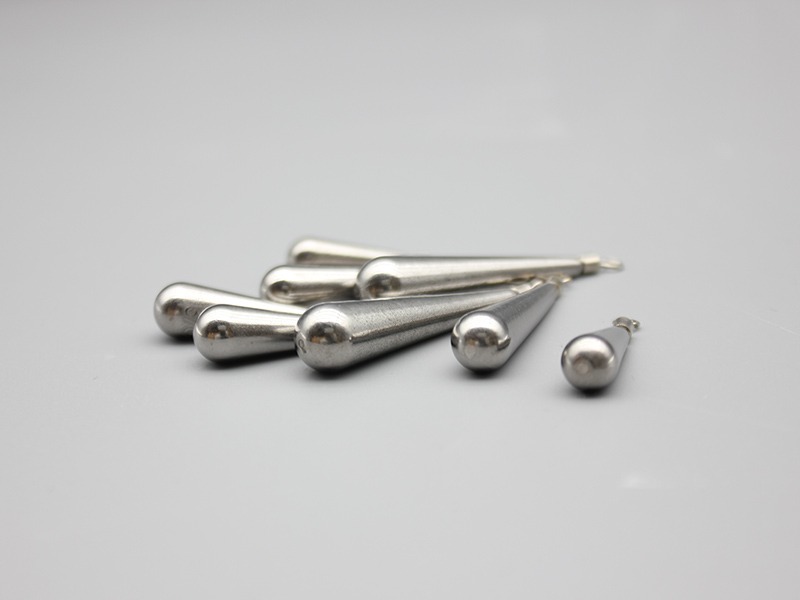
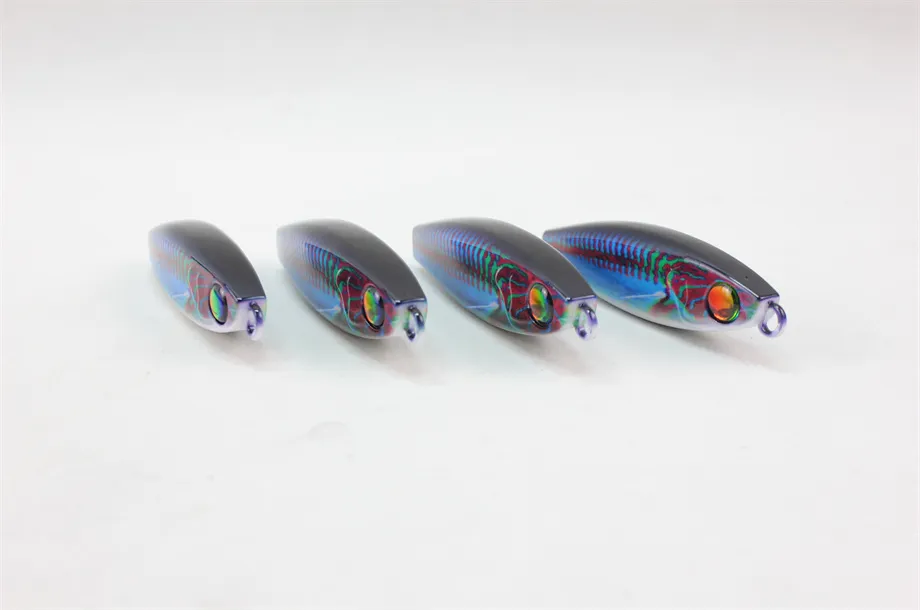
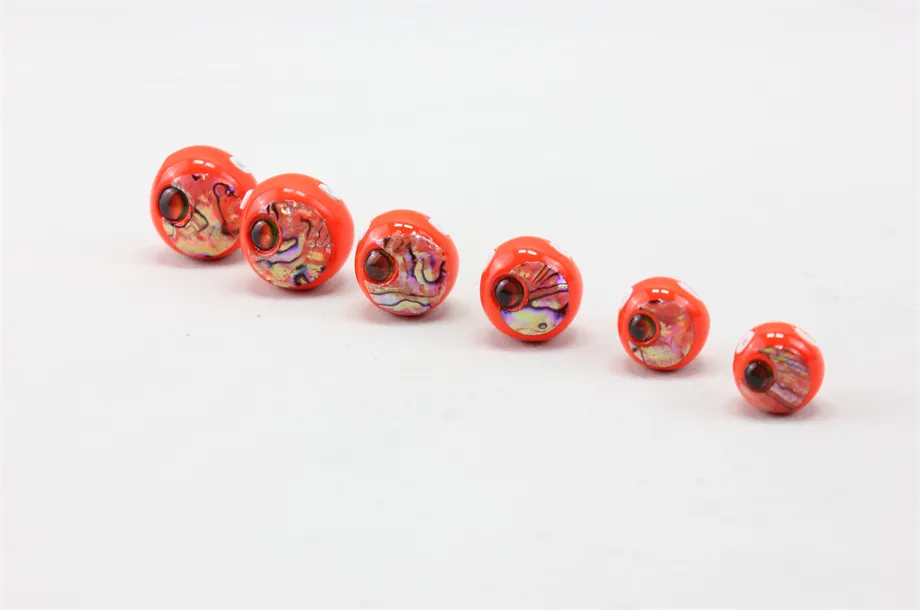
Built for professional anglers, the how to make tungsten jigs features a high-density design for accurate sinking and great sensitivity. The polished finish reduces drag and corrosion resistance. The compact profile mimics prey movement, which makes it appealing to fish even in pressured water. With a soft plastic or live bait rigging ease, the how to make tungsten jigs can be applied in several fishing situations with great versatility and reliability in each cast.
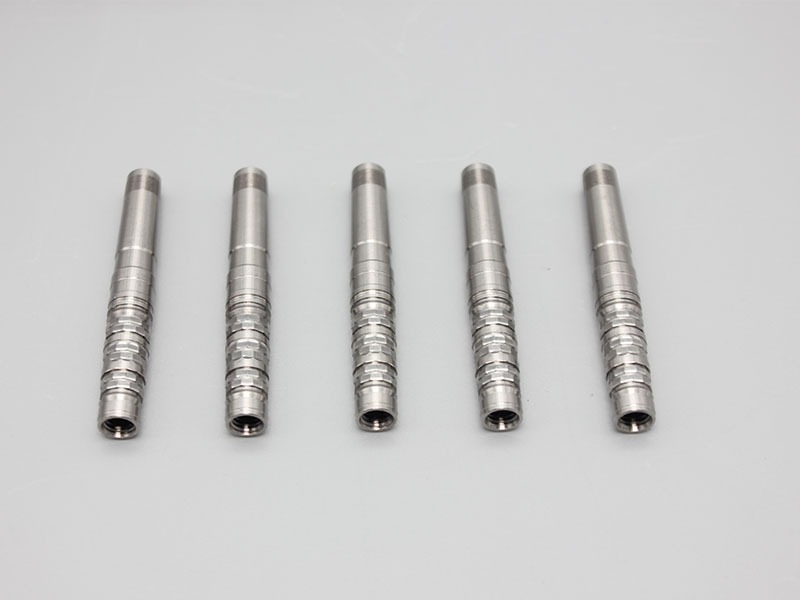
From being versatile, the how to make tungsten jigs will allow differential presentations whether bottom bouncing or fast vertical retrieves are being used. The body shape of the how to make tungsten jigs will cut through the water with ease and create very low drag. This provides a faster descent rate, while still giving the angler better contact to the bottom for species that feed closer to sediment.
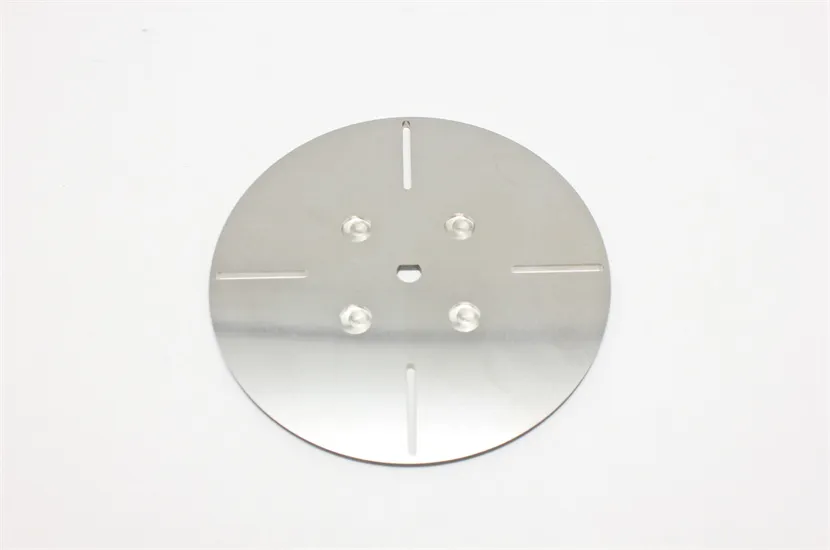
With the increasing reliance on data in fishing, how to make tungsten jigs may utilize embedded sensors to capture depth, temperature, and movement. This data can be uploaded to mobile apps, enabling anglers to review their performance and alter their methods. This will help bring fishing into the era of precision-based digital sports.
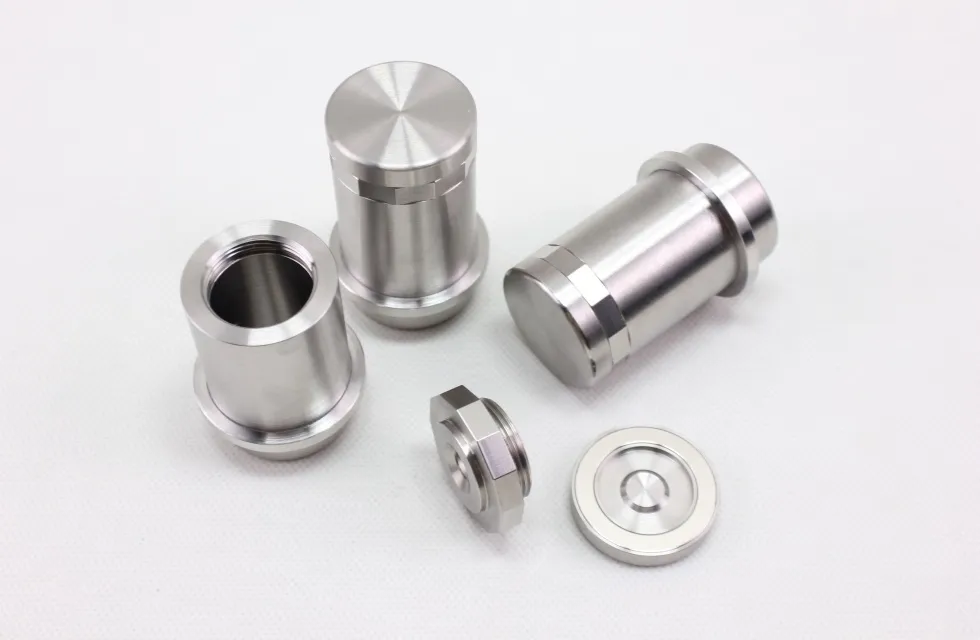
Taking care of your how to make tungsten jigs is as easy as a simple rinse. After using it, rinse it off on freshwater, and pat it down with a soft towel. Be careful of using abrasive products when cleaning, as this may damage the paint or tungsten coating. When storing, you should keep the jigs organized in a foam lined tackle box to minimize any scratches and/or abrasion, extending the use of your jigs.
For instance, the how to make tungsten jigs is widely recognized for superior density and sensitivity to bites, however light. Its compact size, together with a faster sink rate compared to traditional lead jigs, gets it to the target zone efficiently. The hardness of tungsten also ensures durability, maintaining its shape under harsh underwater conditions. The how to make tungsten jigs performs consistently in both freshwater and saltwater environments, helping fishermen with accurate presentations. Designed for species such as bass, walleye, and crappie, it has become an important component in modern fishing setups.
Q: How can I extend the lifespan of Tungsten jig? A: Rinse thoroughly after use, dry completely, and store in a cool, dry place away from sunlight. Q: What happens if Tungsten jig hits rocks often? A: Tungsten is durable and resists deformation, but check regularly for chipped paint or bent hooks. Q: Can Tungsten jig be used for trolling? A: While designed for jigging, it can also be used in light trolling under calm water conditions. Q: How does temperature affect Tungsten jig? A: Tungsten’s density keeps its performance stable, ensuring consistent sink rates in all water temperatures. Q: What type of rod pairs best with Tungsten jig? A: A medium to fast-action rod provides excellent sensitivity and control when using Tungsten jig.
The Tungsten heavy alloy provides solid consistency in production; every piece meets our exact requirements.
The Tungsten heavy alloy handles extreme pressure and heat better than most metals I’ve used.
To protect the privacy of our buyers, only public service email domains like Gmail, Yahoo, and MSN will be displayed. Additionally, only a limited portion of the inquiry content will be shown.
We operate a fishing tackle store and want to stock tungsten jig. Please send details on bulk pricin...
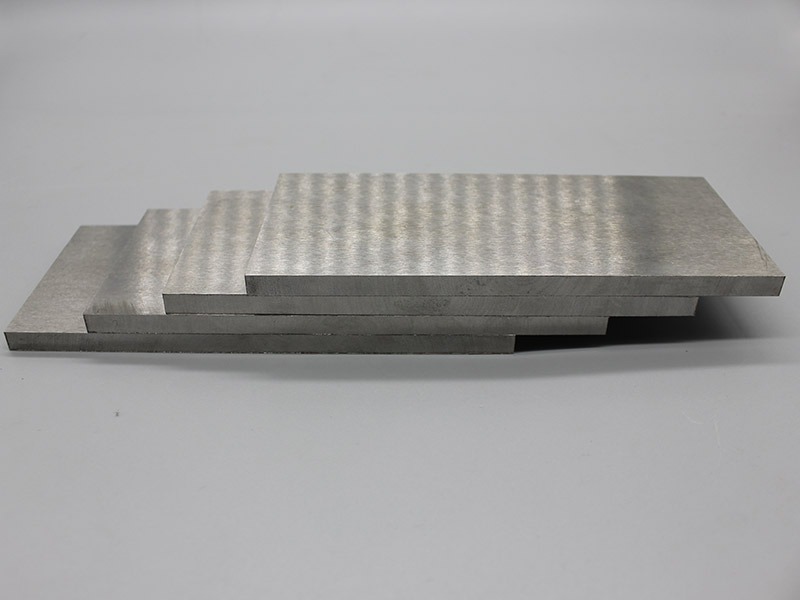
We are a machining parts supplier seeking tungsten heavy alloy rods for precision components. Kindly...
Copyright © Zhuzhou Jiuding Metal Technology Co., Ltd. All Rights Reserved
 EN
 AR
 FR
 DE
 HI
 IT
 JA
 KO
 PT
 RU
 ES
 ID
 LV
 VI
 HU
 MS
 GA
 BE
 YI
 EU