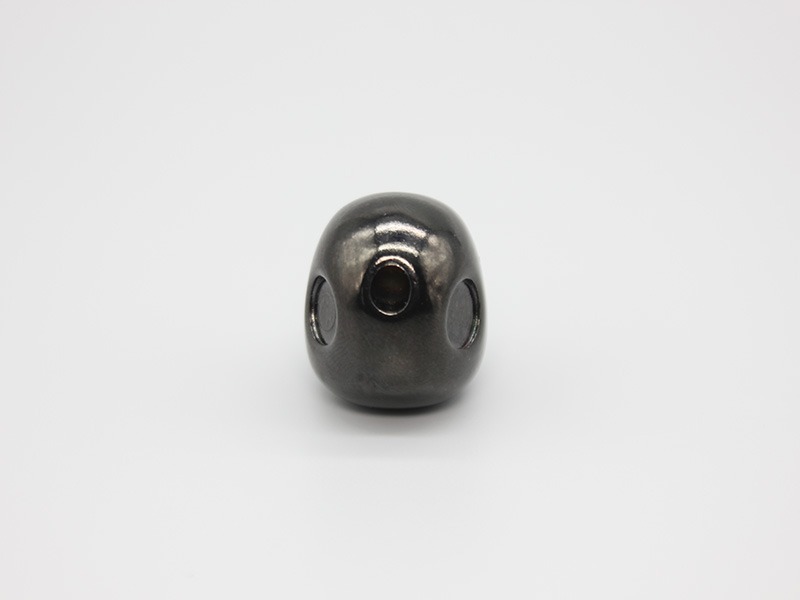
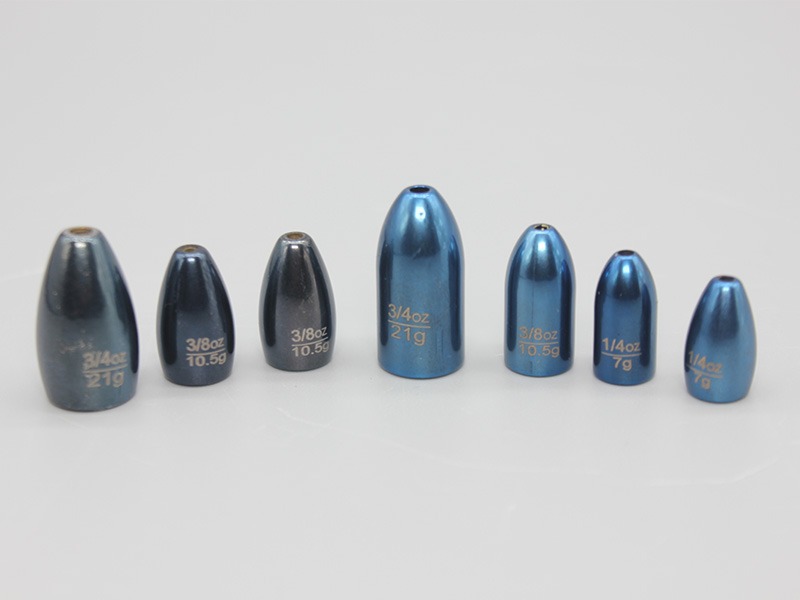
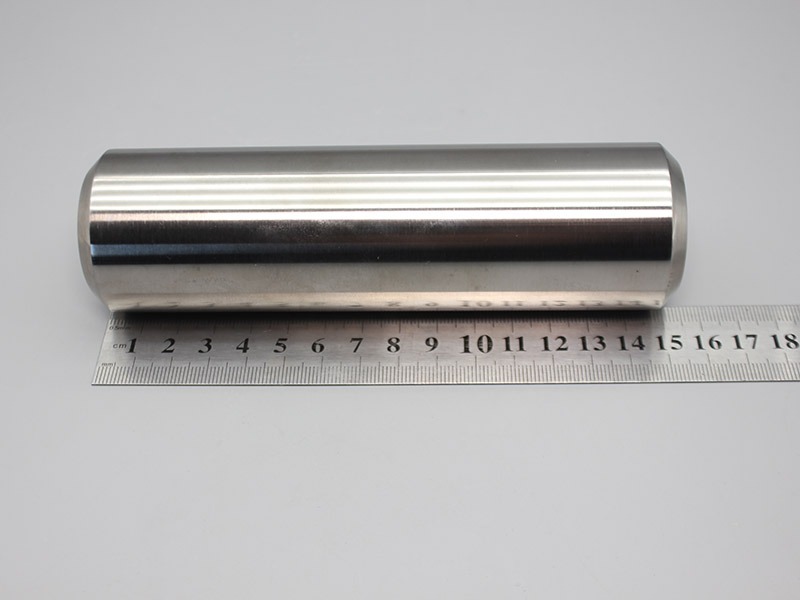
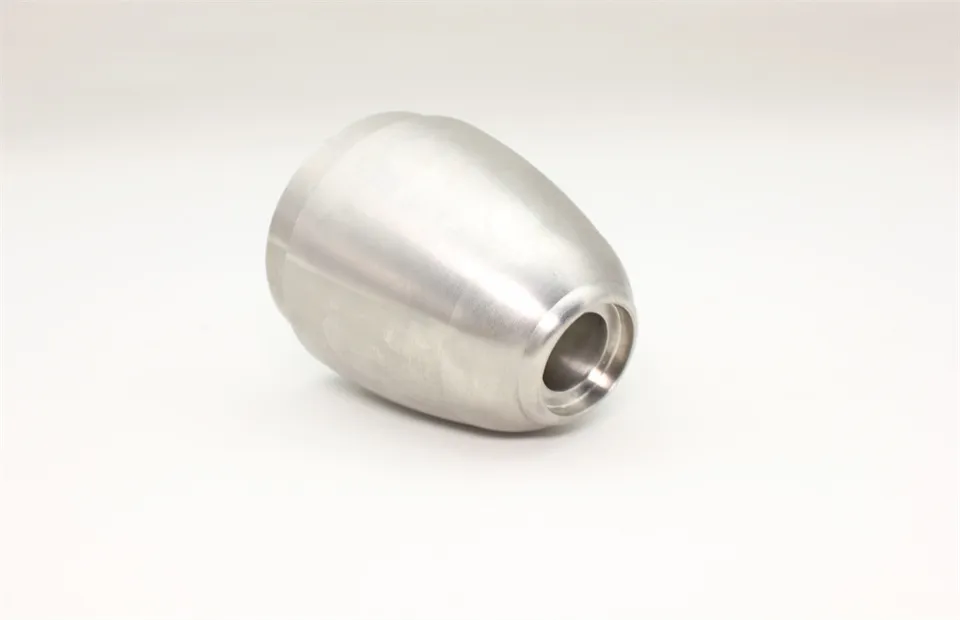
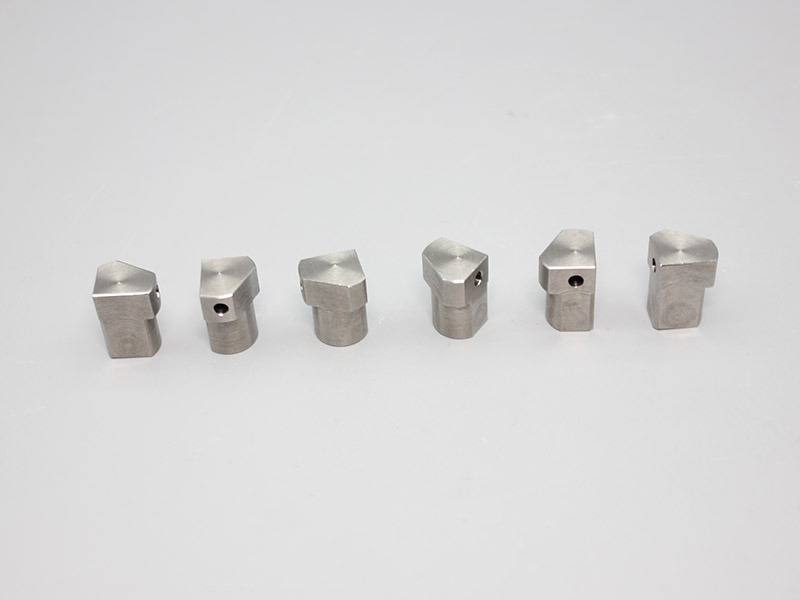
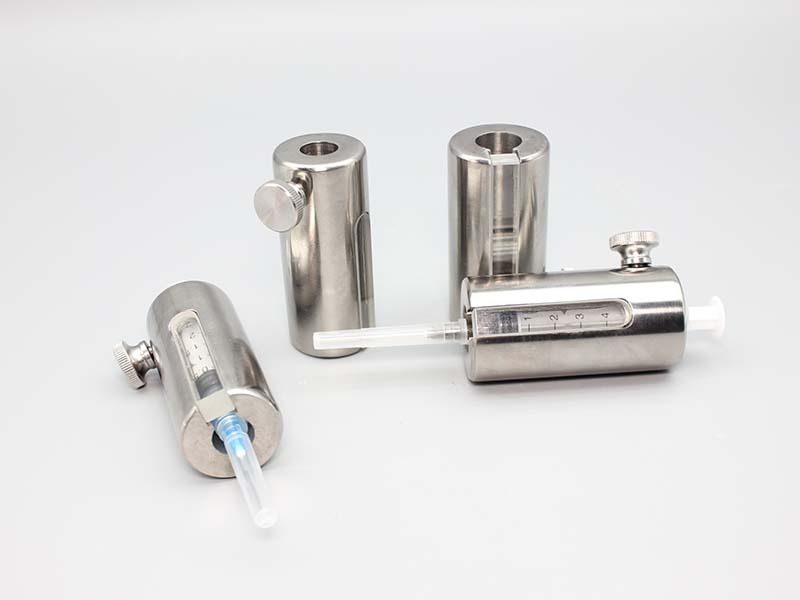
mill heavy tungsten alloy offers an amazing density producing effective performance in various mechanical and radiation contexts. It is commonly converted to use in producing compact counterbalances, for impact tools, and for barriers against gamma rays. The alloy's microstructural stability when under heat and compression makes it a go-to for defense and energy generation contexts. Lastly, it boasts long-term ability to reduce wear that can inhibit mechanical efficiency.
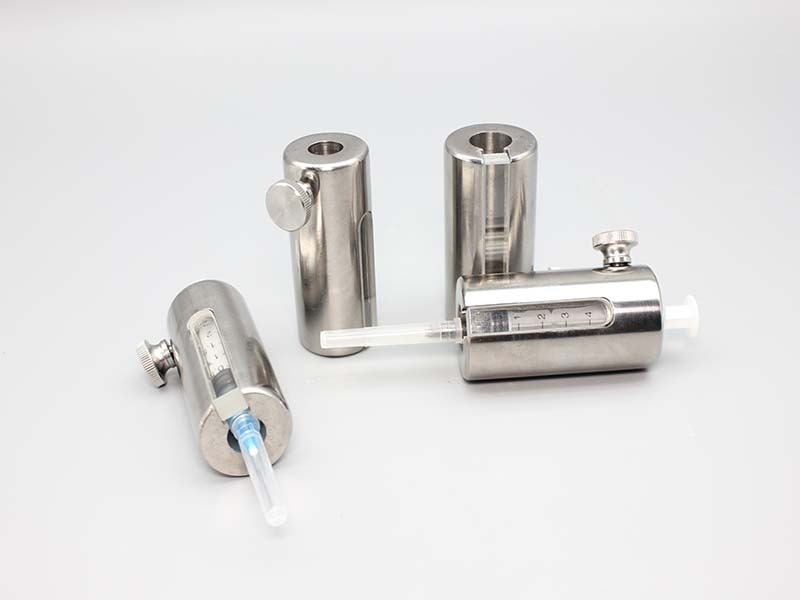
mill heavy tungsten alloy is growing in use in the automotive industry as precautions in crankshaft balancing, as a damping element, and for high-performance racing components. Its dense design allows for precise control of oscillatory rotational forces to enhance vehicle stability and overall engine efficiency. The material's durability in high-temperature and stress environments serves to maximize operational performance over the lifespan of the engine.
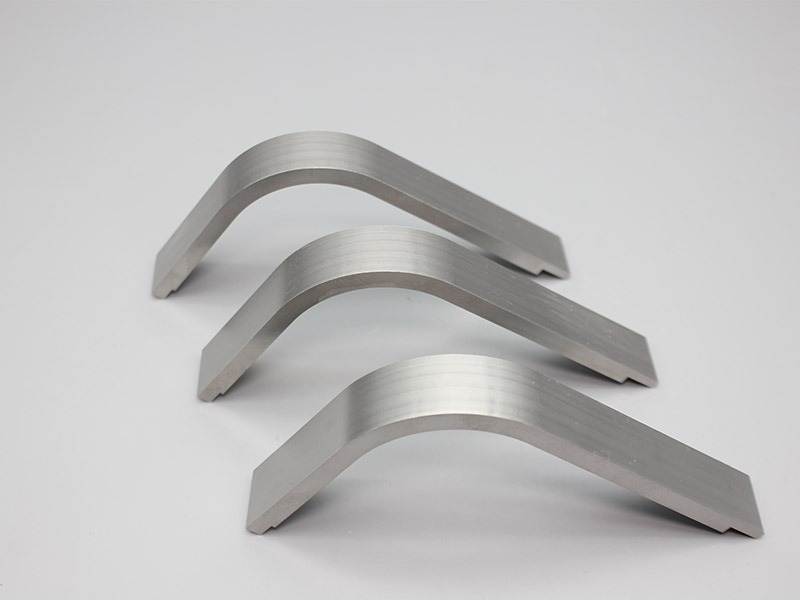
In the future, mill heavy tungsten alloy will find applications that include AI-assisted design, where automated manufacturing will provide precise customization, desirable for aerospace, robotics, and medical devices. It will be a valuable component in systems that depend on especially consistent performance in severe thermal and mechanical conditions.
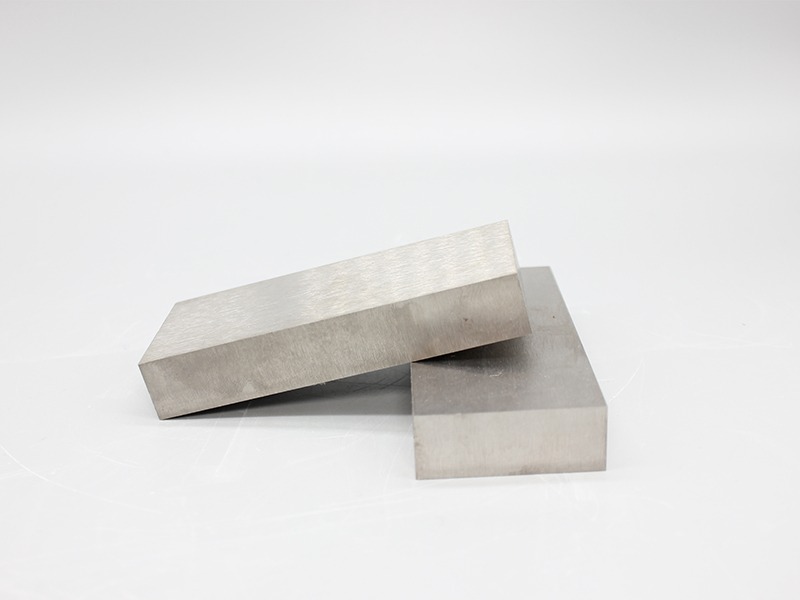
After each operational activity, mill heavy tungsten alloy must be cleaned and thoroughly dried. Application of a thin film of oil will help enhance corrosion resistance. Store in locations away from the sun and chemicals that promote corrosion, in order to maintain observable mechanical properties and original density characteristics of the mill heavy tungsten alloy.
mill heavy tungsten alloy is specifically designed for applications where there is mass that needs to fit into compact areas, while maintaining mechanical strength. It provides excellent wear resistance and thermal stability making it suitable for use as aerospace balancing parts or molds, and in heavy engineering equipment. The dense material will ensure that there is maximum efficiency and reliability in process.
Q: How does Tungsten heavy alloy differ from pure tungsten? A: While pure tungsten is brittle, Tungsten heavy alloy has improved ductility and strength due to the addition of metal binders like nickel or iron. Q: Why is Tungsten heavy alloy used in medical imaging devices? A: It provides excellent radiation attenuation while maintaining compactness, ensuring precision and safety in X-ray and CT applications. Q: How durable is Tungsten heavy alloy in long-term use? A: It offers excellent wear and corrosion resistance, ensuring long-lasting performance in industrial and defense systems. Q: Can Tungsten heavy alloy be welded or joined easily? A: Yes, it can be joined using brazing or mechanical methods, though proper temperature control is required to maintain structural stability. Q: What role does Tungsten heavy alloy play in the defense industry? A: It is used for armor-piercing projectiles, kinetic energy penetrators, and vibration damping in high-performance military equipment.
I’ve used the tungsten jig for months, and its weight balance makes it super easy to control even in deep spots.
The craftsmanship of the tungsten jig is excellent — it reacts quickly to every move of the rod.
To protect the privacy of our buyers, only public service email domains like Gmail, Yahoo, and MSN will be displayed. Additionally, only a limited portion of the inquiry content will be shown.
We operate a fishing tackle store and want to stock tungsten jig. Please send details on bulk pricin...
We need tungsten heavy alloy plates for counterweight applications. Please share available thickness...
Copyright © Zhuzhou Jiuding Metal Technology Co., Ltd. All Rights Reserved
 EN
EN AR
AR FR
FR DE
DE HI
HI IT
IT JA
JA KO
KO PT
PT RU
RU ES
ES ID
ID LV
LV VI
VI HU
HU MS
MS GA
GA BE
BE YI
YI EU
EU