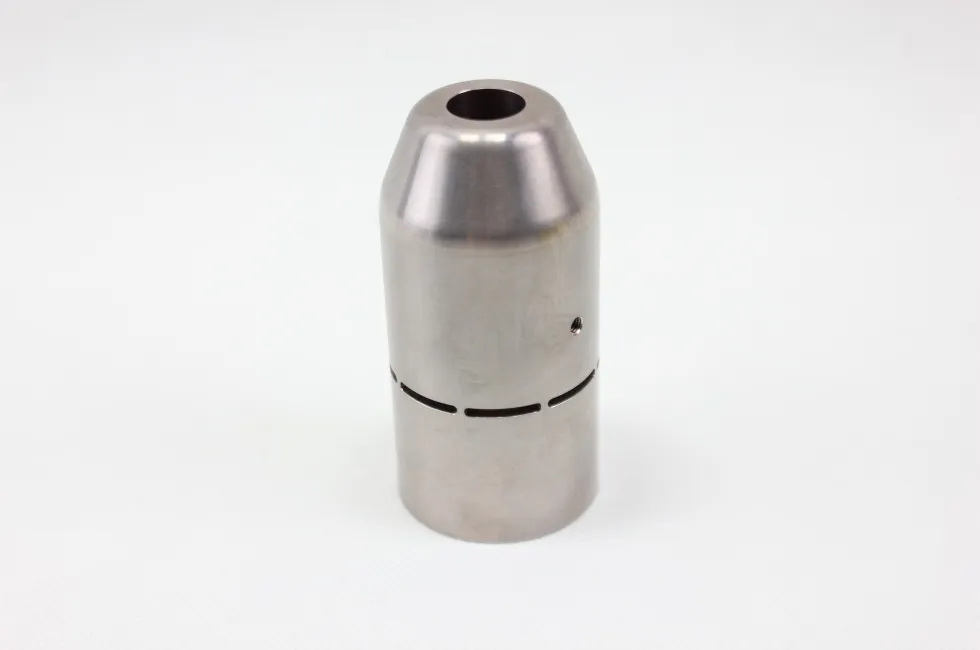
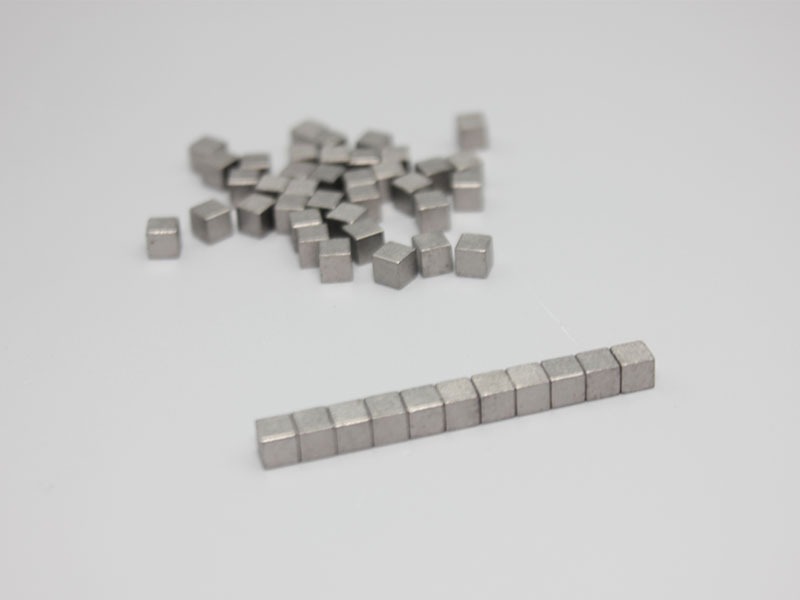
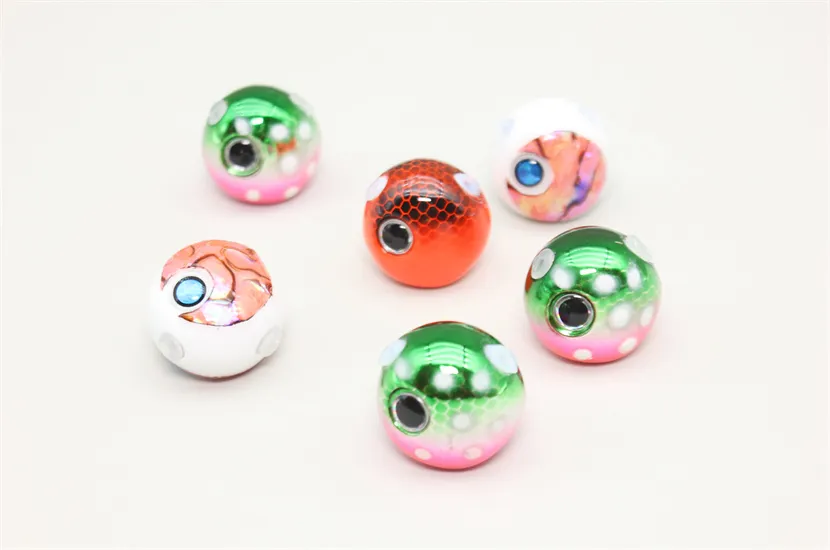
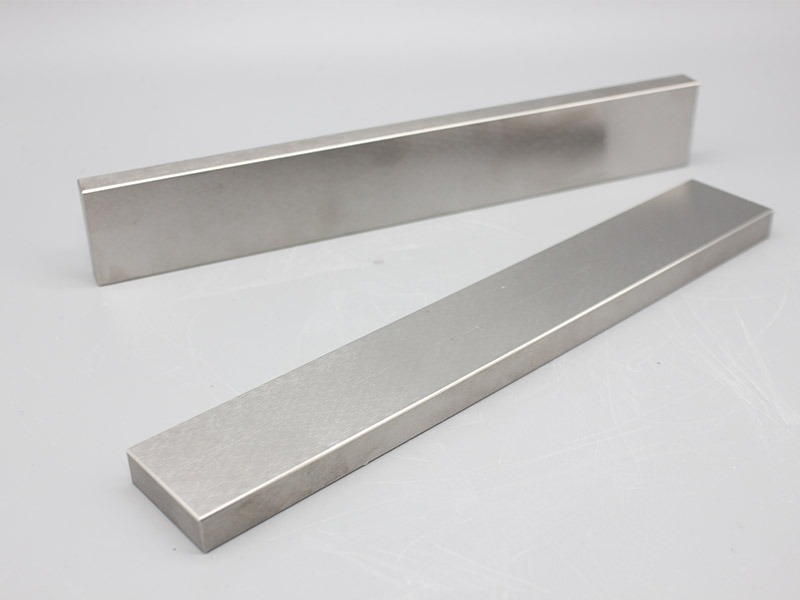
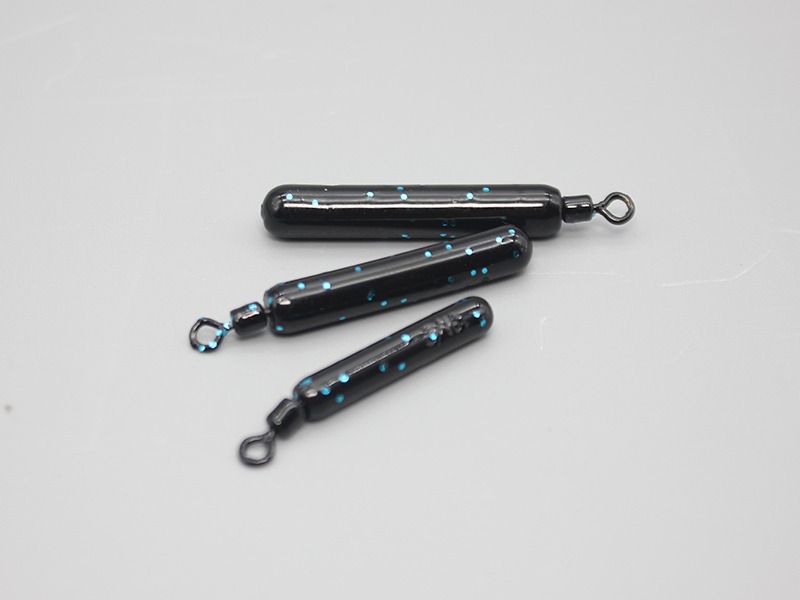
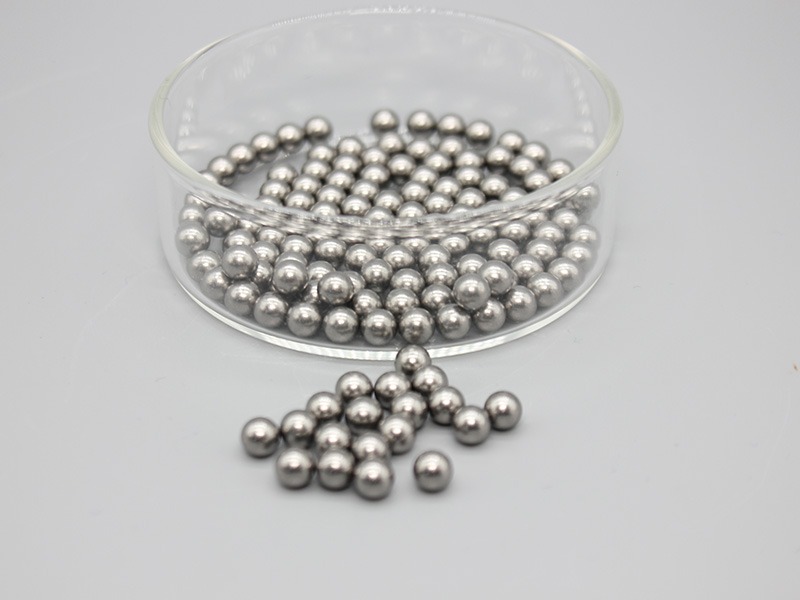
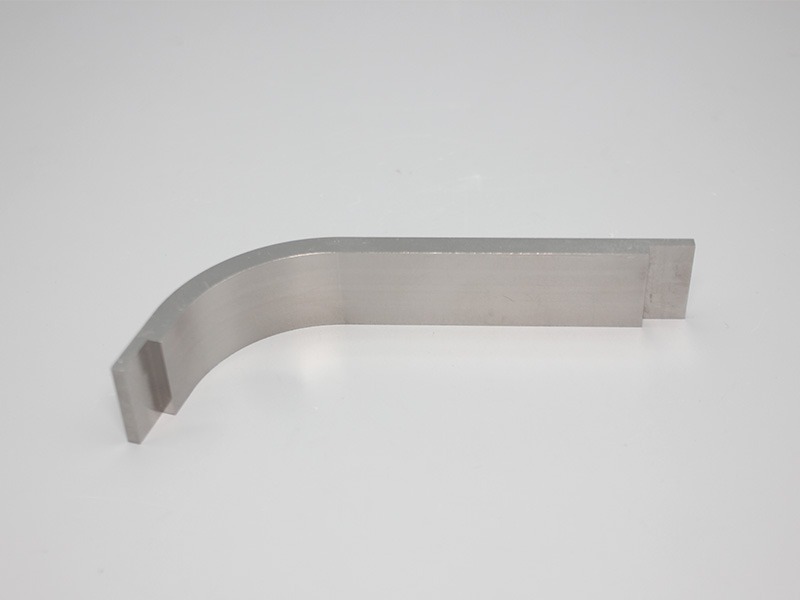
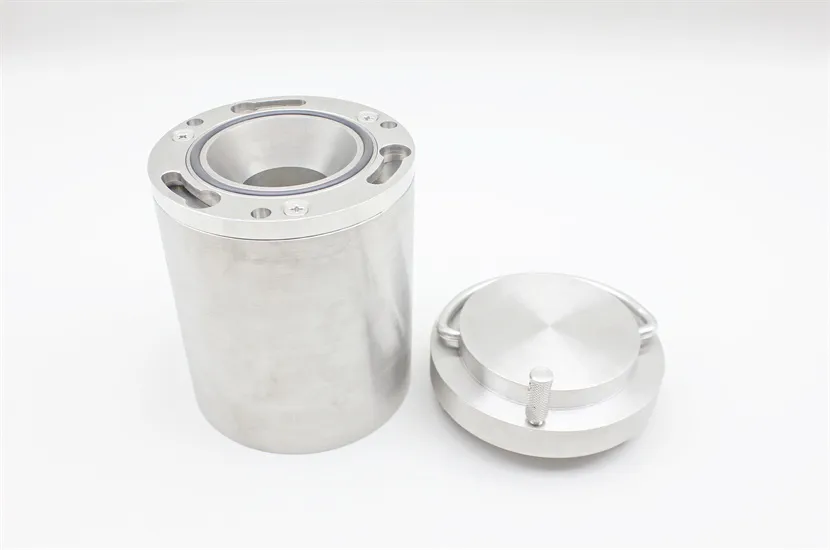
The tungsten bladed jig is unique in its compact build and well-balanced design. Its tungsten body enables smaller profiles for the same weight, promoting quicker drop and better line contact. The jig's accurate center of gravity stabilizes it, making it easier for anglers to stay in control during shifting currents. The tungsten bladed jig also minimizes its effect on the environment with zero lead content, providing strength, durability, and sustainability in a single small lure.
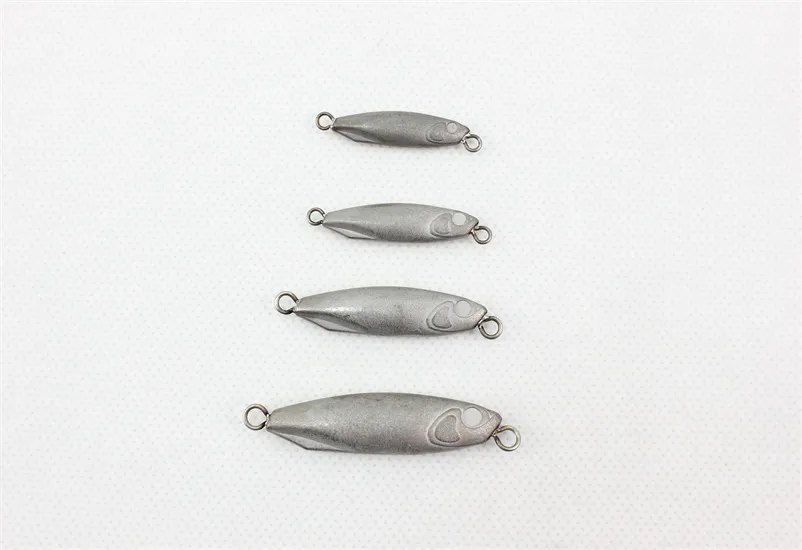
The tungsten bladed jig is commonly used in ice fishing, where both precision and fast sinking is paramount. Its tungsten body is denser than other materials, allowing anglers to quickly access deep water zones, along with also offering the ability to have complete control of their lures in heavy currents. Whether you are targeting perch, crappie, or trout, this jig provides reliable performance regardless of the depth. The compact design of the jig, and the way it falls naturally, creates a perfect fall rate for enticing bites from red-fin on cold or clear bodies of water.
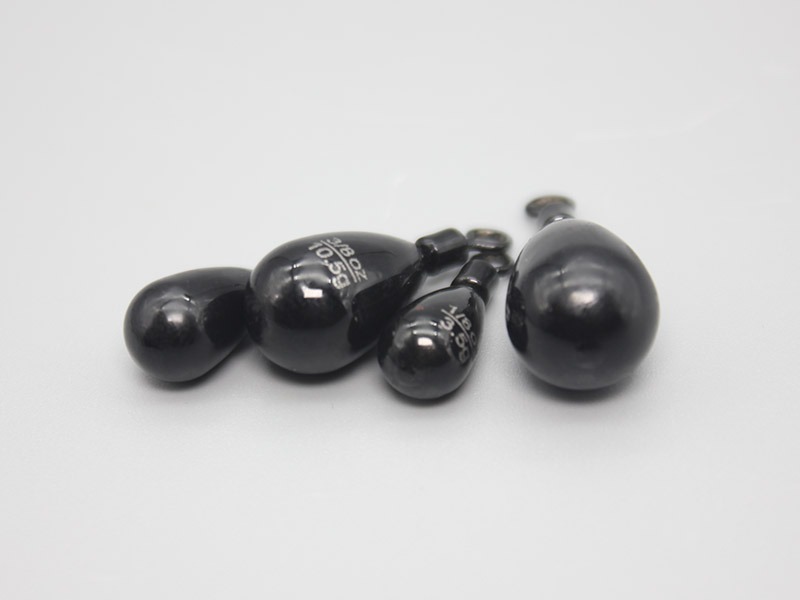
In the tungsten bladed jig space, we will also see composite materials, possibly incorporating tungsten and lighter metals, which will offer more precise balance and fall rates with improved action. The continuous improvement of design software will allow manufacturers to maintain consistency in production.
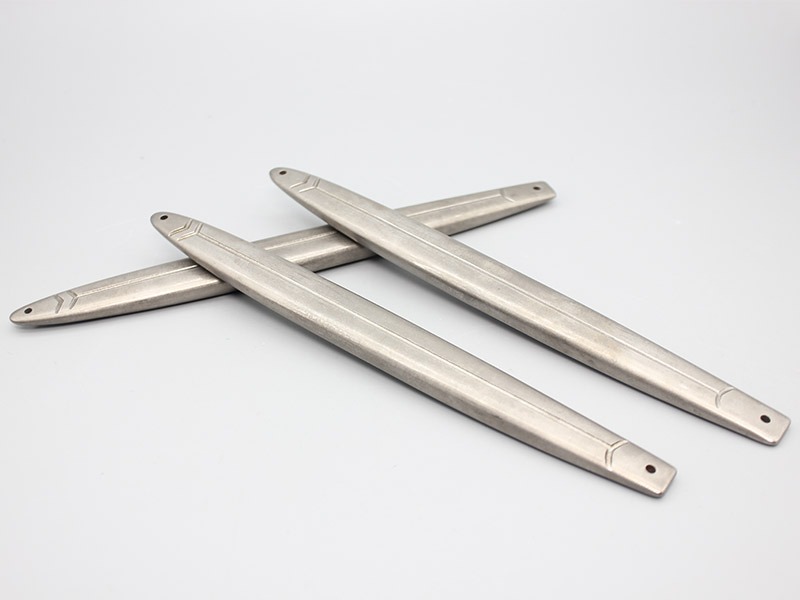
You should maintain tungsten bladed jig in a pristine manner; in particular, always clean it after fishing in both saltwater and dirty environments. Use a soft brush to clean dirt from small nooks and crannies. Never store the jig while wet because moisture can ruin the hook finish. Periodically lubricating moving metal parts is a good idea to ensure they will work properly for a long time AND to reduce oxidation.
For instance, the tungsten bladed jig is widely recognized for superior density and sensitivity to bites, however light. Its compact size, together with a faster sink rate compared to traditional lead jigs, gets it to the target zone efficiently. The hardness of tungsten also ensures durability, maintaining its shape under harsh underwater conditions. The tungsten bladed jig performs consistently in both freshwater and saltwater environments, helping fishermen with accurate presentations. Designed for species such as bass, walleye, and crappie, it has become an important component in modern fishing setups.
Q: Why is tungsten used in Tungsten jig? A: Tungsten’s high density improves sensitivity, allowing anglers to detect subtle bites and maintain better bottom contact. Q: How long can Tungsten jig last with proper care? A: With regular cleaning and safe storage, Tungsten jig can perform consistently for many fishing seasons. Q: What species are commonly targeted with Tungsten jig? A: It’s effective for trout, perch, crappie, bass, and even saltwater predators due to its versatility. Q: Can Tungsten jig be used with soft bait attachments? A: Yes, combining it with soft plastics enhances movement and makes the lure more lifelike. Q: How does Tungsten jig improve fishing accuracy? A: The tungsten weight allows faster descent and better depth control in varying water currents.
I appreciate that Tungsten heavy alloy is non-toxic yet just as heavy and stable as lead — a smart upgrade.
I’ve used the tungsten jig for months, and its weight balance makes it super easy to control even in deep spots.
To protect the privacy of our buyers, only public service email domains like Gmail, Yahoo, and MSN will be displayed. Additionally, only a limited portion of the inquiry content will be shown.
Could you provide info about your heavy-duty tungsten jig types suitable for deep-sea fishing? Looki...
We are a machining parts supplier seeking tungsten heavy alloy rods for precision components. Kindly...
Copyright © Zhuzhou Jiuding Metal Technology Co., Ltd. All Rights Reserved
 EN
 AR
 FR
 DE
 HI
 IT
 JA
 KO
 PT
 RU
 ES
 ID
 LV
 VI
 HU
 MS
 GA
 BE
 YI
 EU