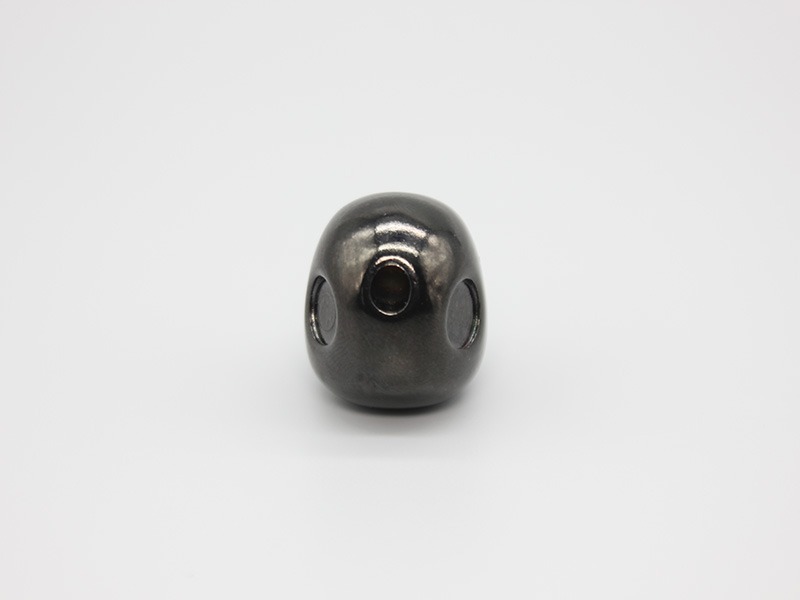
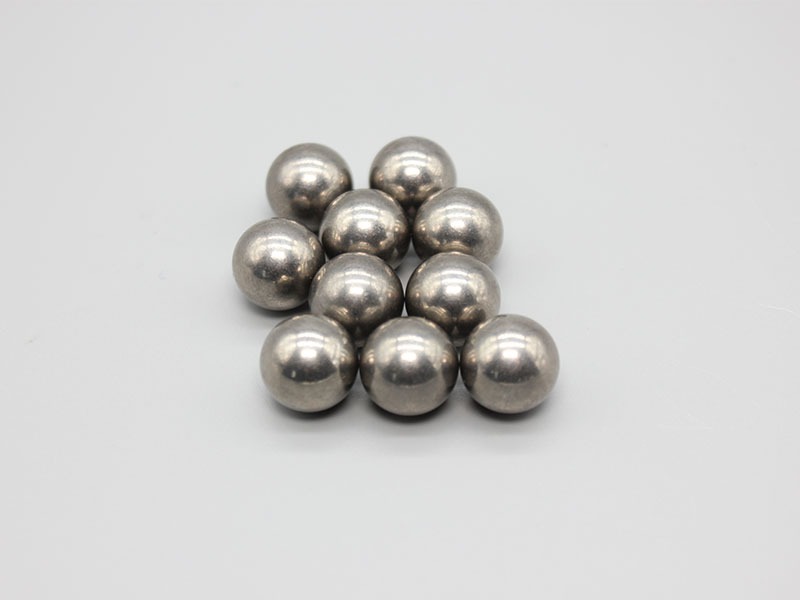
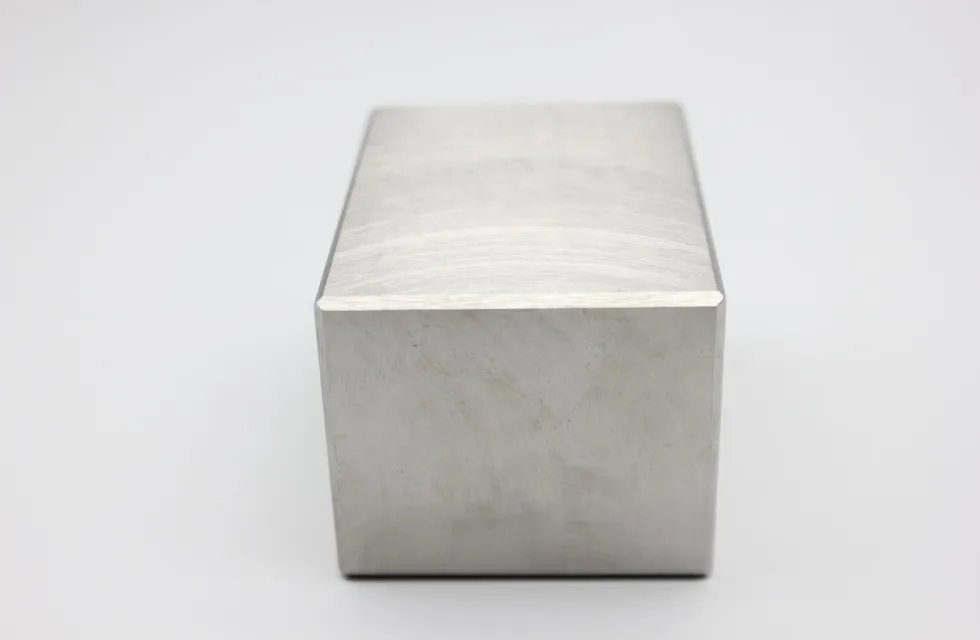
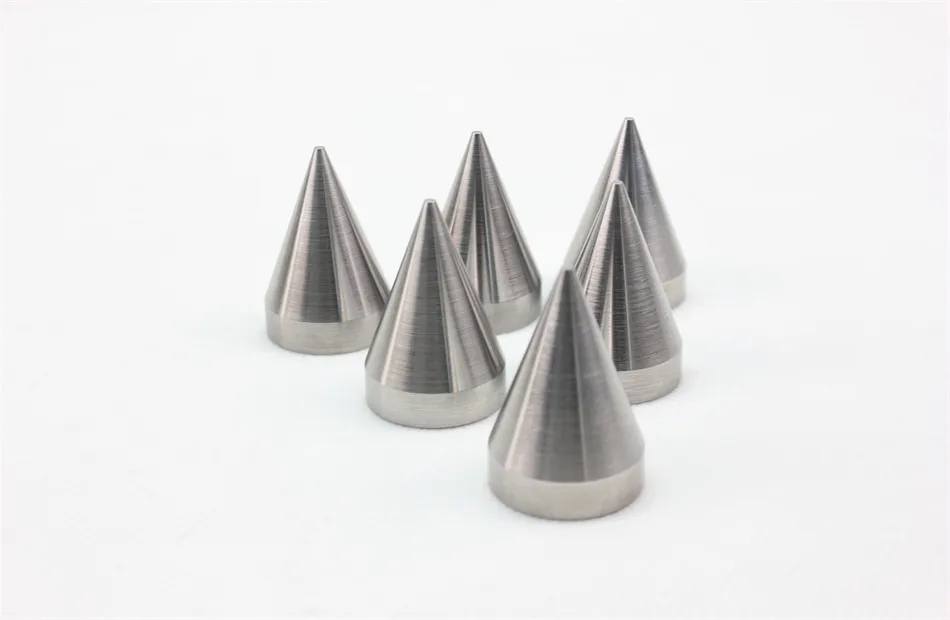
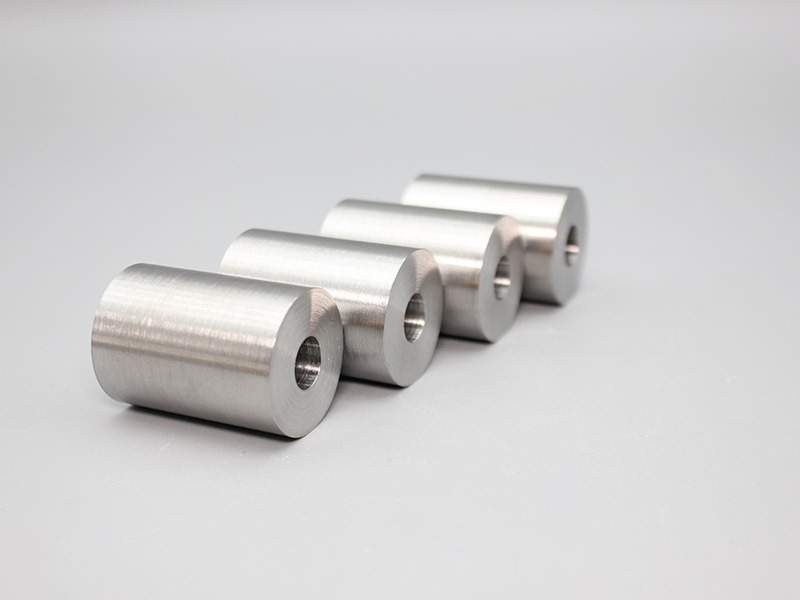
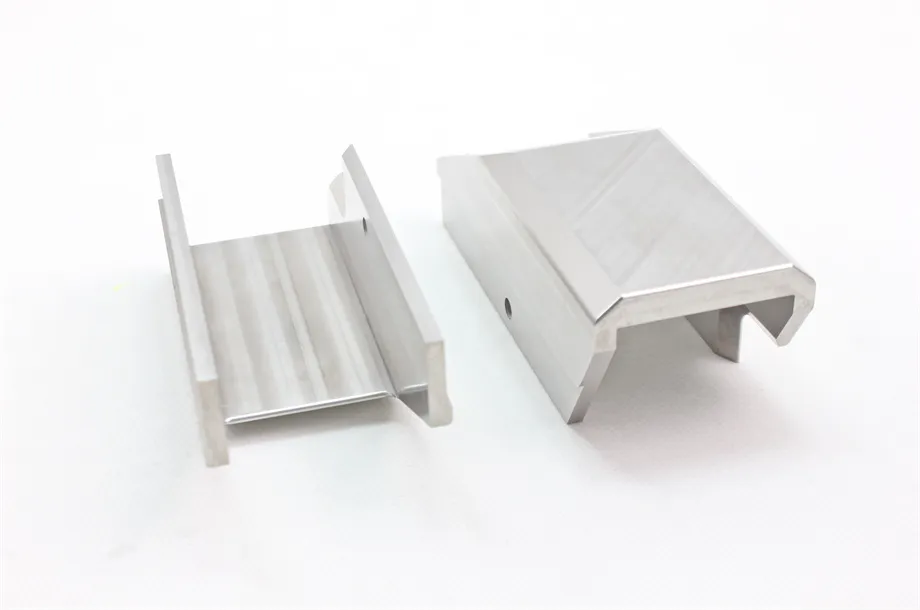
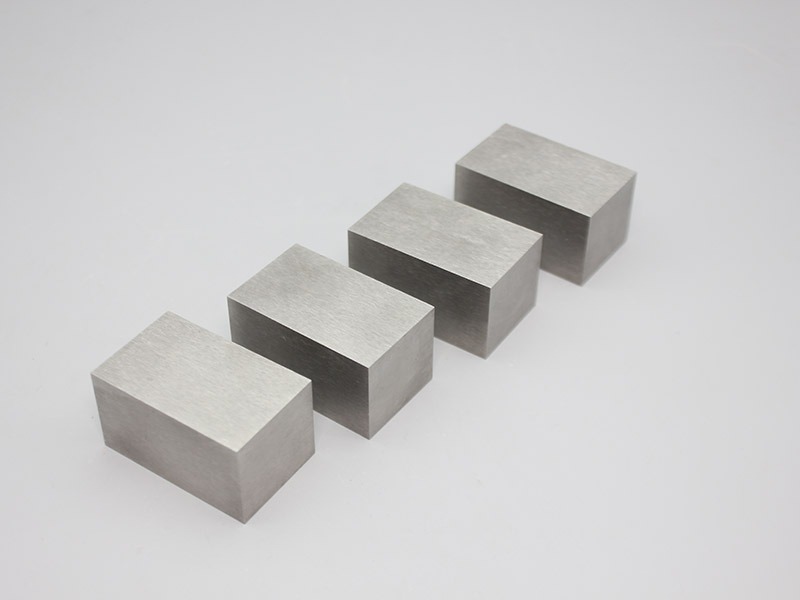
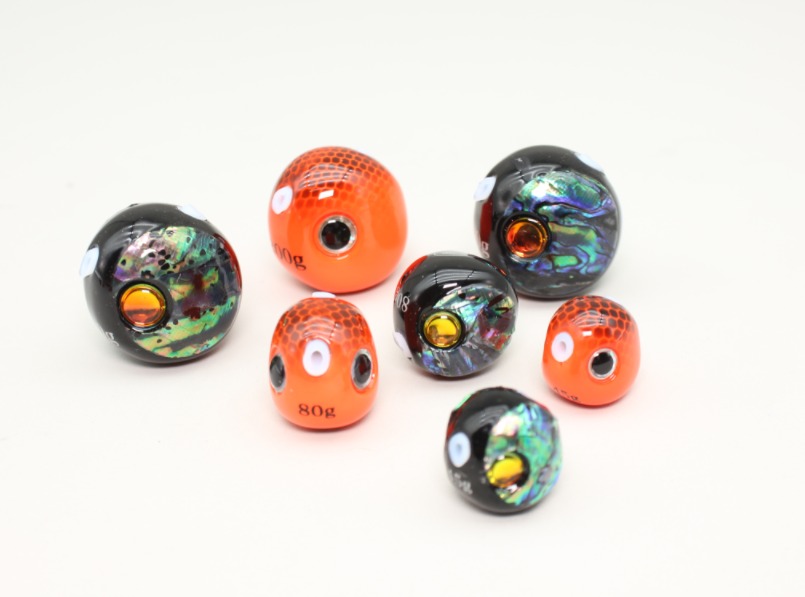
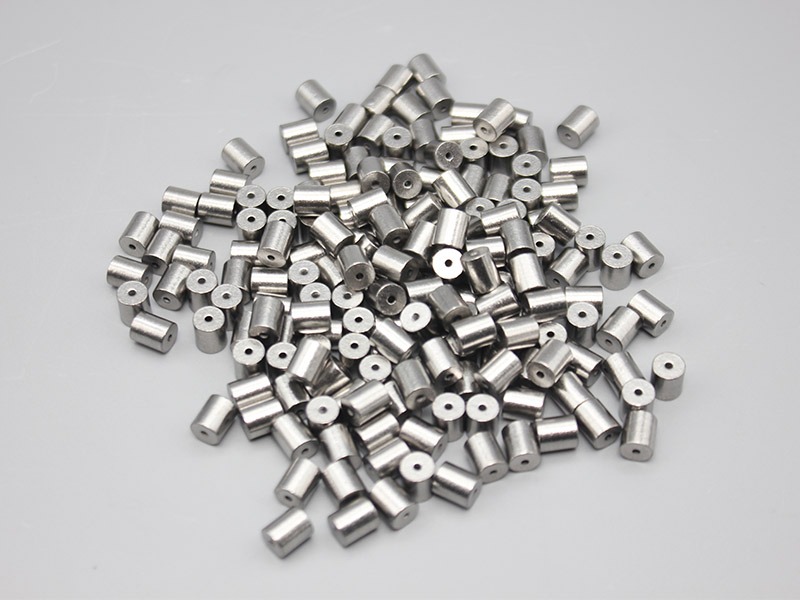
The quality of tungsten heavy alloy materials is not just versatile; it is also strong and dense at the same time, which enables it to be efficiently used in small spaces. Its production involves merging tungsten with either nickel and iron or copper, resulting in a material that is rugged as well as easy to machine. This alloy possesses all the necessary features required in aerospace, defense, and power generation industries. Its precise weight distribution properties additionally open up the manufacture of counterweights, radiation shields, and high-impact tools that require constantly dependable quality.
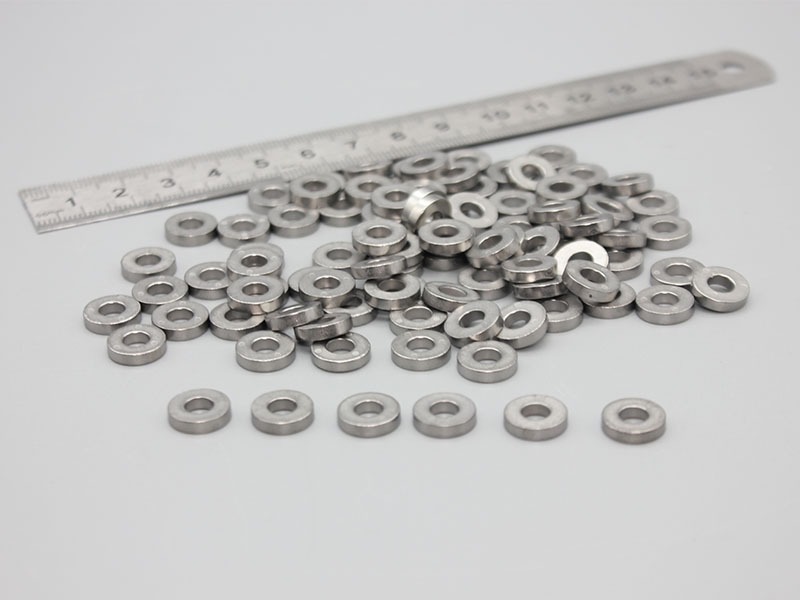
tungsten heavy alloy materials is growing in use in the automotive industry as precautions in crankshaft balancing, as a damping element, and for high-performance racing components. Its dense design allows for precise control of oscillatory rotational forces to enhance vehicle stability and overall engine efficiency. The material's durability in high-temperature and stress environments serves to maximize operational performance over the lifespan of the engine.
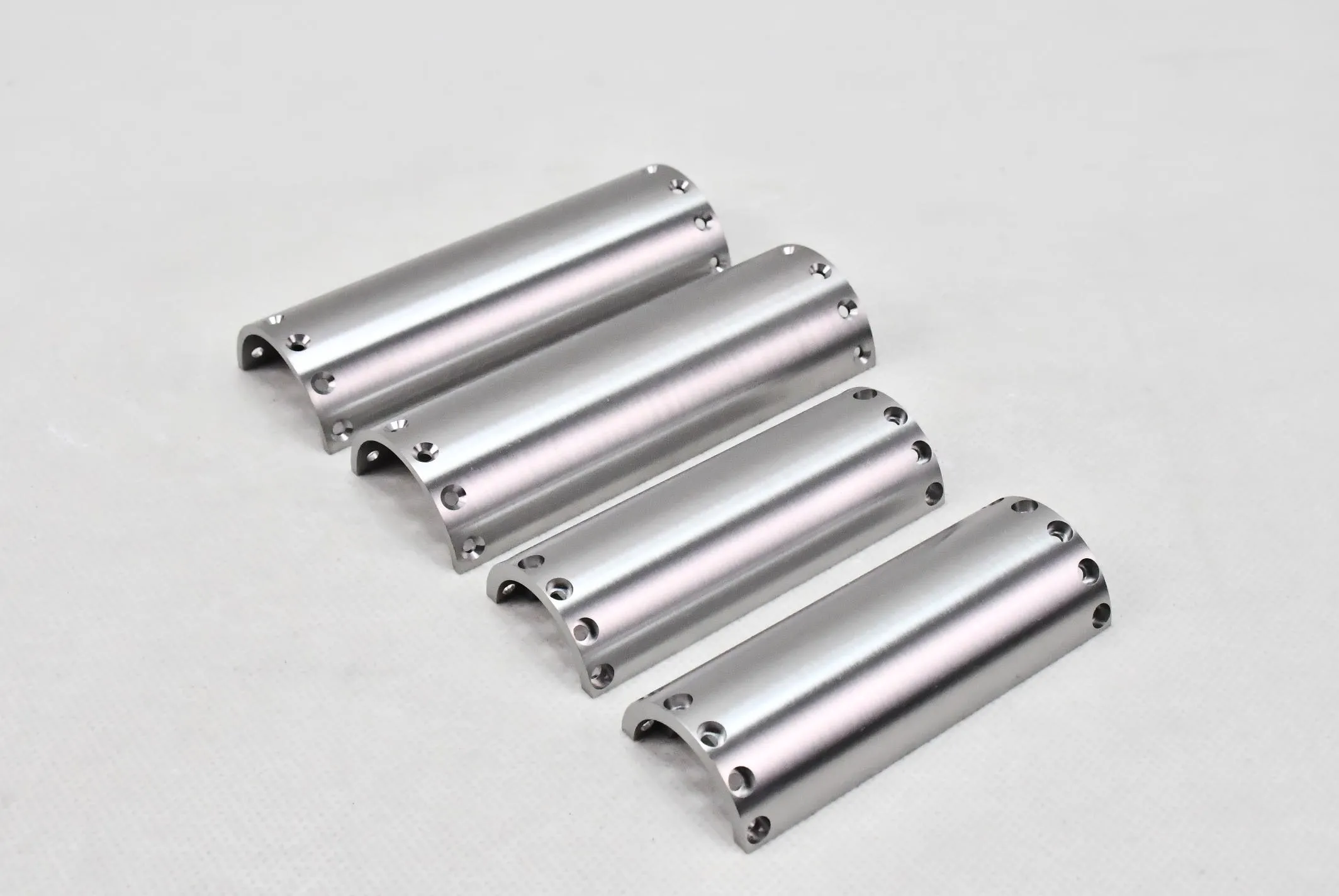
In the following years expect a confluence of tungsten heavy alloy materials with advanced composites for hybrid engineered materials. The hybrids will provide flexibility, corrosion resistance and weight reduction benefits. In addition, as industries look for stable and energy absorbing materials, the role of alloy in electric mobility and autonomous vehicles will grow.
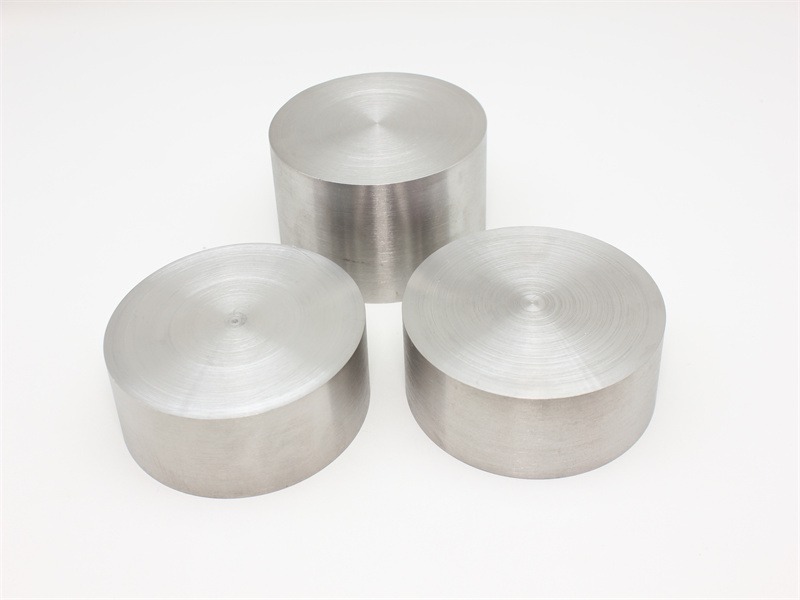
Good maintenance of tungsten heavy alloy materials ensures durable performance in extreme conditions. Periodically inspect mechanical joint and contact areas to detect early wear. In instances when oxidation has formed, buff the appearace with a mild abrasive pad. You can expect the oxidation to lose its unwanted appearance, but the performance of the tungsten heavy alloy materials will not be adversely affected.
tungsten heavy alloy materials is a high-density material that is used in the aerospace, defense, and industrial sectors. Its strength, hardness, and wear resistance make it usable in environments where durability is needed and where weight distribution is compact. tungsten heavy alloy materials offers excellent radiation shielding and thermal stability and continues to perform in high-temperature and high-stress situations.
Q: How does Tungsten heavy alloy differ from pure tungsten? A: While pure tungsten is brittle, Tungsten heavy alloy has improved ductility and strength due to the addition of metal binders like nickel or iron. Q: Why is Tungsten heavy alloy used in medical imaging devices? A: It provides excellent radiation attenuation while maintaining compactness, ensuring precision and safety in X-ray and CT applications. Q: How durable is Tungsten heavy alloy in long-term use? A: It offers excellent wear and corrosion resistance, ensuring long-lasting performance in industrial and defense systems. Q: Can Tungsten heavy alloy be welded or joined easily? A: Yes, it can be joined using brazing or mechanical methods, though proper temperature control is required to maintain structural stability. Q: What role does Tungsten heavy alloy play in the defense industry? A: It is used for armor-piercing projectiles, kinetic energy penetrators, and vibration damping in high-performance military equipment.
The Tungsten heavy alloy handles extreme pressure and heat better than most metals I’ve used.
I’ve used the tungsten jig for months, and its weight balance makes it super easy to control even in deep spots.
To protect the privacy of our buyers, only public service email domains like Gmail, Yahoo, and MSN will be displayed. Additionally, only a limited portion of the inquiry content will be shown.
We need tungsten heavy alloy plates for counterweight applications. Please share available thickness...
Our aerospace division is sourcing tungsten heavy alloy counterweights. Please confirm density, tole...
Copyright © Zhuzhou Jiuding Metal Technology Co., Ltd. All Rights Reserved
 EN
EN AR
AR FR
FR DE
DE HI
HI IT
IT JA
JA KO
KO PT
PT RU
RU ES
ES ID
ID LV
LV VI
VI HU
HU MS
MS GA
GA BE
BE YI
YI EU
EU