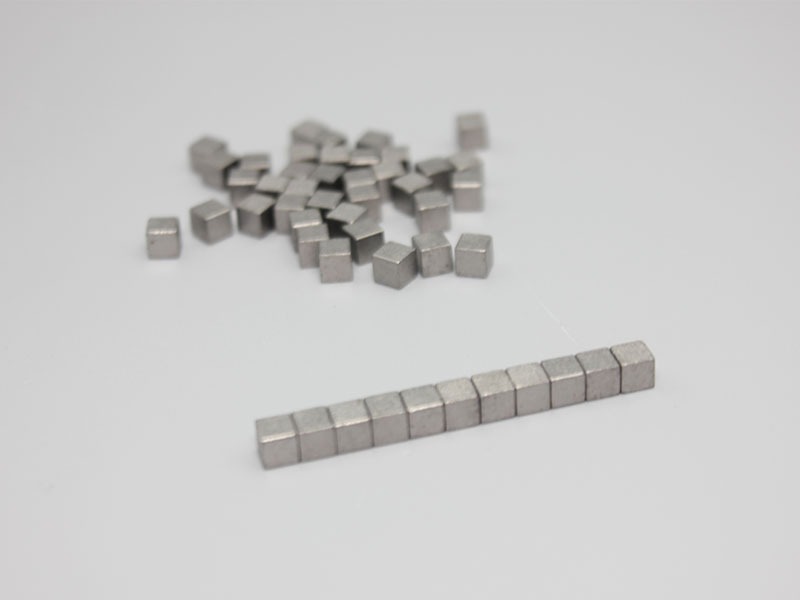
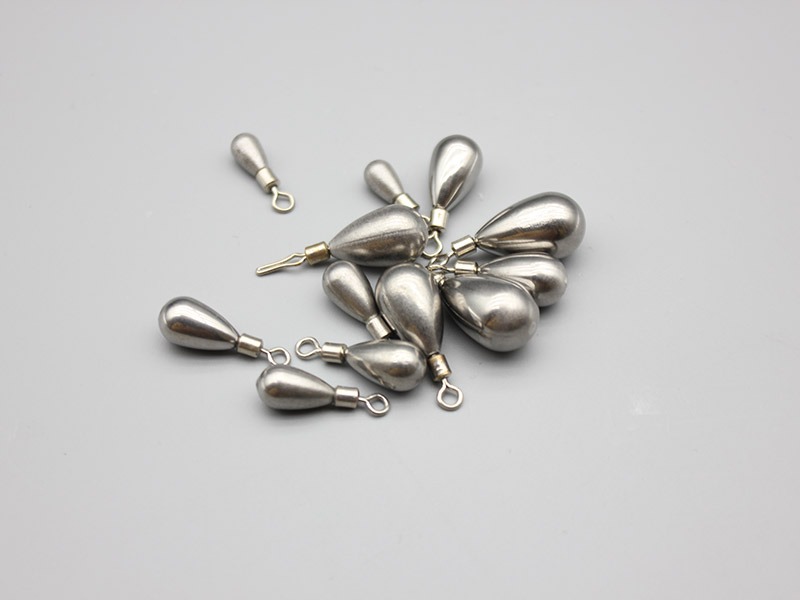
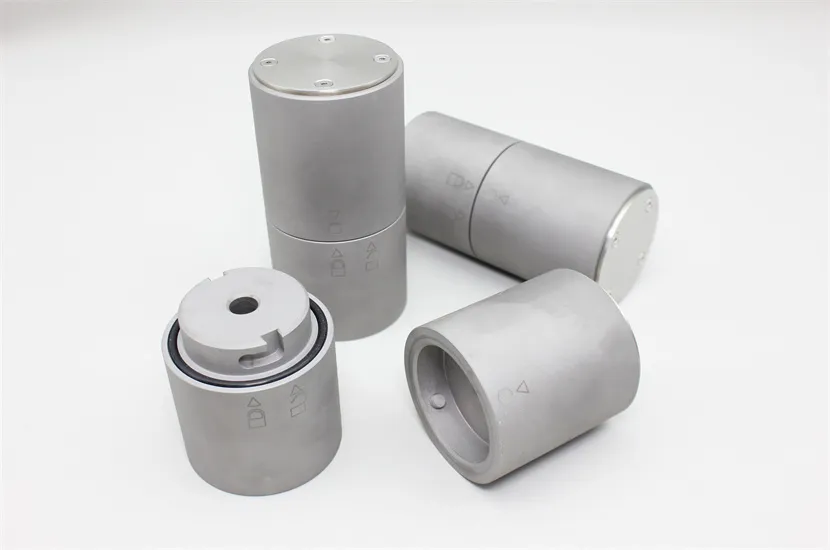
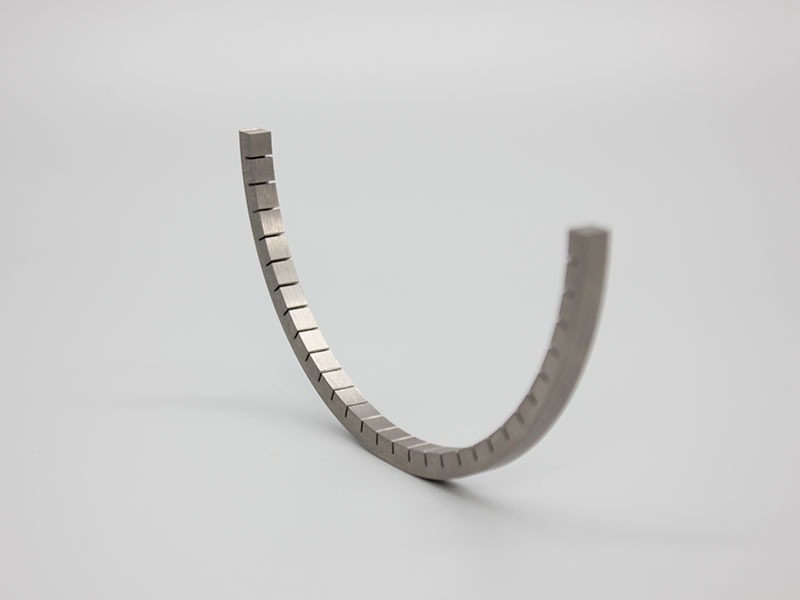
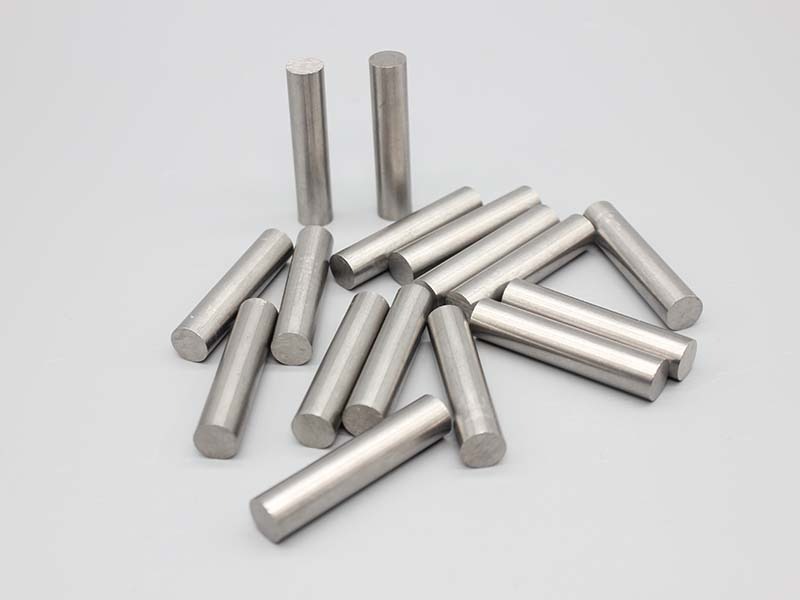
The quality of tungsten heavy alloy tube is not just versatile; it is also strong and dense at the same time, which enables it to be efficiently used in small spaces. Its production involves merging tungsten with either nickel and iron or copper, resulting in a material that is rugged as well as easy to machine. This alloy possesses all the necessary features required in aerospace, defense, and power generation industries. Its precise weight distribution properties additionally open up the manufacture of counterweights, radiation shields, and high-impact tools that require constantly dependable quality.

The use of tungsten heavy alloy tube covers industries that require high strength-to-weight ratios and structural integrity. In aerospace engineering, it is found in counterweights for aircraft, balancing rotors, and control surfaces, where tolerance is important. The defense industry employs tungsten heavy alloy tube in armor-piercing projectiles and for kinetic energy components, due to its high mass density and ability to withstand impact. Additionally, it serves oil drilling and heavy machinery applications for precision machining and stability under extreme vibration.

Accelerating technological miniaturization will ensure tungsten heavy alloy tube have a primary role in creating small, high-precision components. Its thermal management capability will allow micro-electronic devices, and its dependability will grant advantages to industries like robotics, aerospace, and defense; all of which are concerned with extreme accuracy.
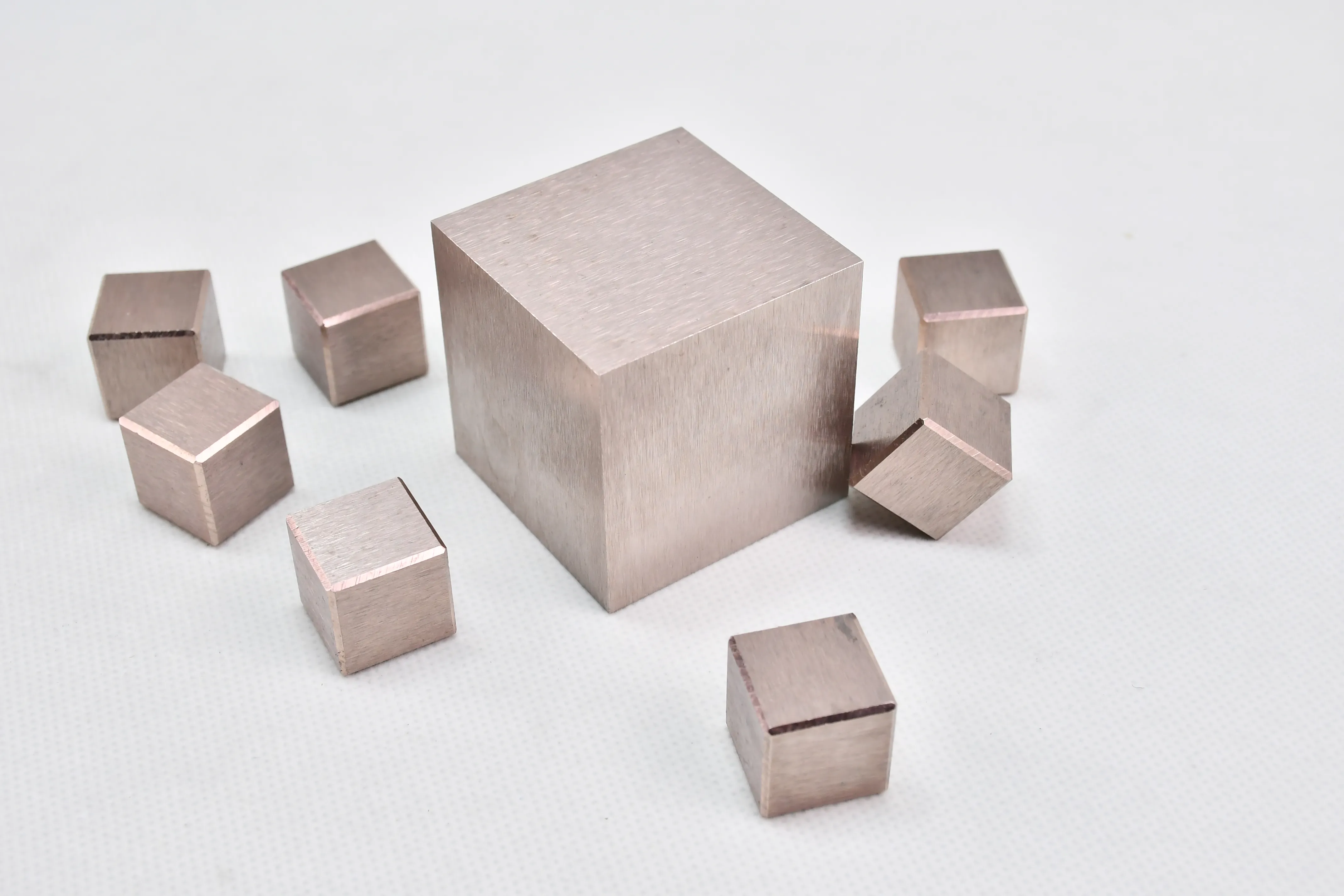
To maintain the functional characteristics of tungsten heavy alloy tube, it is recommended that a periodic inspection for surface wear or deformation be carried out. Non-corrosive solvents work well for cleaning surfaces and maintaining smooth surfaces with appropriate care and function. Contact with strong acids and strong alkalis should be avoided, as these can attack the alloy's protective finish.
Due to its moderately high melting point combined with toughness, tungsten heavy alloy tube performs well under extreme conditions. Commonly it has uses in radiation shielding, medical devices, and military hardware. The strength and stability provided from tungsten heavy alloy tube make it an obvious choice for precision applications.
Q: What makes Tungsten heavy alloy essential in engineering applications? A: Tungsten heavy alloy is essential because of its exceptional density, hardness, and thermal stability, making it reliable for use in high-performance mechanical and structural components. Q: How is Tungsten heavy alloy produced? A: It is made through powder metallurgy, where tungsten powder is blended with nickel, iron, or copper and sintered at high temperatures to form a compact, durable alloy. Q: Why is Tungsten heavy alloy suitable for aerospace industries? A: Its superior weight distribution and resistance to thermal stress make it perfect for use in counterbalances, rotor systems, and aircraft control components. Q: Can Tungsten heavy alloy be machined easily? A: While it is very dense and hard, it can be precisely machined using specialized tools designed for high-strength materials. Q: In which fields is Tungsten heavy alloy commonly applied? A: It is widely used in defense, medical imaging, oil drilling, aerospace, and industrial balancing systems.
I’ve used the tungsten jig for months, and its weight balance makes it super easy to control even in deep spots.
The Tungsten heavy alloy has impressive density and strength — it’s perfect for high-performance machinery.
To protect the privacy of our buyers, only public service email domains like Gmail, Yahoo, and MSN will be displayed. Additionally, only a limited portion of the inquiry content will be shown.
We are a machining parts supplier seeking tungsten heavy alloy rods for precision components. Kindly...
I’m interested in your tungsten jig models used for saltwater fishing. Please share your catalog a...
Copyright © Zhuzhou Jiuding Metal Technology Co., Ltd. All Rights Reserved
 EN
EN AR
AR FR
FR DE
DE HI
HI IT
IT JA
JA KO
KO PT
PT RU
RU ES
ES ID
ID LV
LV VI
VI HU
HU MS
MS GA
GA BE
BE YI
YI EU
EU