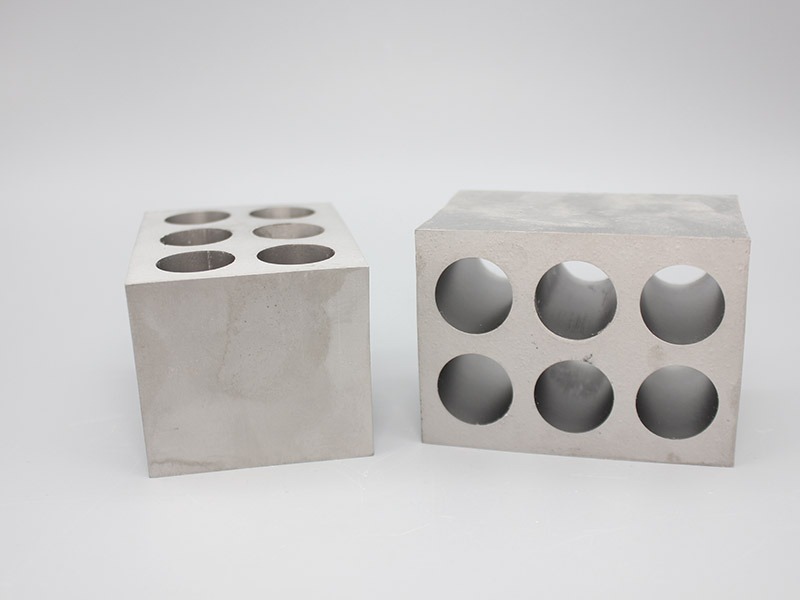
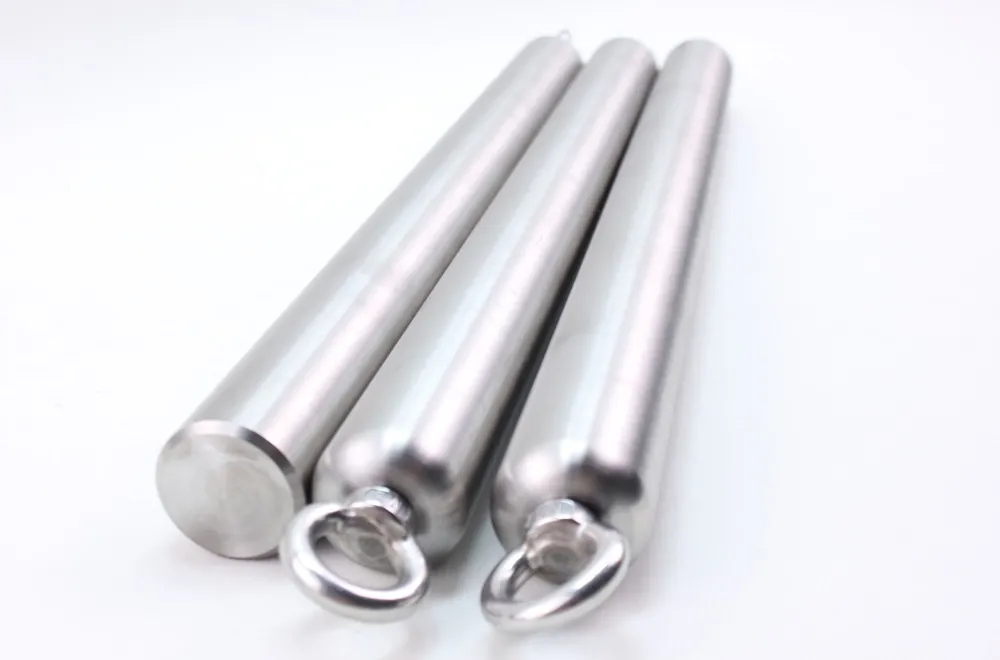
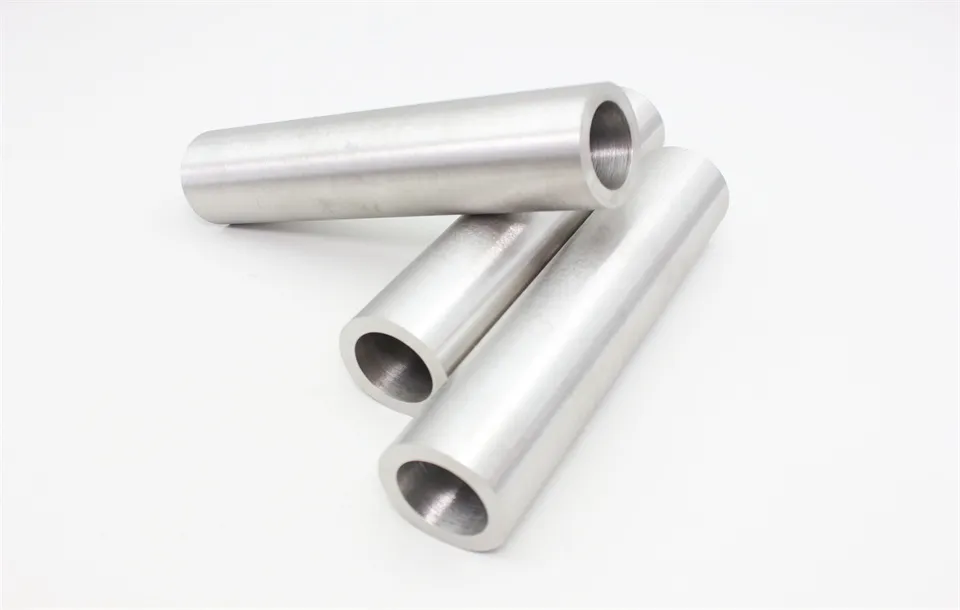
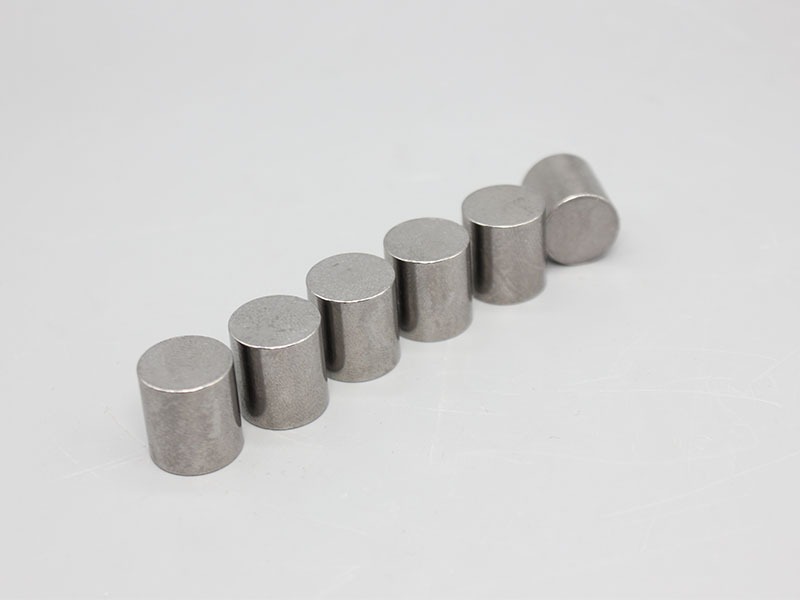
tungsten heavy alloys products showcases a remarkable mixture of power, flexibility, and thermal fatigue resistance. It is able to endure high pressure and very high temperatures getting neither through mechanical consistency. The aforementioned properties are a reason for its usage in the aerospace industry, particularly in flight control systems, radiations, and oil drilling. Besides that, its long-term dimensional accuracy cuts down on maintenance frequency while at the same time guaranteeing the quality of output.
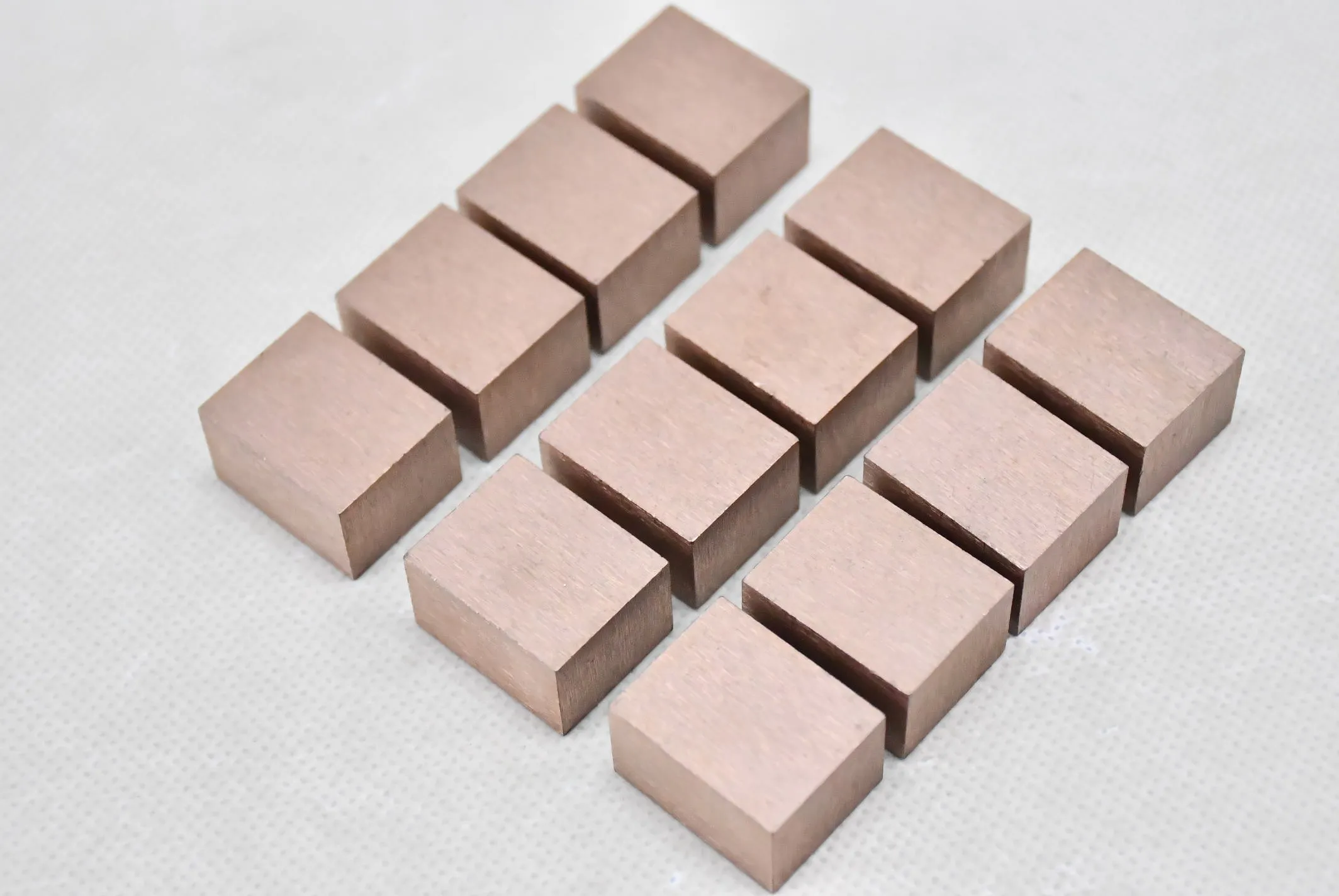
The use of tungsten heavy alloys products covers industries that require high strength-to-weight ratios and structural integrity. In aerospace engineering, it is found in counterweights for aircraft, balancing rotors, and control surfaces, where tolerance is important. The defense industry employs tungsten heavy alloys products in armor-piercing projectiles and for kinetic energy components, due to its high mass density and ability to withstand impact. Additionally, it serves oil drilling and heavy machinery applications for precision machining and stability under extreme vibration.
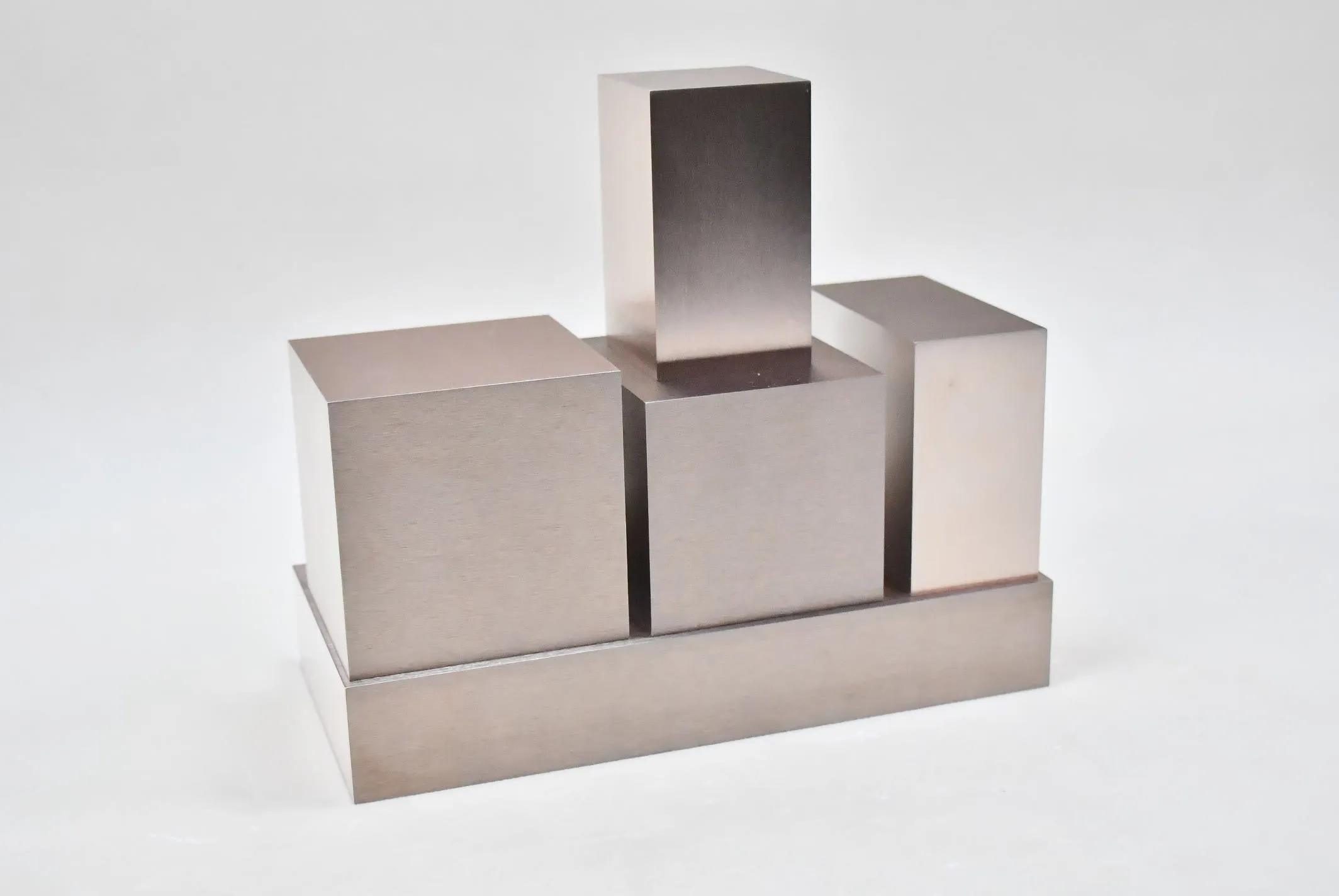
The future development of tungsten heavy alloys products will concentrate on higher thermal performance and greater sustainability in applications. It is expected that new production methods will reduce carbon emissions during processing, and innovations in micro-alloying will provide higher strength and fatigue resistance. Further incorporation into next-generation nuclear reactors and fusion will also continue.
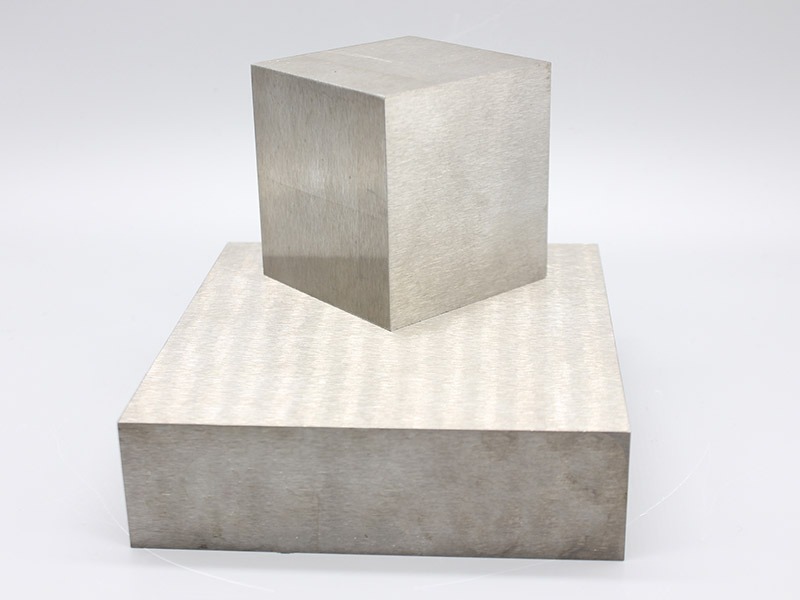
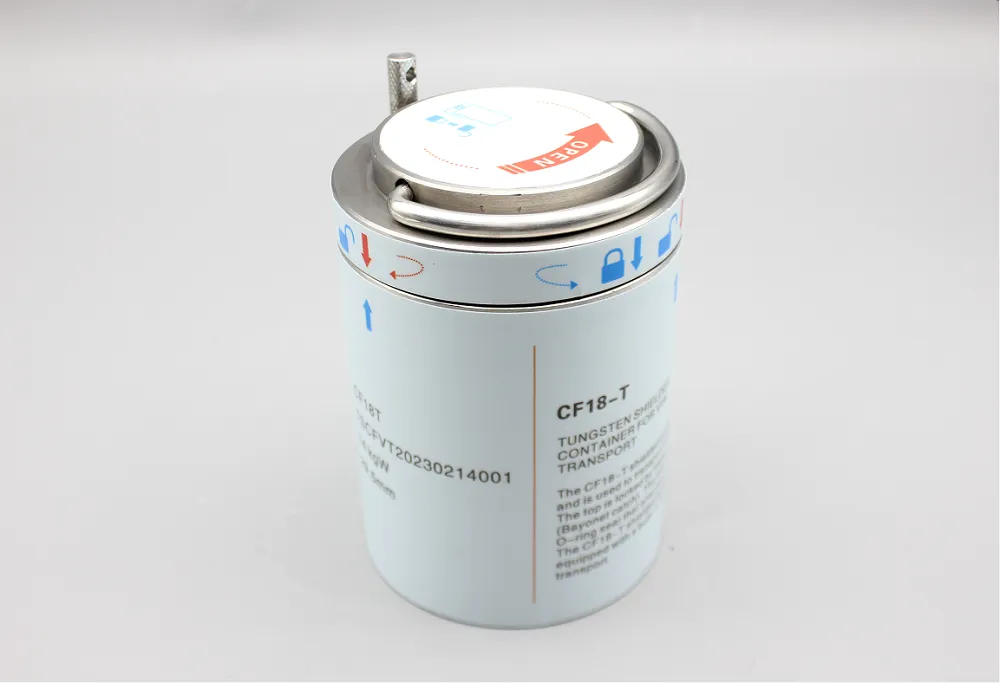
The life of tungsten heavy alloys products is consistent with care and maintenance. Do not drop or strike it against hard surfaces, as even minor impressions will impact the balance and performance of the tungsten heavy alloys products. Transport and store in tightly sealed containers to protect tungsten heavy alloys products from humidity and airborne contaminants.
tungsten heavy alloys products exhibits remarkable strength, density, and corrosion resistance. That property is required for applications like oil drilling, as well as for medical shielding and industrial balancing systems. Performance is established, even in rigorous work environments, for structural longevity and stability.
Q: How does Tungsten heavy alloy differ from pure tungsten? A: While pure tungsten is brittle, Tungsten heavy alloy has improved ductility and strength due to the addition of metal binders like nickel or iron. Q: Why is Tungsten heavy alloy used in medical imaging devices? A: It provides excellent radiation attenuation while maintaining compactness, ensuring precision and safety in X-ray and CT applications. Q: How durable is Tungsten heavy alloy in long-term use? A: It offers excellent wear and corrosion resistance, ensuring long-lasting performance in industrial and defense systems. Q: Can Tungsten heavy alloy be welded or joined easily? A: Yes, it can be joined using brazing or mechanical methods, though proper temperature control is required to maintain structural stability. Q: What role does Tungsten heavy alloy play in the defense industry? A: It is used for armor-piercing projectiles, kinetic energy penetrators, and vibration damping in high-performance military equipment.
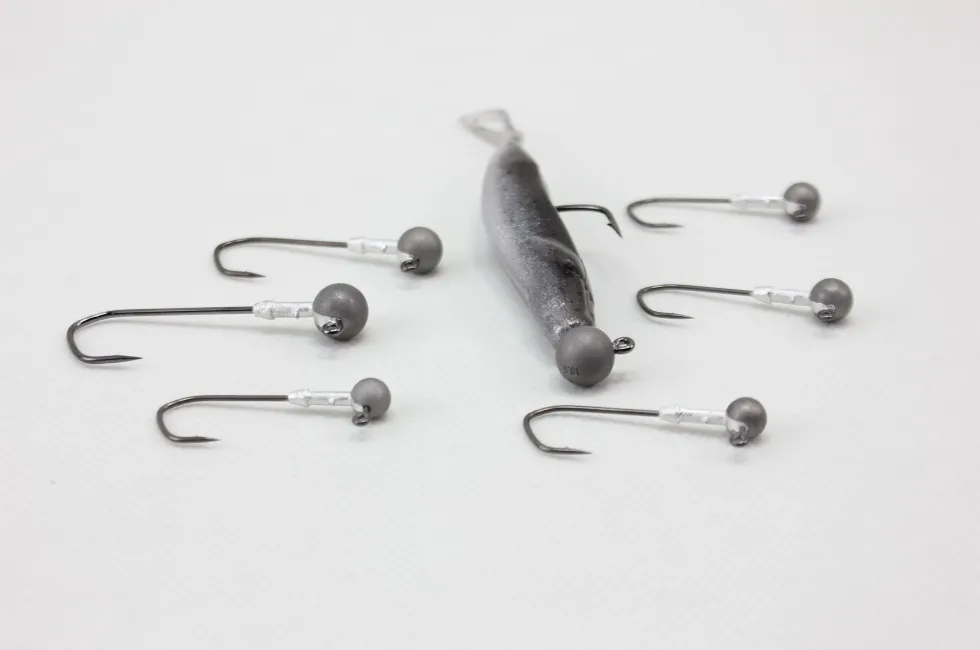
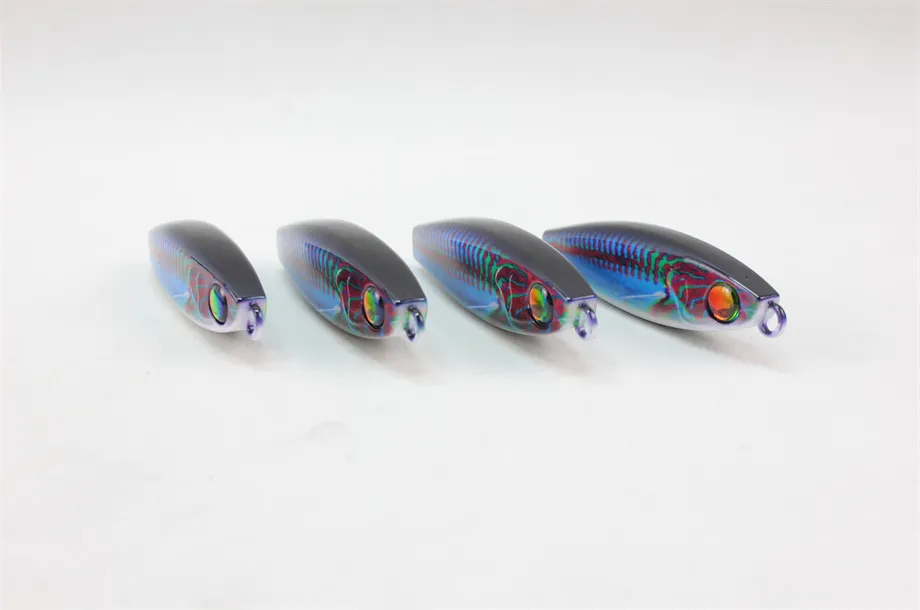
What I love about the tungsten jig is how fast it sinks and how naturally it moves in the water.
I’ve used the tungsten jig for months, and its weight balance makes it super easy to control even in deep spots.
To protect the privacy of our buyers, only public service email domains like Gmail, Yahoo, and MSN will be displayed. Additionally, only a limited portion of the inquiry content will be shown.
Could you provide your latest price list and production capacity for tungsten heavy alloy bars? We p...
Our aerospace division is sourcing tungsten heavy alloy counterweights. Please confirm density, tole...
Copyright © Zhuzhou Jiuding Metal Technology Co., Ltd. All Rights Reserved
 EN
EN AR
AR FR
FR DE
DE HI
HI IT
IT JA
JA KO
KO PT
PT RU
RU ES
ES ID
ID LV
LV VI
VI HU
HU MS
MS GA
GA BE
BE YI
YI EU
EU