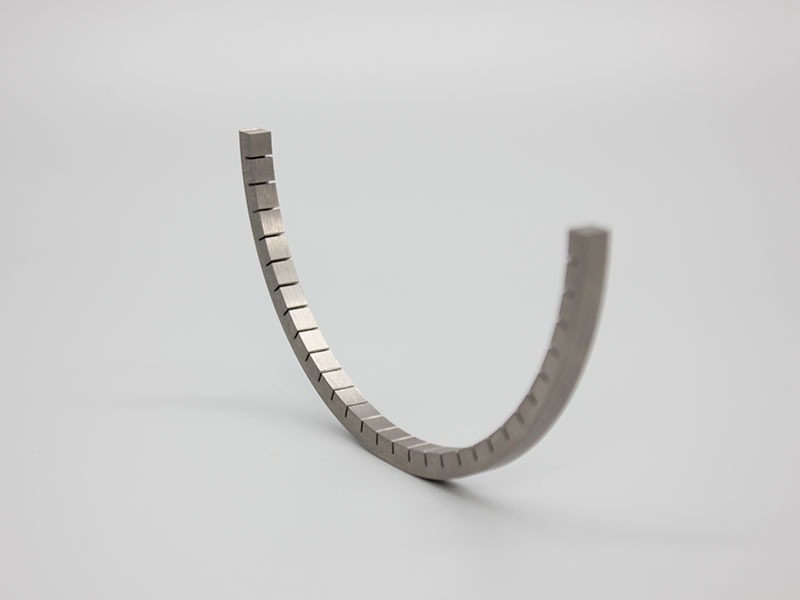
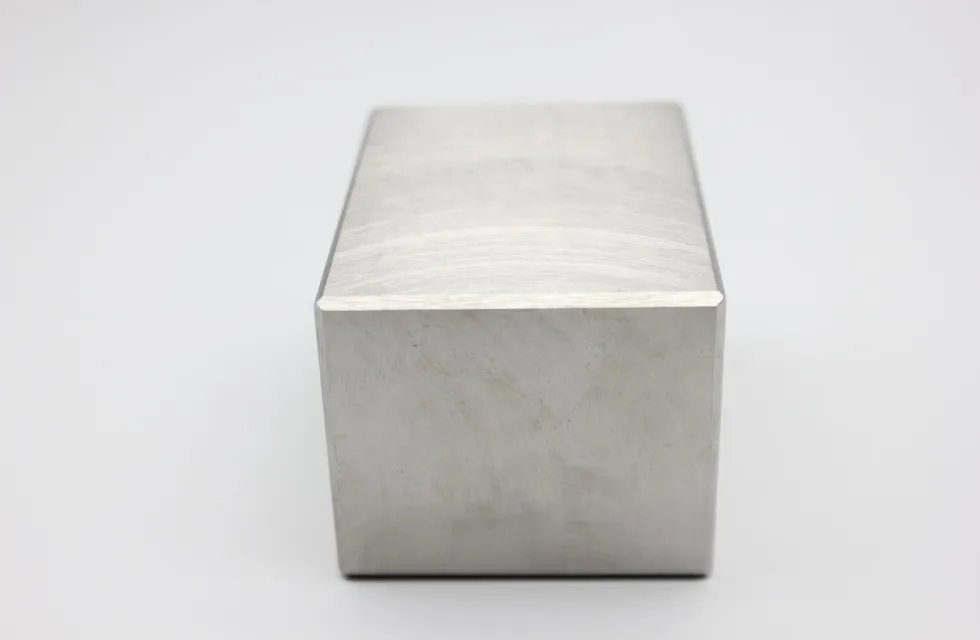
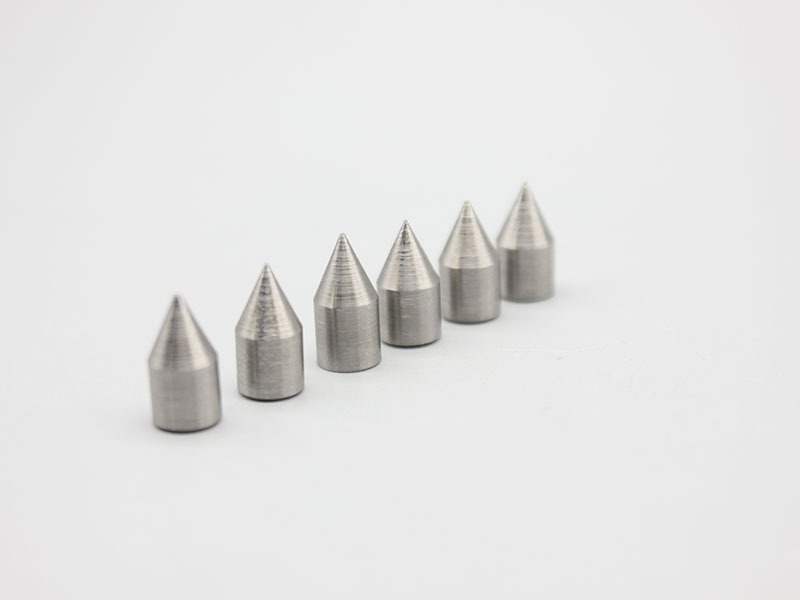
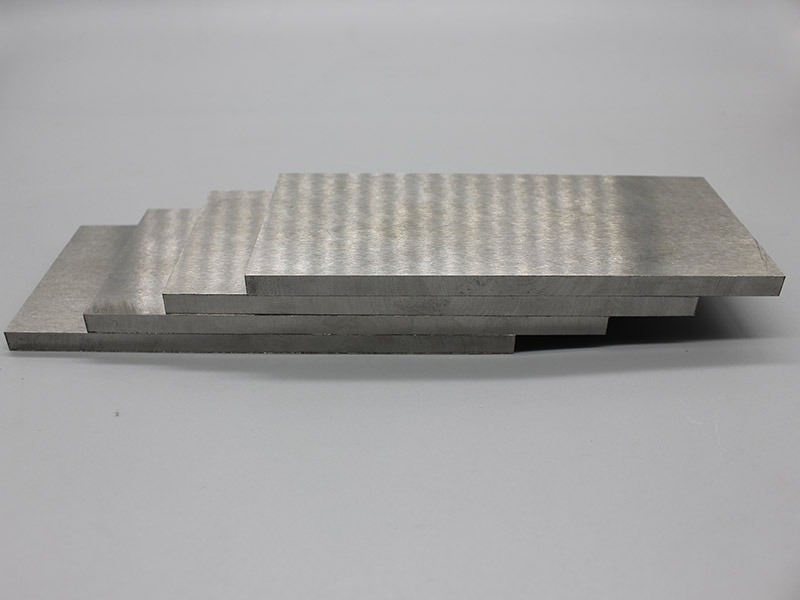
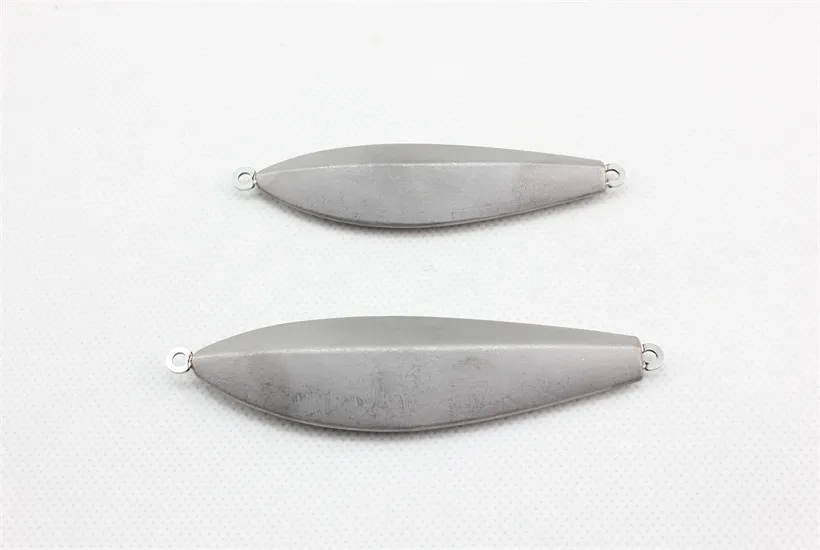
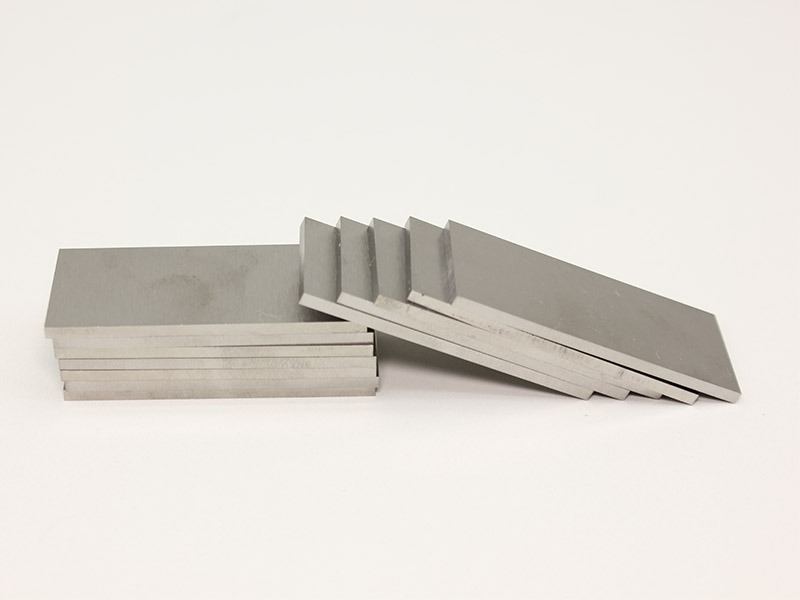
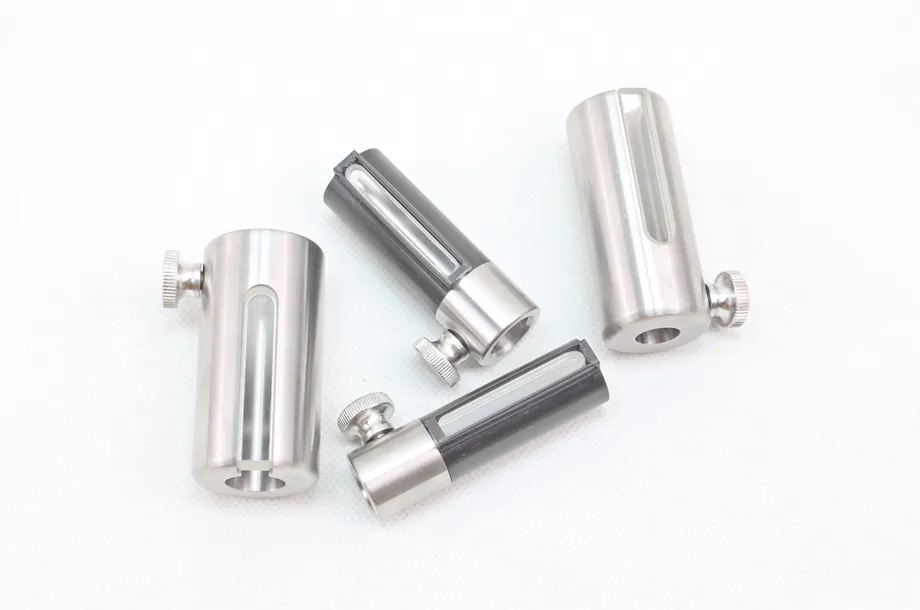
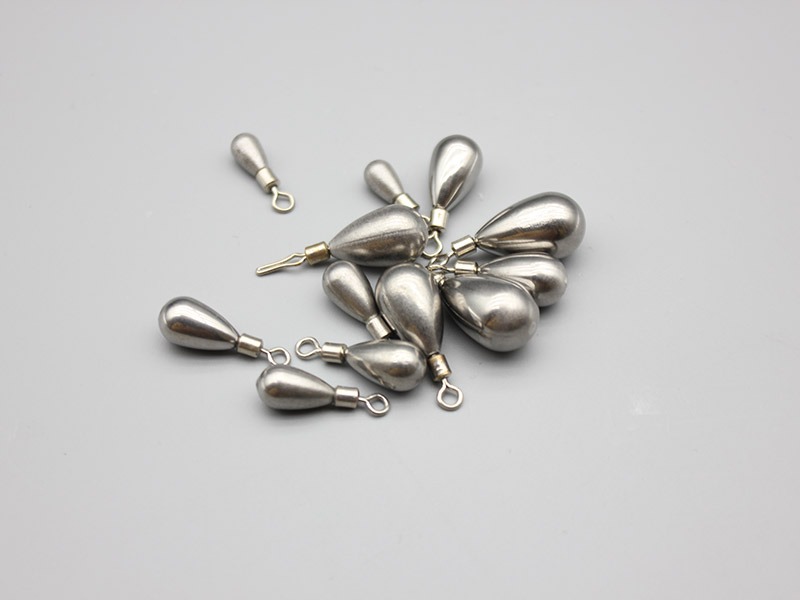
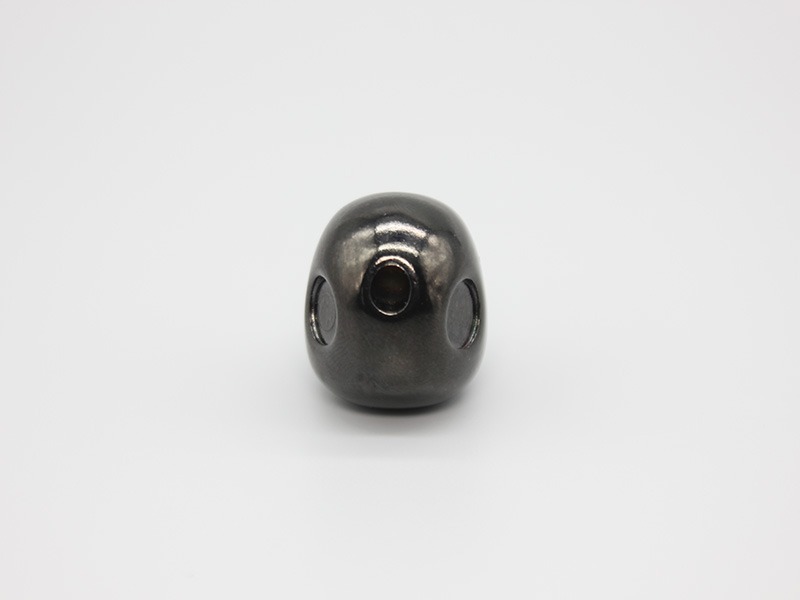
Compact and powerful, the tungsten sharpening jig redefines precision in lure design. Its dense tungsten structure ensures a quick descent and excellent responsiveness. The jig retains its form after countless casts, offering exceptional longevity. The tungsten sharpening jig provides a distinct advantage in detecting subtle bites, allowing for faster reactions and improved catch rates. It’s a perfect fit for serious anglers aiming for consistent success.
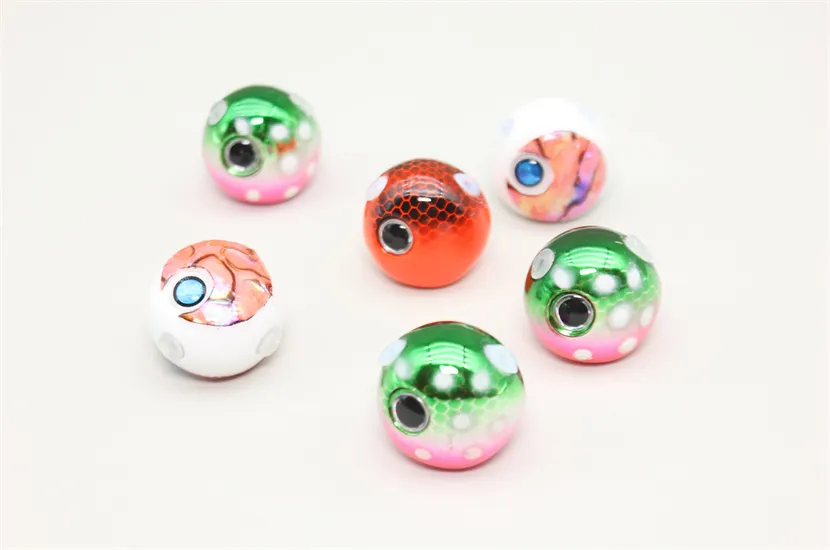
In fly-fishing adaptations, the tungsten sharpening jig is a useful weight component for nymph righs that has a fast sink rate that is not bulky. The compact design helps improve drift realism and keeps flies in the strike zone. It is a favorite and useful tool for targeting trout and grayling while used on fast flows in streams and rivers.
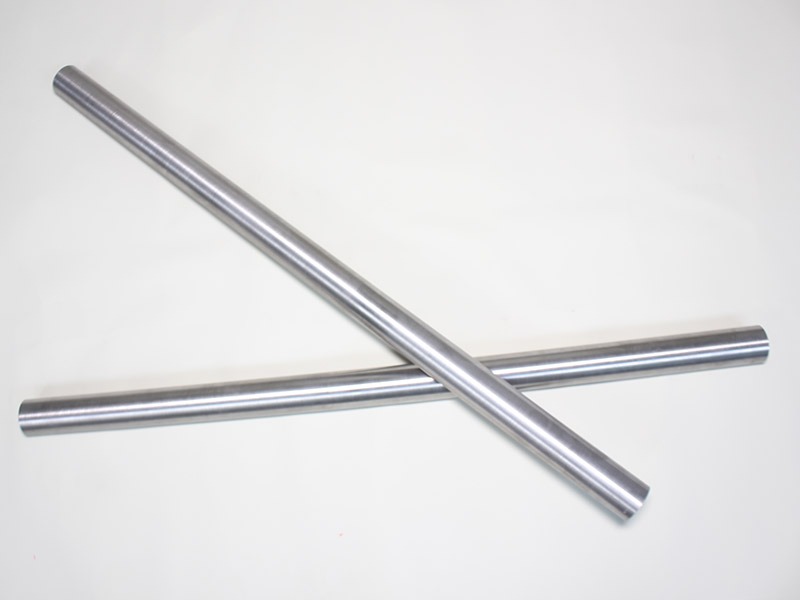
The future direction of tungsten sharpening jig technology will be geared toward smarter designs with integrated hydrodynamic modeling for greater underwater movement. More advanced materials and coatings will increase reflection and corrosion resistance in order to prolong the life of each jig. As environmental awareness grows, manufacturers are looking into eco-friendly tungsten alloys as well as biodegradable paints to reduce environmental impact.
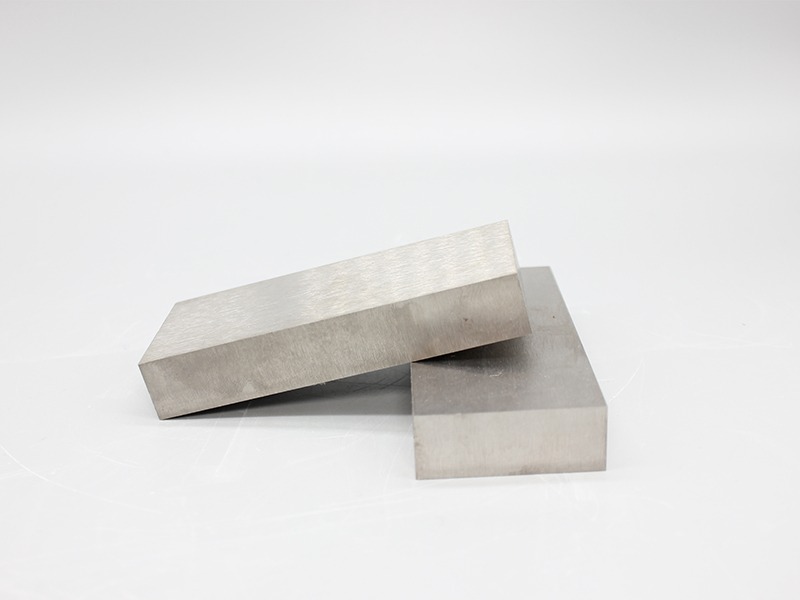
You should maintain tungsten sharpening jig in a pristine manner; in particular, always clean it after fishing in both saltwater and dirty environments. Use a soft brush to clean dirt from small nooks and crannies. Never store the jig while wet because moisture can ruin the hook finish. Periodically lubricating moving metal parts is a good idea to ensure they will work properly for a long time AND to reduce oxidation.
For instance, the tungsten sharpening jig is widely recognized for superior density and sensitivity to bites, however light. Its compact size, together with a faster sink rate compared to traditional lead jigs, gets it to the target zone efficiently. The hardness of tungsten also ensures durability, maintaining its shape under harsh underwater conditions. The tungsten sharpening jig performs consistently in both freshwater and saltwater environments, helping fishermen with accurate presentations. Designed for species such as bass, walleye, and crappie, it has become an important component in modern fishing setups.
Q: How should I store Tungsten jig to prevent damage? A: Keep it dry and separated in a tackle box with anti-moisture strips to prevent corrosion and scratches. Q: Is Tungsten jig environmentally friendly? A: Yes, tungsten is non-toxic and safer for aquatic environments compared to traditional lead-based materials. Q: What type of line works best with Tungsten jig? A: Braided or fluorocarbon lines are ideal, offering improved sensitivity and stronger control underwater. Q: Can Tungsten jig be used for vertical jigging? A: Absolutely, its compact and dense body makes it perfect for vertical presentations in deep water. Q: How can I keep the hook of Tungsten jig sharp? A: Regularly inspect the hook and use a fine file to sharpen it for consistent penetration and hooksets.
The tungsten jig feels incredibly durable — I’ve caught dozens of fish, and it still looks new.
The Tungsten heavy alloy handles extreme pressure and heat better than most metals I’ve used.
To protect the privacy of our buyers, only public service email domains like Gmail, Yahoo, and MSN will be displayed. Additionally, only a limited portion of the inquiry content will be shown.
I’m interested in your tungsten jig models used for saltwater fishing. Please share your catalog a...
Could you provide info about your heavy-duty tungsten jig types suitable for deep-sea fishing? Looki...
Copyright © Zhuzhou Jiuding Metal Technology Co., Ltd. All Rights Reserved
 EN
EN AR
AR FR
FR DE
DE HI
HI IT
IT JA
JA KO
KO PT
PT RU
RU ES
ES ID
ID LV
LV VI
VI HU
HU MS
MS GA
GA BE
BE YI
YI EU
EU