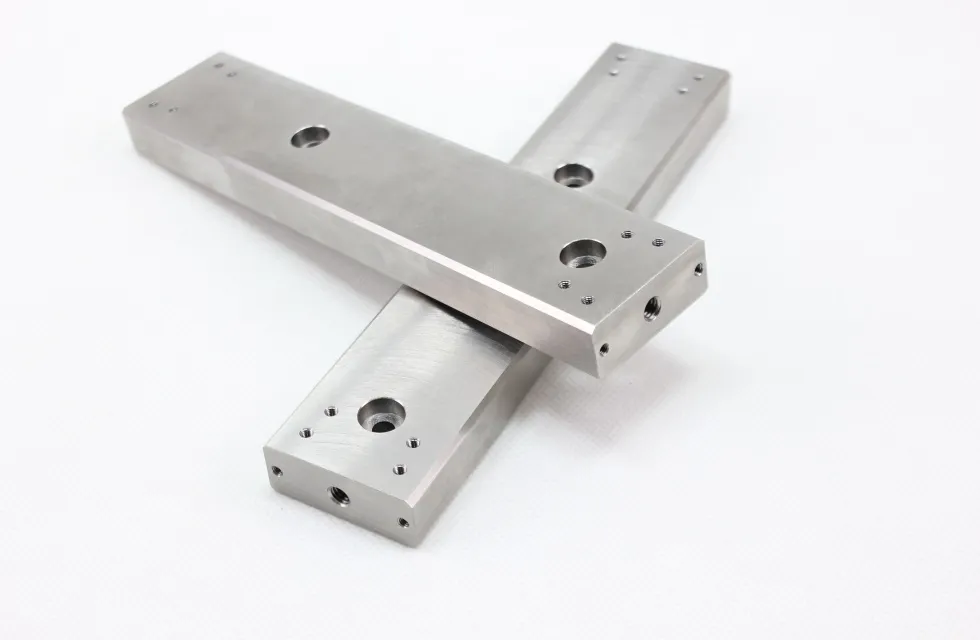
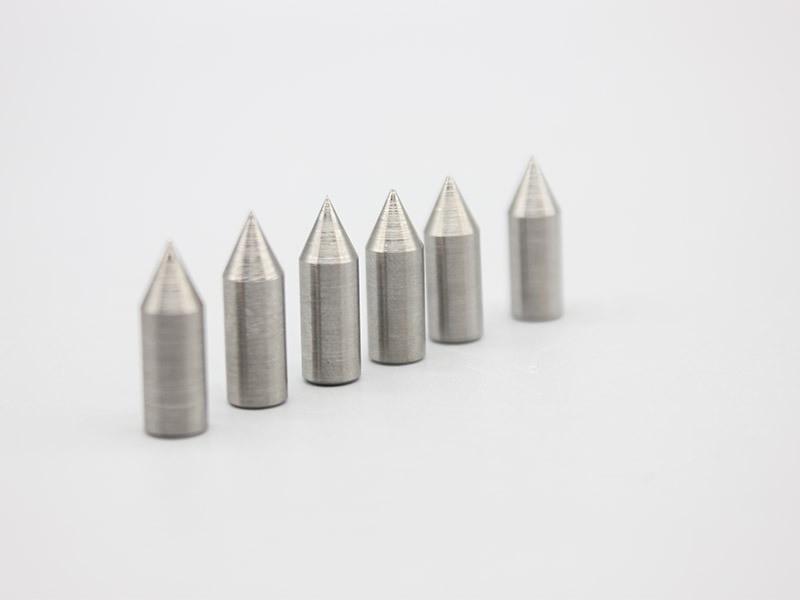
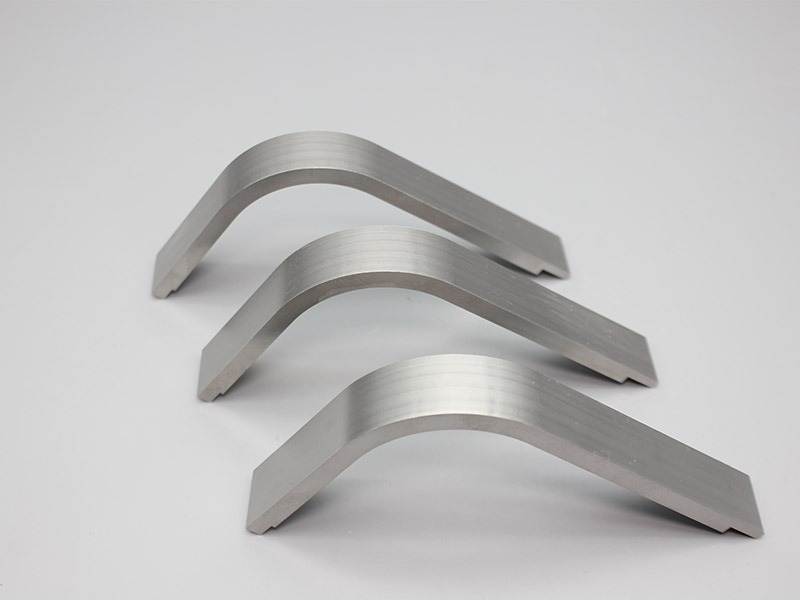
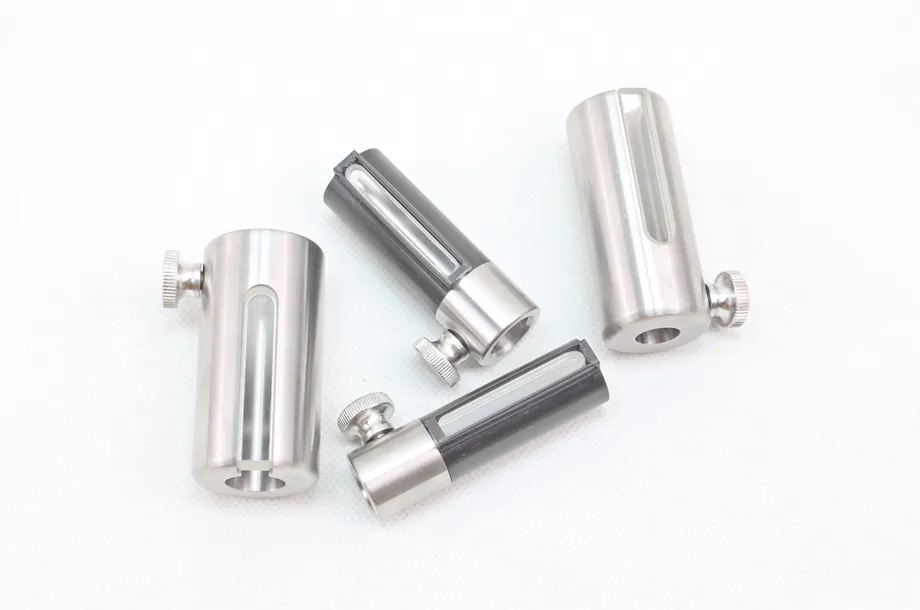
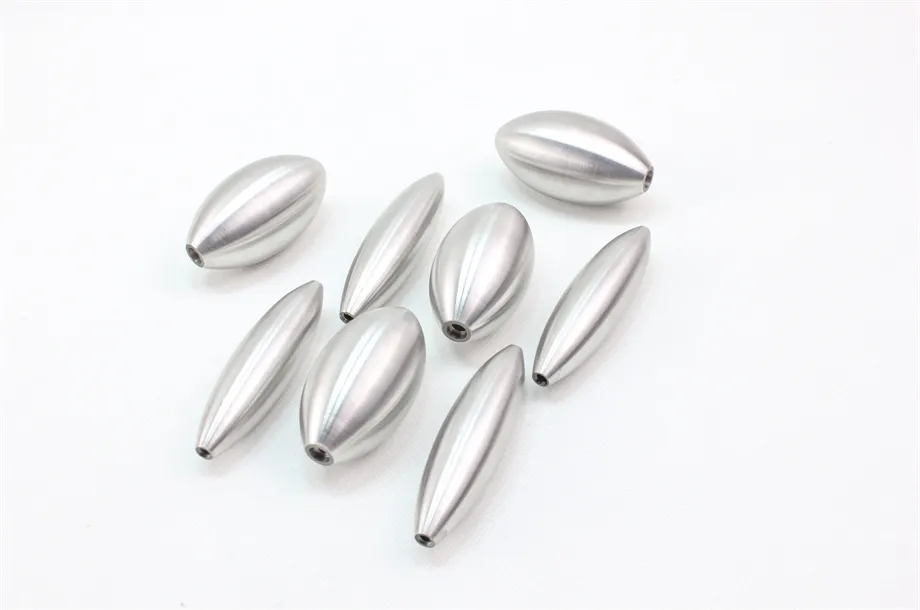
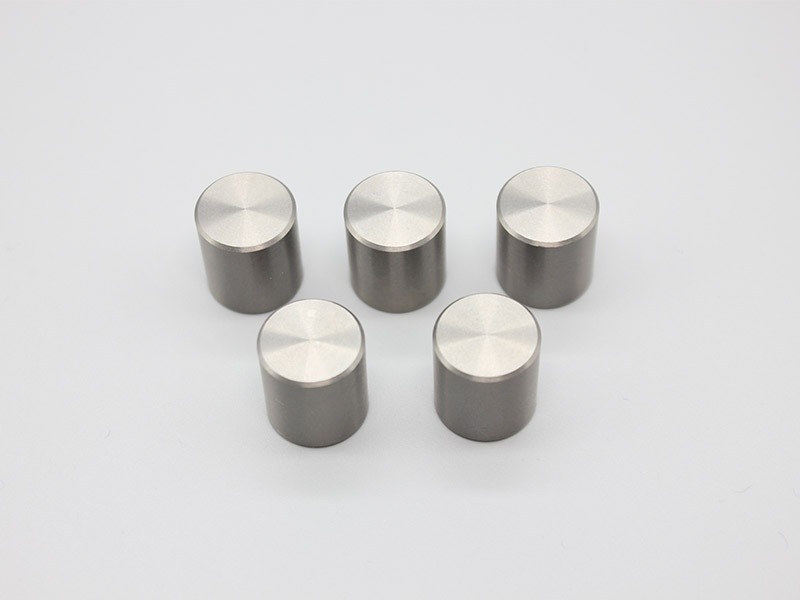
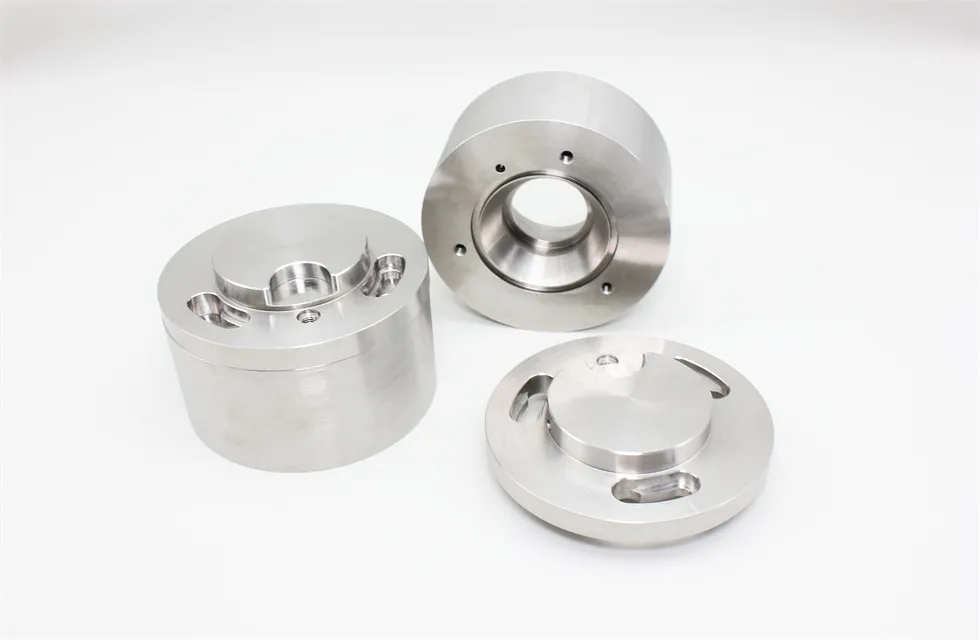
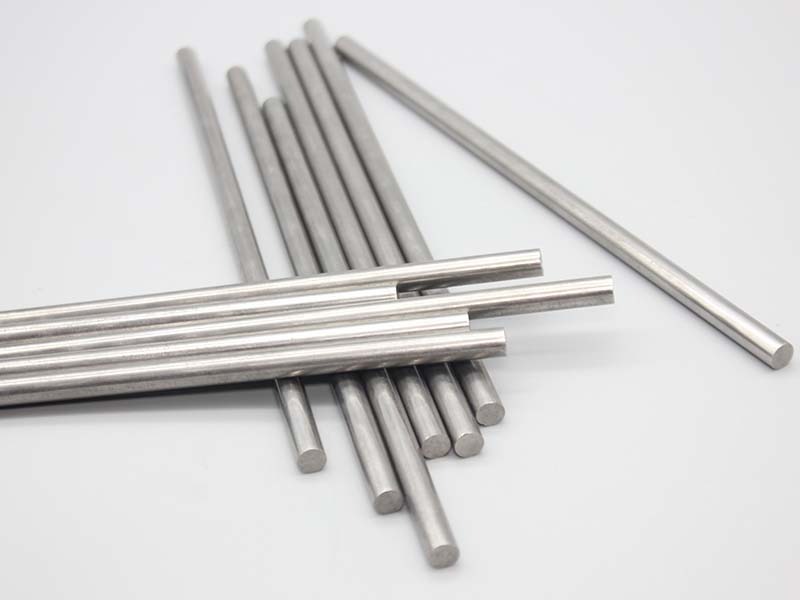
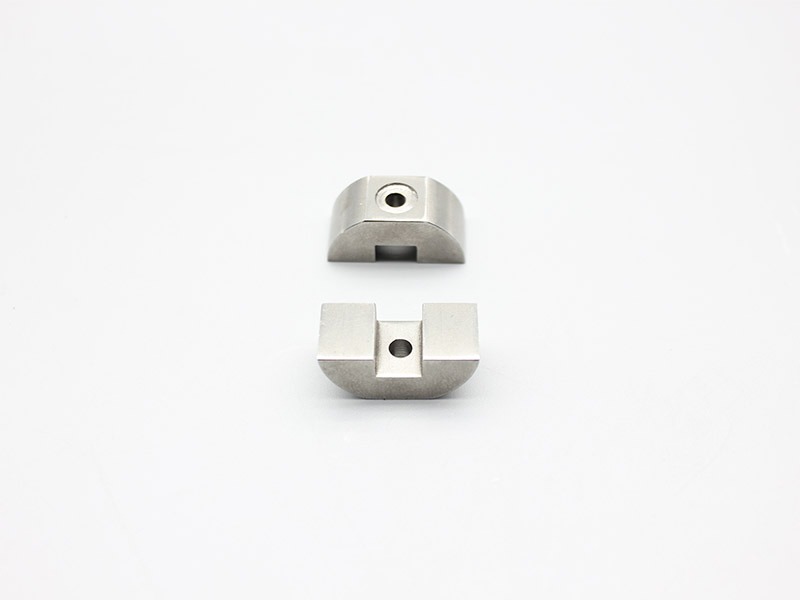
The heavy composition of well logging tungsten heavy alloys usually contributes to excellent mechanical equilibrium and also energy transfer capability. The there being a good microstructure the material becomes not only more durable but less prone to failing even if the demand is for cyclic loading. Industries count on its stability for the making of gyroscopes, flywheels, and precision molds. The mix of density and non-corrosive nature makes well logging tungsten heavy alloys the right choice for the locations where the operations are either in the sea or at high temperatures, thus, the performance continuity for the demanding industrial tasks is assured.
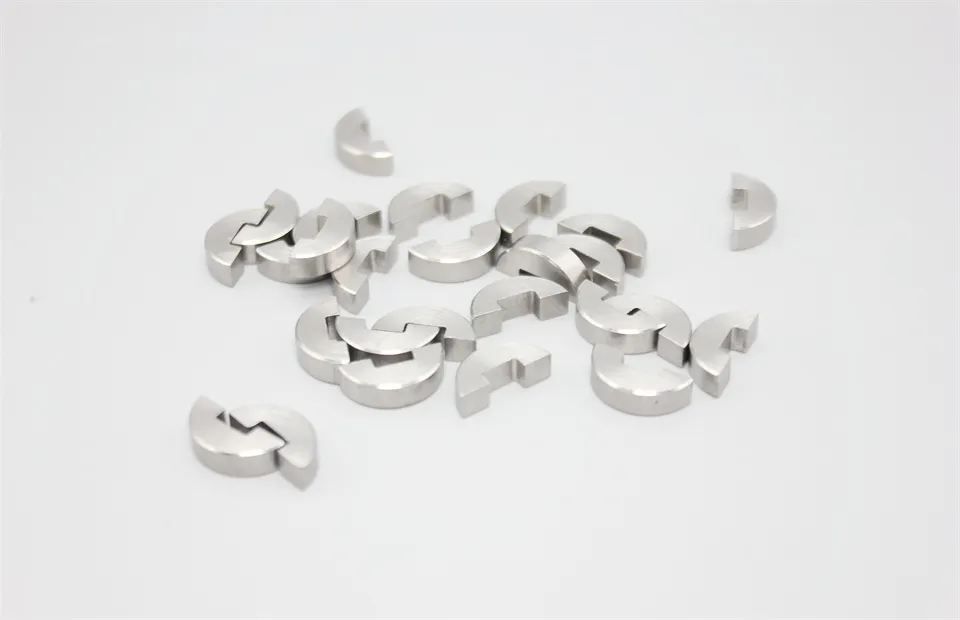
Within the healthcare and medical field, well logging tungsten heavy alloys enjoys a wide application in shielding against radiation and as counterbalance configurations. Safety is critical in diagnosis equipment and groundbreaking technologies such as linear accelerators and gamma cameras. The aforementioned density allows for a smaller and lighter component, without sacrificing protection, which is a key driver of advanced technologies in modern healthcare applications.
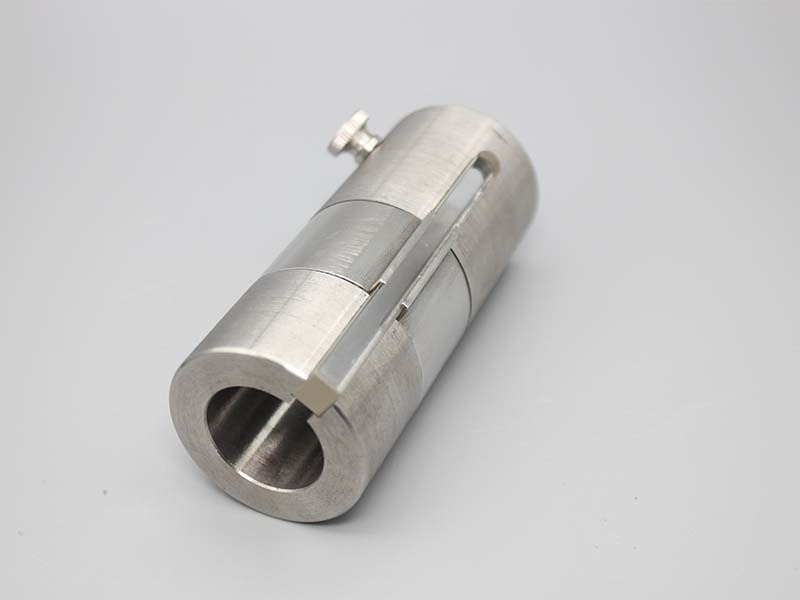
In the following years expect a confluence of well logging tungsten heavy alloys with advanced composites for hybrid engineered materials. The hybrids will provide flexibility, corrosion resistance and weight reduction benefits. In addition, as industries look for stable and energy absorbing materials, the role of alloy in electric mobility and autonomous vehicles will grow.
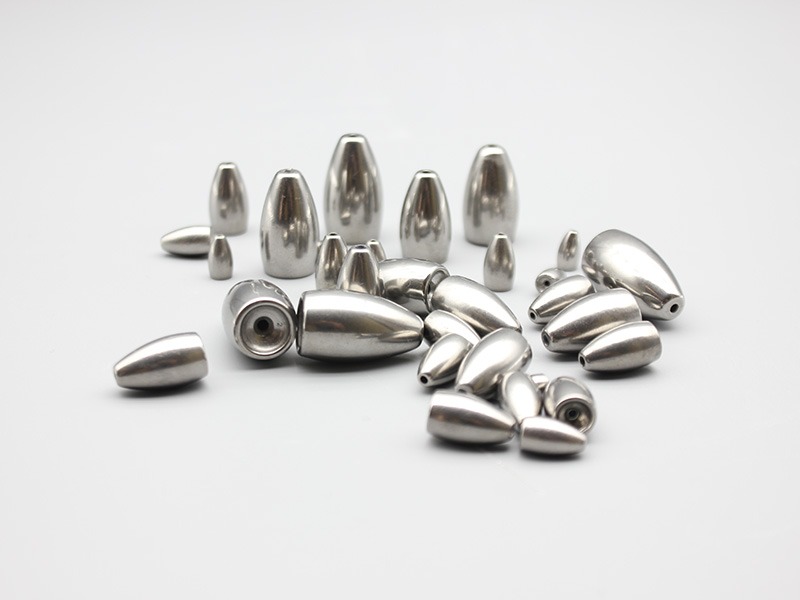
Good maintenance of well logging tungsten heavy alloys ensures durable performance in extreme conditions. Periodically inspect mechanical joint and contact areas to detect early wear. In instances when oxidation has formed, buff the appearace with a mild abrasive pad. You can expect the oxidation to lose its unwanted appearance, but the performance of the well logging tungsten heavy alloys will not be adversely affected.
Due to its adequate mechanical properties, in addition to its similarity to tungsten, well logging tungsten heavy alloys is made from tungsten in conjunction with nickel and iron to achieve both strength and ductility. It is often used as counterweights, kinetic energy penetrators, and for use in systems requiring precise balancing. The alloy is also stable when exposed to heavy loads ensuring an extended life of consistent service.
Q: How does Tungsten heavy alloy differ from pure tungsten? A: While pure tungsten is brittle, Tungsten heavy alloy has improved ductility and strength due to the addition of metal binders like nickel or iron. Q: Why is Tungsten heavy alloy used in medical imaging devices? A: It provides excellent radiation attenuation while maintaining compactness, ensuring precision and safety in X-ray and CT applications. Q: How durable is Tungsten heavy alloy in long-term use? A: It offers excellent wear and corrosion resistance, ensuring long-lasting performance in industrial and defense systems. Q: Can Tungsten heavy alloy be welded or joined easily? A: Yes, it can be joined using brazing or mechanical methods, though proper temperature control is required to maintain structural stability. Q: What role does Tungsten heavy alloy play in the defense industry? A: It is used for armor-piercing projectiles, kinetic energy penetrators, and vibration damping in high-performance military equipment.
The Tungsten heavy alloy provides solid consistency in production; every piece meets our exact requirements.
I appreciate that Tungsten heavy alloy is non-toxic yet just as heavy and stable as lead — a smart upgrade.
To protect the privacy of our buyers, only public service email domains like Gmail, Yahoo, and MSN will be displayed. Additionally, only a limited portion of the inquiry content will be shown.
I’m interested in your tungsten jig models used for saltwater fishing. Please share your catalog a...
Do you provide OEM service for tungsten jig? We’d like to customize colors and hook types for our ...
Copyright © Zhuzhou Jiuding Metal Technology Co., Ltd. All Rights Reserved
 EN
EN AR
AR FR
FR DE
DE HI
HI IT
IT JA
JA KO
KO PT
PT RU
RU ES
ES ID
ID LV
LV VI
VI HU
HU MS
MS GA
GA BE
BE YI
YI EU
EU