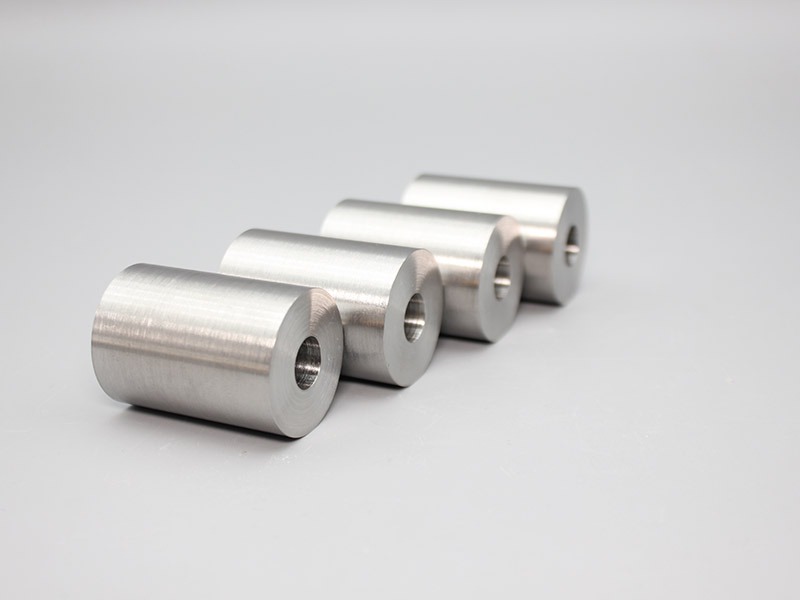
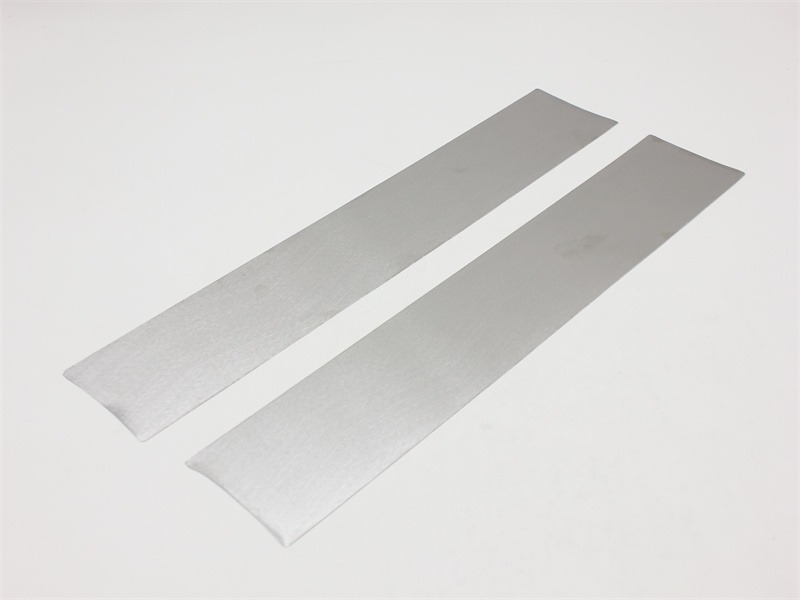
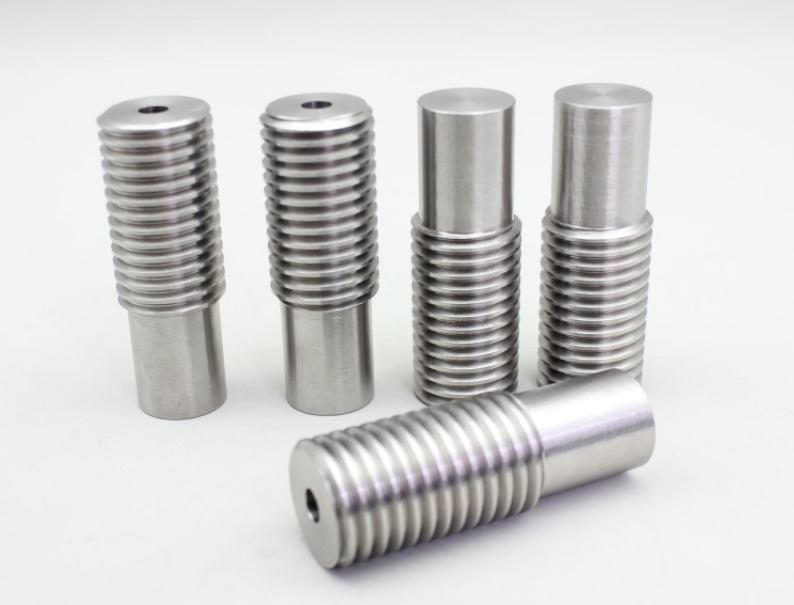
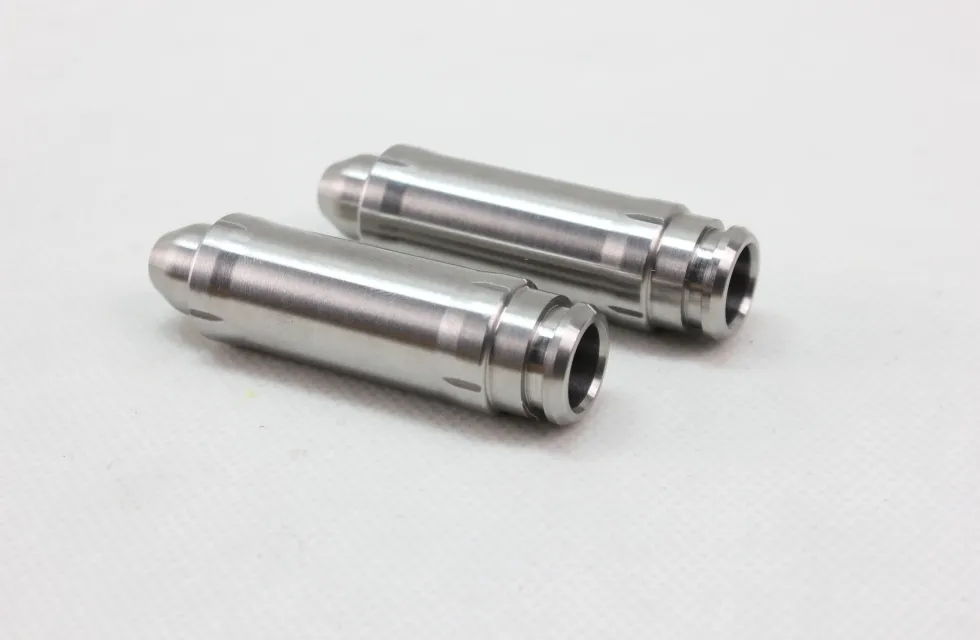
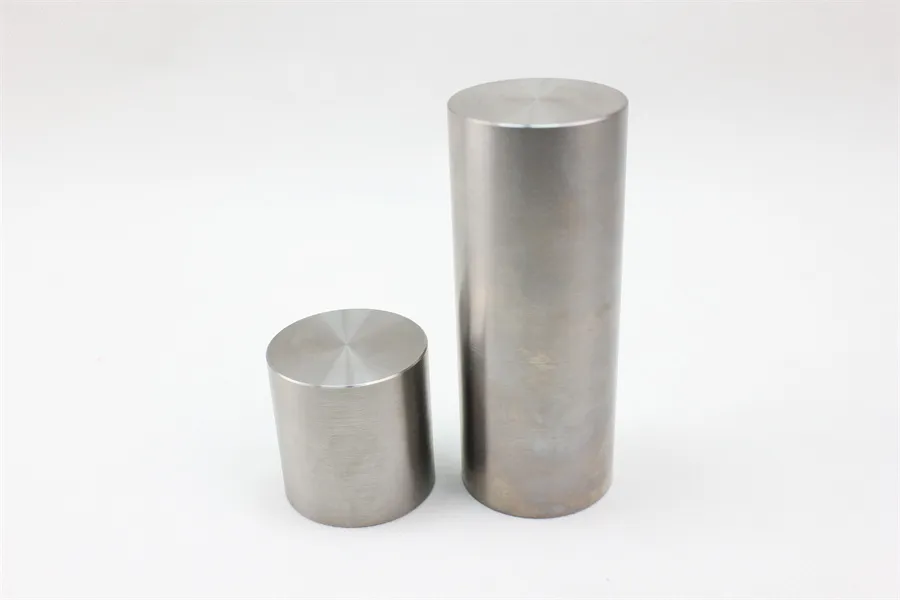
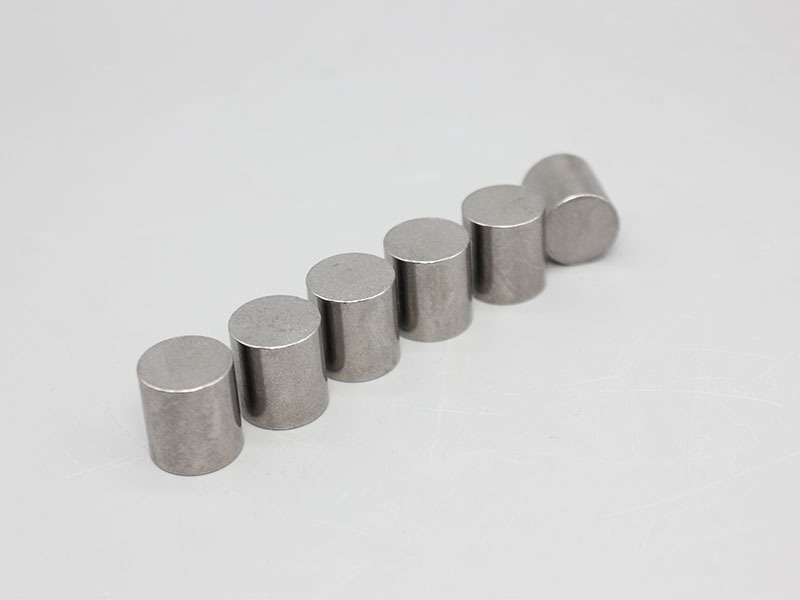
China tungsten heavy alloy melting point is designed for applications requiring maximum strength with minimal volume. The high density ensures the alloy has great balance and vibration resistance. The alloy has the same mechanical properties at elevated pressure, which is why it can be found in ballistic applications, commercial aerospace structures, and advanced tooling. China tungsten heavy alloy melting point is resistant to cracking, corrosion, and fatigue, so it can be employed in extreme working conditions.

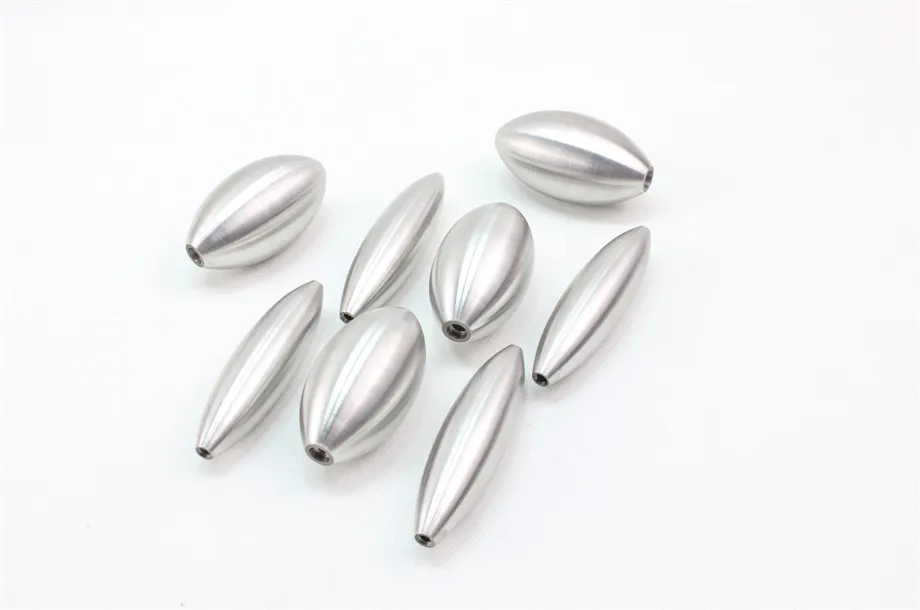
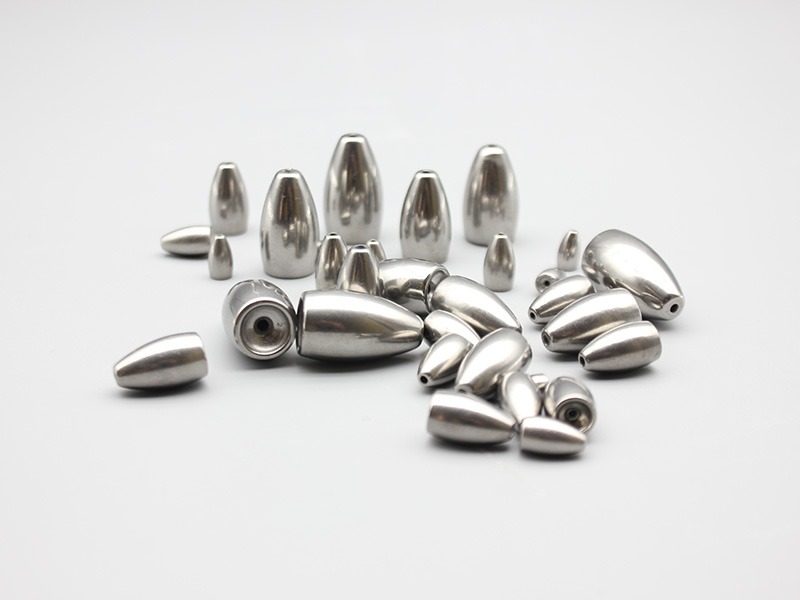
In marine engineering, China tungsten heavy alloy melting point is utilized for ballast weights, propeller balancing, and other underwater applications. The high density of the material allows for compact designs, and the corrosion-resistant properties of the material allow for performance in salt water environments. Submarine systems incorporate the alloy for stability to allow for ease of maneuverability and control of depth.
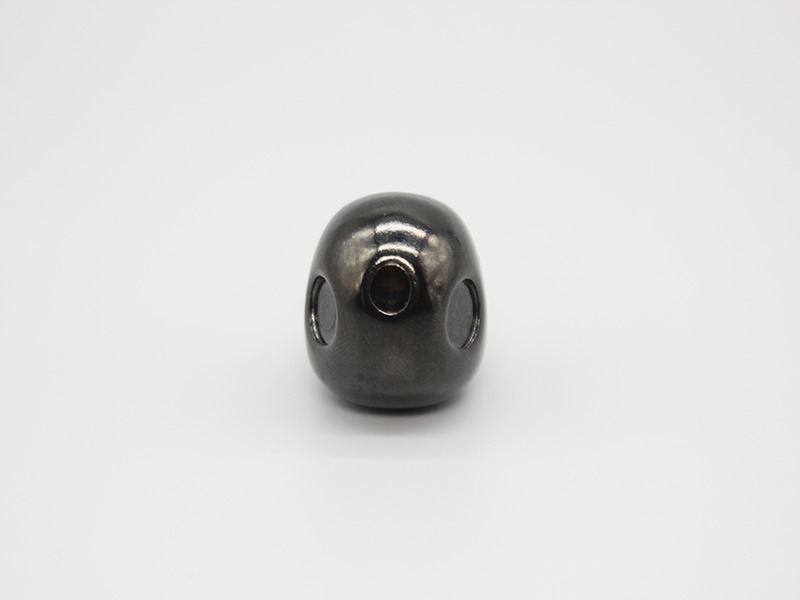
The future of China tungsten heavy alloy melting point will be influenced by innovations in alloy processing and precision manufacturing. Novel processing methods, like additive manufacturing and nanostructured control of alloys, will offer new ways to balance improved strength-to-weight ratios with machinability. As industry shifts to smaller systems, China tungsten heavy alloy melting point will facilitate compact, high-performance components for aerospace, defense and renewable energy technologies.
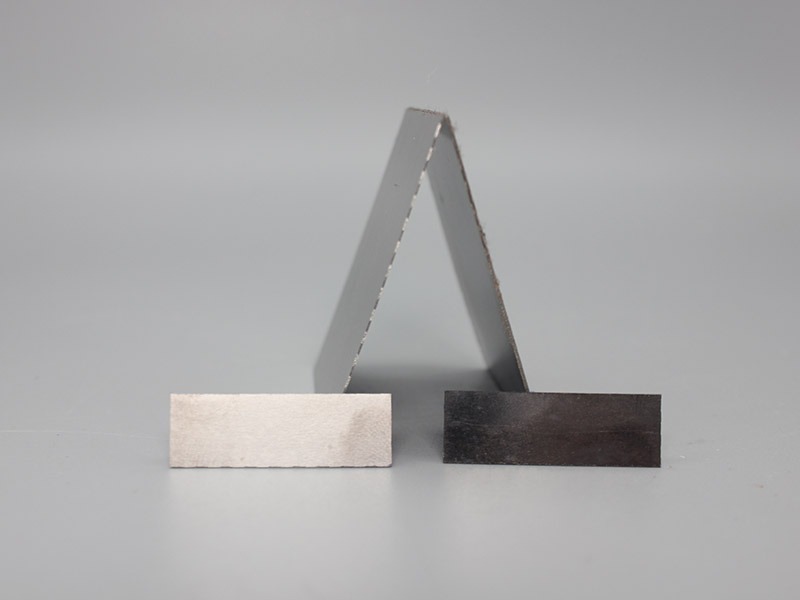
The life of China tungsten heavy alloy melting point is consistent with care and maintenance. Do not drop or strike it against hard surfaces, as even minor impressions will impact the balance and performance of the China tungsten heavy alloy melting point. Transport and store in tightly sealed containers to protect China tungsten heavy alloy melting point from humidity and airborne contaminants.
Due to its adequate mechanical properties, in addition to its similarity to tungsten, China tungsten heavy alloy melting point is made from tungsten in conjunction with nickel and iron to achieve both strength and ductility. It is often used as counterweights, kinetic energy penetrators, and for use in systems requiring precise balancing. The alloy is also stable when exposed to heavy loads ensuring an extended life of consistent service.
Q: How is Tungsten heavy alloy used in oil and gas exploration? A: It serves as a key material for counterweights, drilling tools, and downhole equipment due to its density and wear resistance. Q: What maintenance practices help preserve Tungsten heavy alloy components? A: Regular cleaning, controlled storage, and protection from moisture help prevent oxidation and extend service life. Q: Why does Tungsten heavy alloy perform well in vibration control? A: Its density and internal damping capacity reduce oscillations in precision machinery and aerospace systems. Q: What machining techniques are best for Tungsten heavy alloy? A: CNC milling, grinding, and electrical discharge machining are commonly used for shaping Tungsten heavy alloy with precision. Q: How does Tungsten heavy alloy support environmental sustainability? A: It replaces toxic lead in many applications while offering durability and recyclability for eco-friendly production cycles.
The Tungsten heavy alloy provides solid consistency in production; every piece meets our exact requirements.
The tungsten jig performs great in both saltwater and freshwater; it doesn’t rust or wear out easily.
To protect the privacy of our buyers, only public service email domains like Gmail, Yahoo, and MSN will be displayed. Additionally, only a limited portion of the inquiry content will be shown.
We are a machining parts supplier seeking tungsten heavy alloy rods for precision components. Kindly...
We operate a fishing tackle store and want to stock tungsten jig. Please send details on bulk pricin...
Copyright © Zhuzhou Jiuding Metal Technology Co., Ltd. All Rights Reserved
 EN
 AR
 FR
 DE
 HI
 IT
 JA
 KO
 PT
 RU
 ES
 ID
 LV
 VI
 HU
 MS
 GA
 BE
 YI
 EU