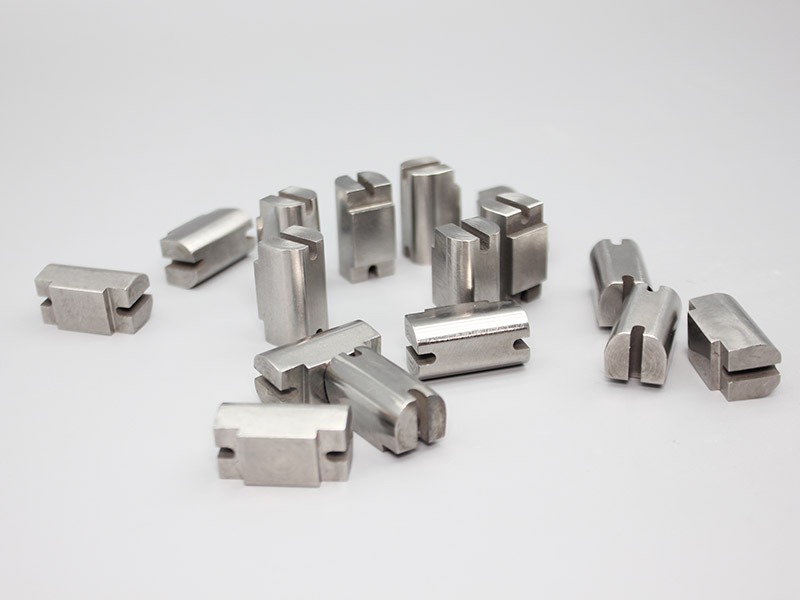
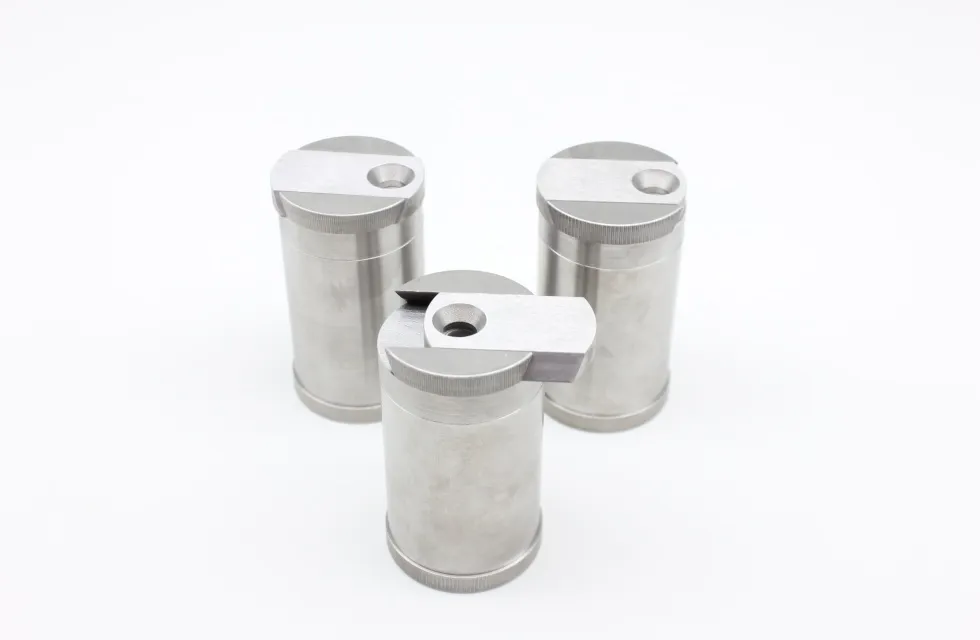
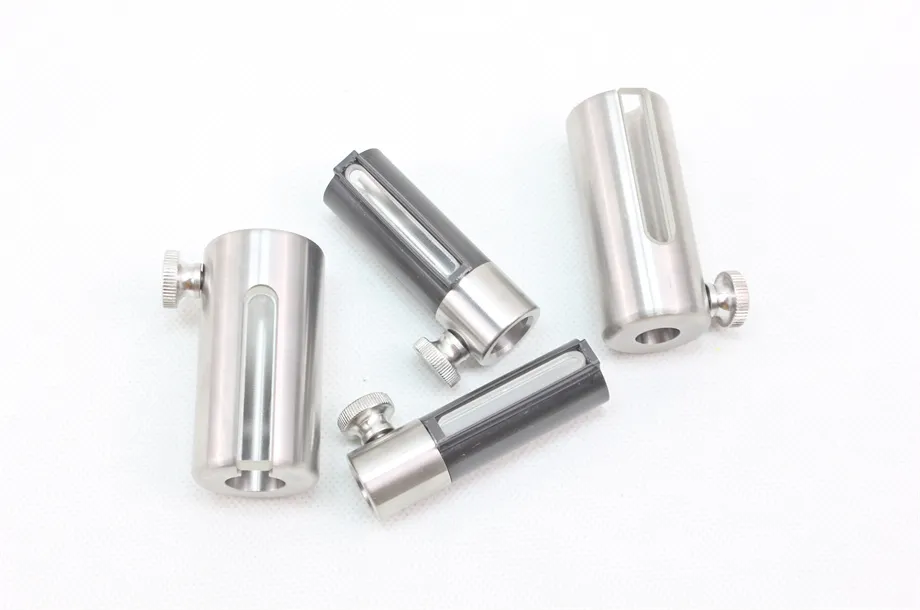
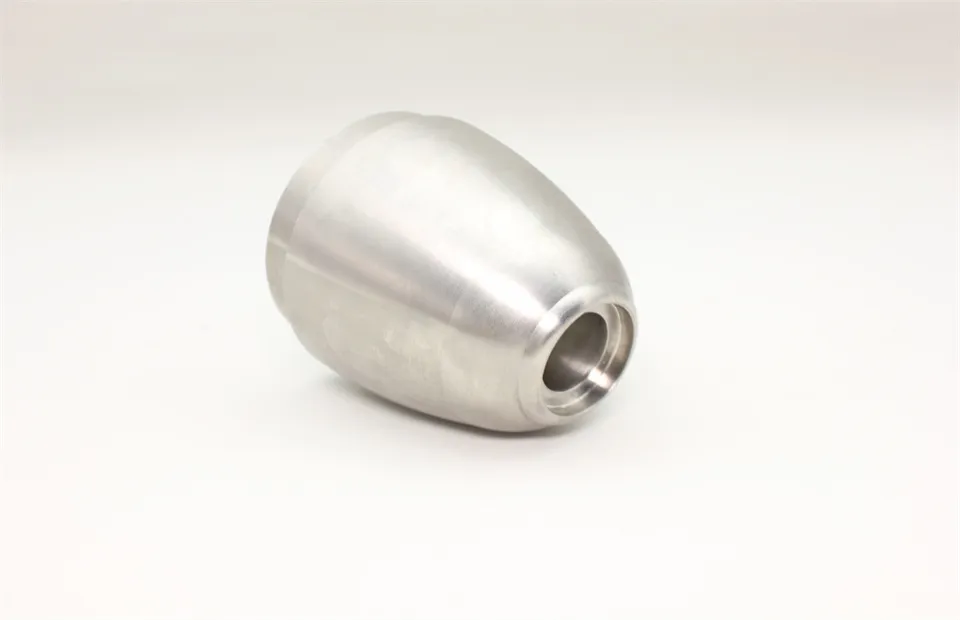
Jiuding tungsten heavy alloys plate showcases a remarkable mixture of power, flexibility, and thermal fatigue resistance. It is able to endure high pressure and very high temperatures getting neither through mechanical consistency. The aforementioned properties are a reason for its usage in the aerospace industry, particularly in flight control systems, radiations, and oil drilling. Besides that, its long-term dimensional accuracy cuts down on maintenance frequency while at the same time guaranteeing the quality of output.

In the oil and gas exploration industry, Jiuding tungsten heavy alloys plate is utilized in drill collars, logging tools, and downhole weights. Its density provides tool stability and correct placement deep underground. The alloy also exhibits corrosion activity from challenging drilling fluids and high-pressure environments, providing long life and consistent drilling accuracy.
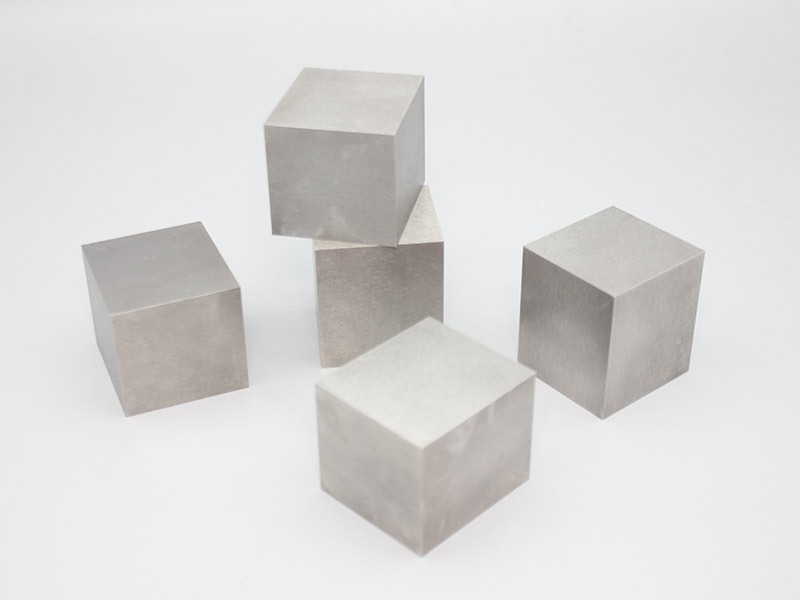
As an industry advances to increasingly perform better, Jiuding tungsten heavy alloys plate will see great depth of use in precision control systems, drones, and renewable power generation applications. Researchers are evolving sintering techniques that reduce material size and provide better designs based on fatigue criteria while being lightweight.
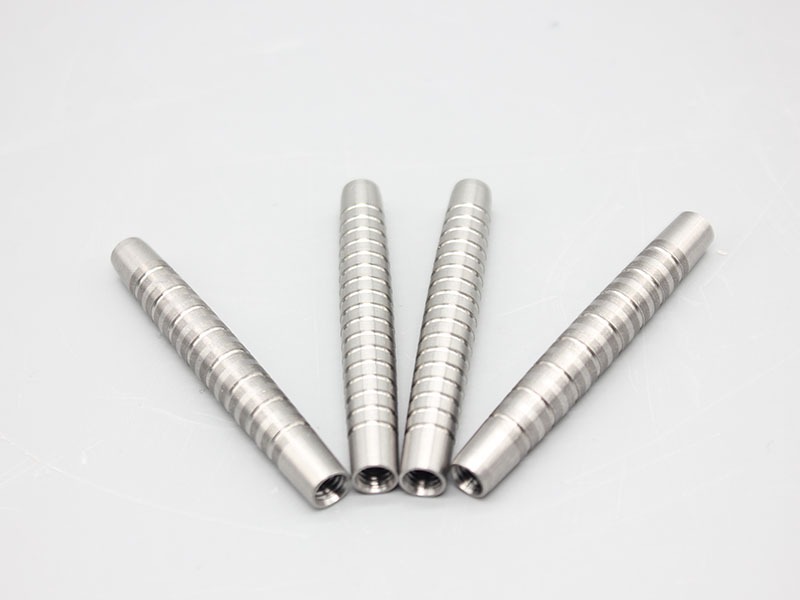
For machinery equipped with Jiuding tungsten heavy alloys plate components, it is ideal to have a scheduled time to perform maintenance of the machinery. As part of planned maintenance, check the components for alignment and correct lubrication. When dust or residue is present, clean the surfaces regularly to adequately avoid abrasive wear. The parts must remain cool and dry for the alloy to properly maintain mechanical strength and to resist mechanical fatigue.
Jiuding tungsten heavy alloys plate provides weight efficiency with thermal management in advanced engineered systems. The dense character of the material provides mechanical stability and vibration control. Due to its density, Jiuding tungsten heavy alloys plate is very likely to be encountered in precision machines, components of missiles, and other engineering systems.
Q: What makes Tungsten heavy alloy essential in engineering applications? A: Tungsten heavy alloy is essential because of its exceptional density, hardness, and thermal stability, making it reliable for use in high-performance mechanical and structural components. Q: How is Tungsten heavy alloy produced? A: It is made through powder metallurgy, where tungsten powder is blended with nickel, iron, or copper and sintered at high temperatures to form a compact, durable alloy. Q: Why is Tungsten heavy alloy suitable for aerospace industries? A: Its superior weight distribution and resistance to thermal stress make it perfect for use in counterbalances, rotor systems, and aircraft control components. Q: Can Tungsten heavy alloy be machined easily? A: While it is very dense and hard, it can be precisely machined using specialized tools designed for high-strength materials. Q: In which fields is Tungsten heavy alloy commonly applied? A: It is widely used in defense, medical imaging, oil drilling, aerospace, and industrial balancing systems.
I appreciate that Tungsten heavy alloy is non-toxic yet just as heavy and stable as lead — a smart upgrade.
The Tungsten heavy alloy provides solid consistency in production; every piece meets our exact requirements.
To protect the privacy of our buyers, only public service email domains like Gmail, Yahoo, and MSN will be displayed. Additionally, only a limited portion of the inquiry content will be shown.
We are a machining parts supplier seeking tungsten heavy alloy rods for precision components. Kindly...
I’m interested in your tungsten jig models used for saltwater fishing. Please share your catalog a...
Copyright © Zhuzhou Jiuding Metal Technology Co., Ltd. All Rights Reserved
 EN
 AR
 FR
 DE
 HI
 IT
 JA
 KO
 PT
 RU
 ES
 ID
 LV
 VI
 HU
 MS
 GA
 BE
 YI
 EU