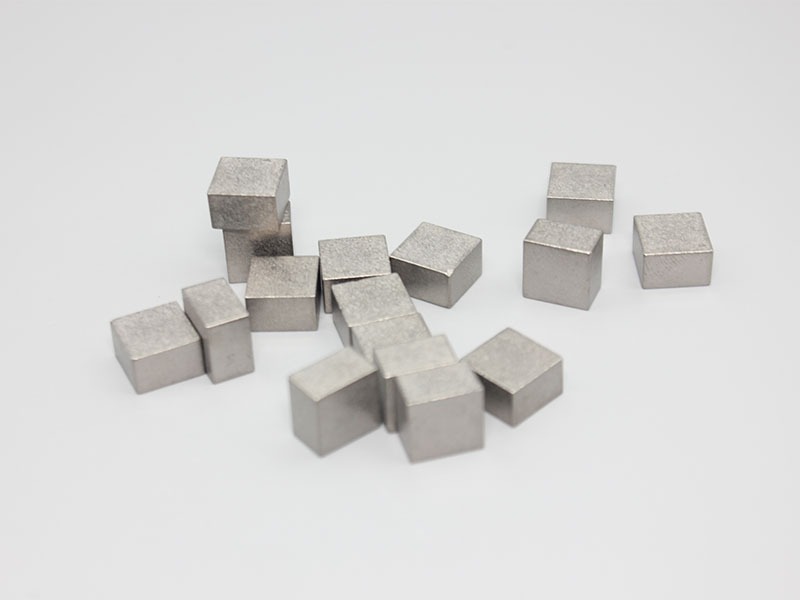
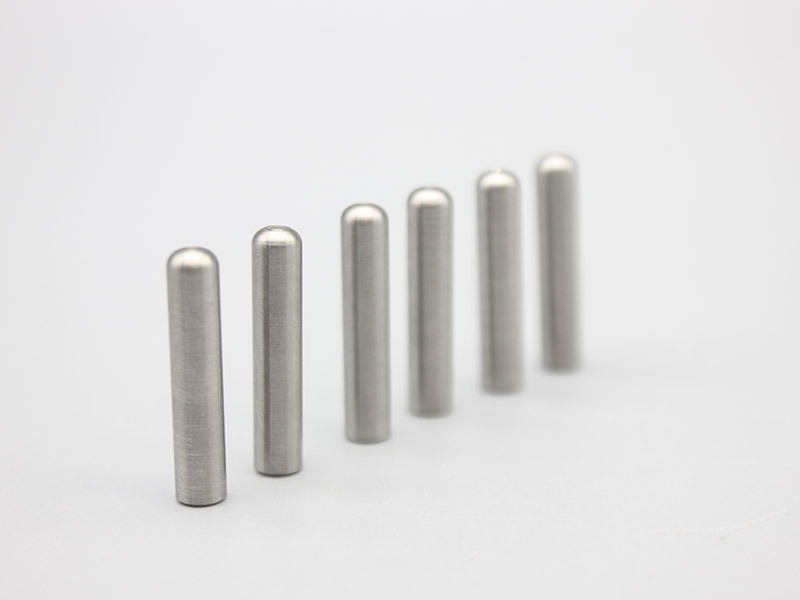
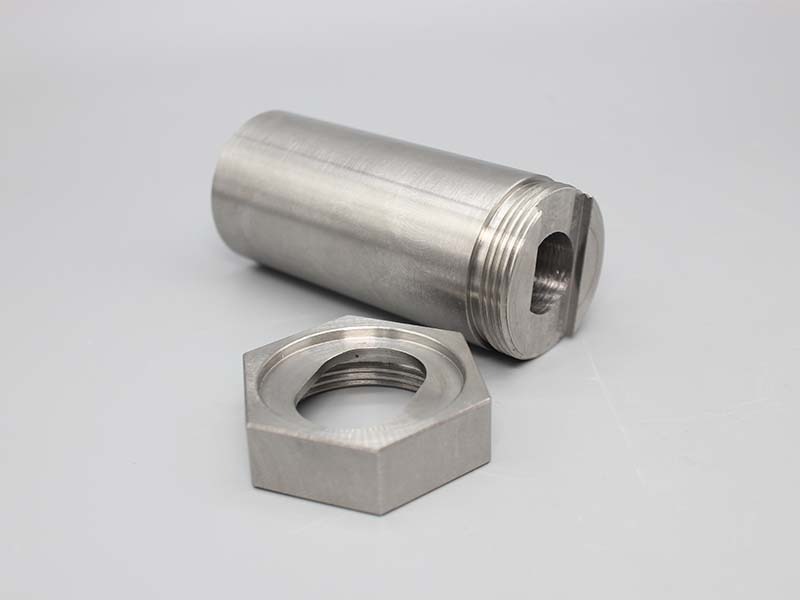
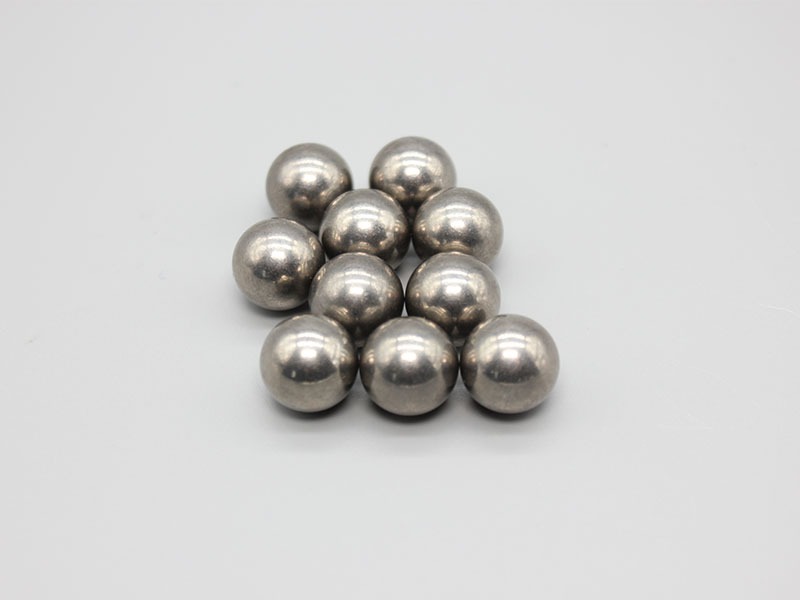
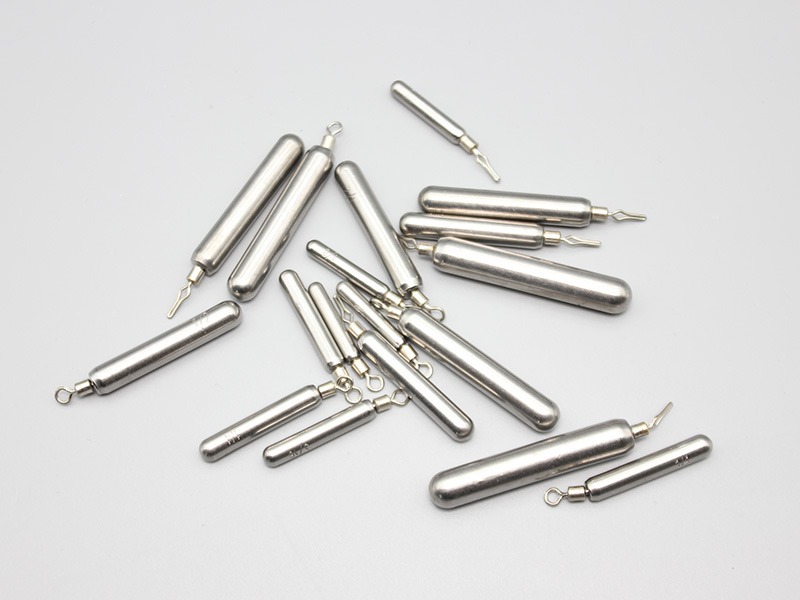
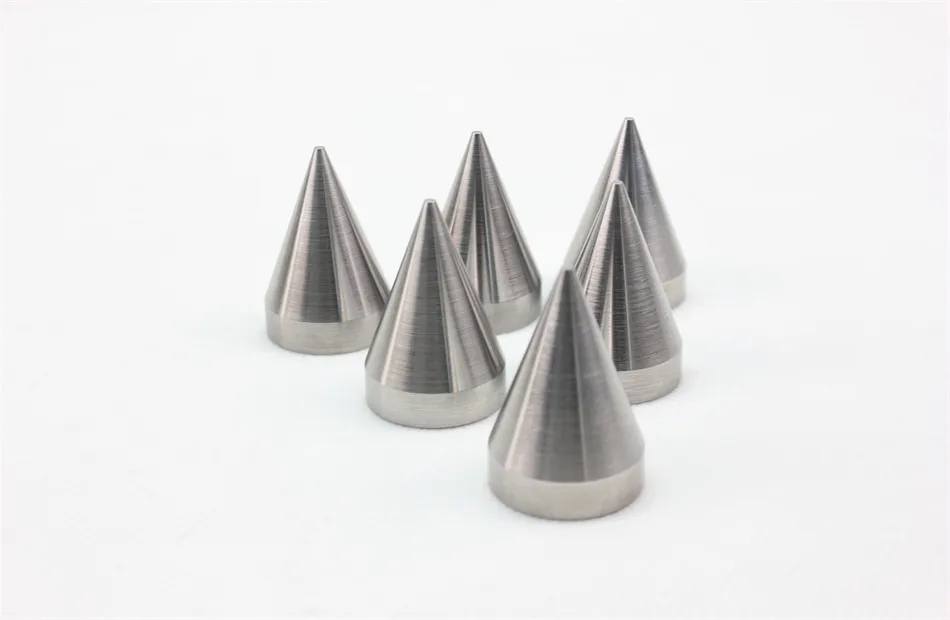
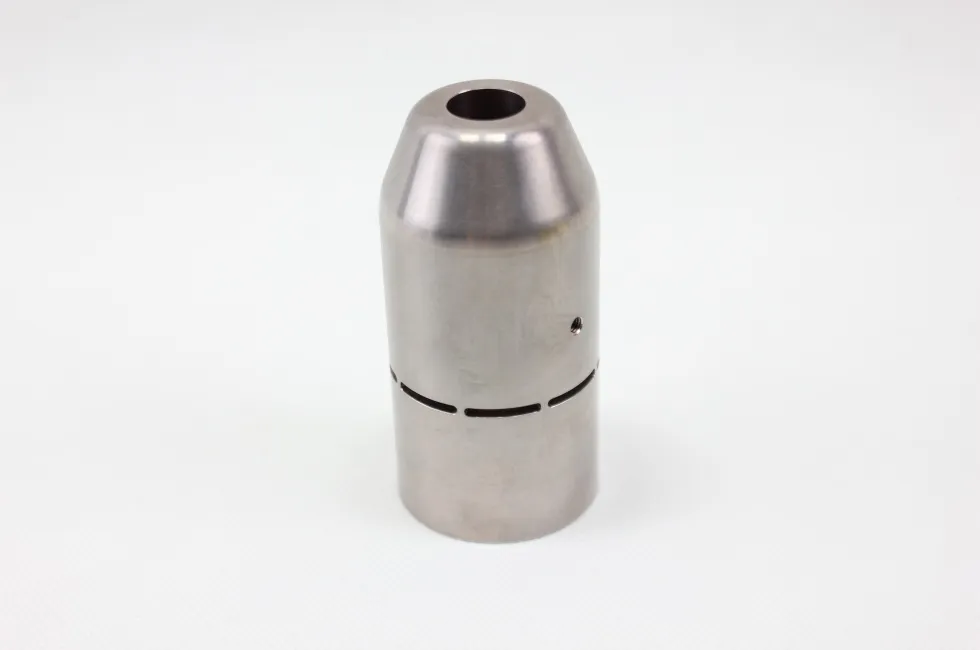
Jiuding tungsten heavy metal has become an important material in industries manufacturing compact and lightweight yet robust items. Its tensile strength and relative flexibility provide good performance in aerospace devices and instruments, where precision is paramount. The heat-resistance and low thermal expansion of the alloy facilitate operational precision while minimizing deformation. It is also considered a high-performance option in rotating machinery experiencing high energy-translation speeds and mechanical vibration.
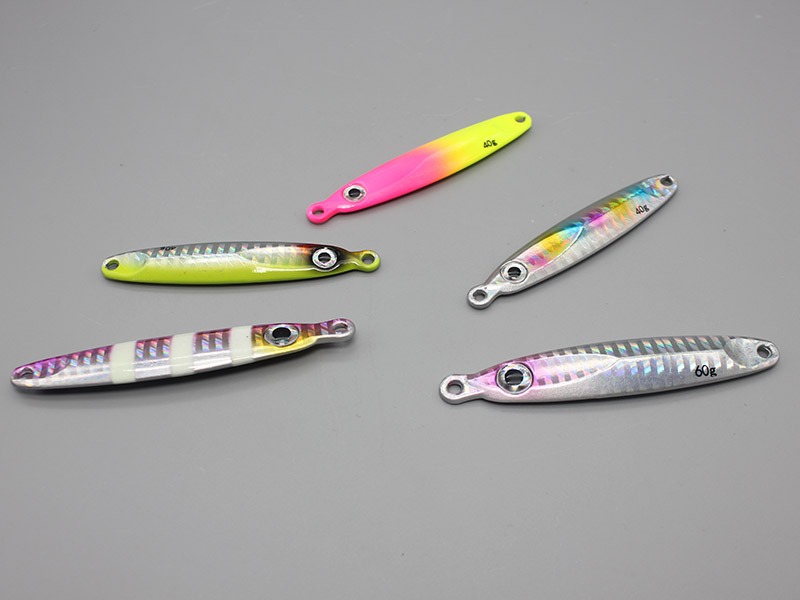
Vibration-damping applications implement Jiuding tungsten heavy metal in high-precision and high-value manufacturing. Manufacturing machinery, engaged for semiconductor or optics applications, utilize the alloy in base mounts and balancing plates. The weight of the material mitigates anti-resonance and enforces accuracy in very delicate product manufacturing where stability is critical.
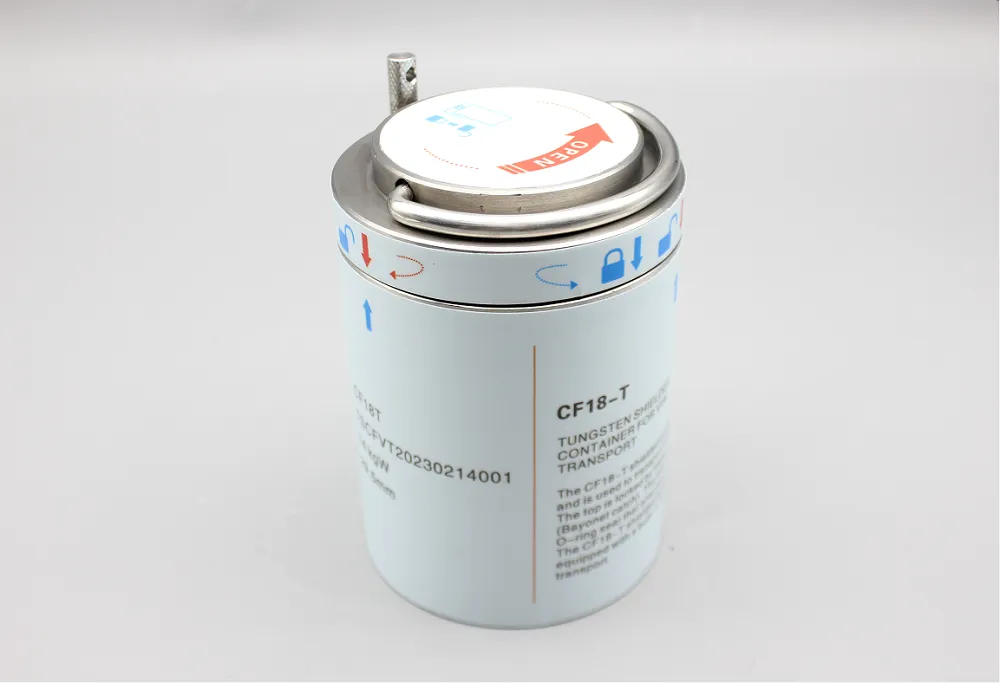
The future development of Jiuding tungsten heavy metal will concentrate on higher thermal performance and greater sustainability in applications. It is expected that new production methods will reduce carbon emissions during processing, and innovations in micro-alloying will provide higher strength and fatigue resistance. Further incorporation into next-generation nuclear reactors and fusion will also continue.
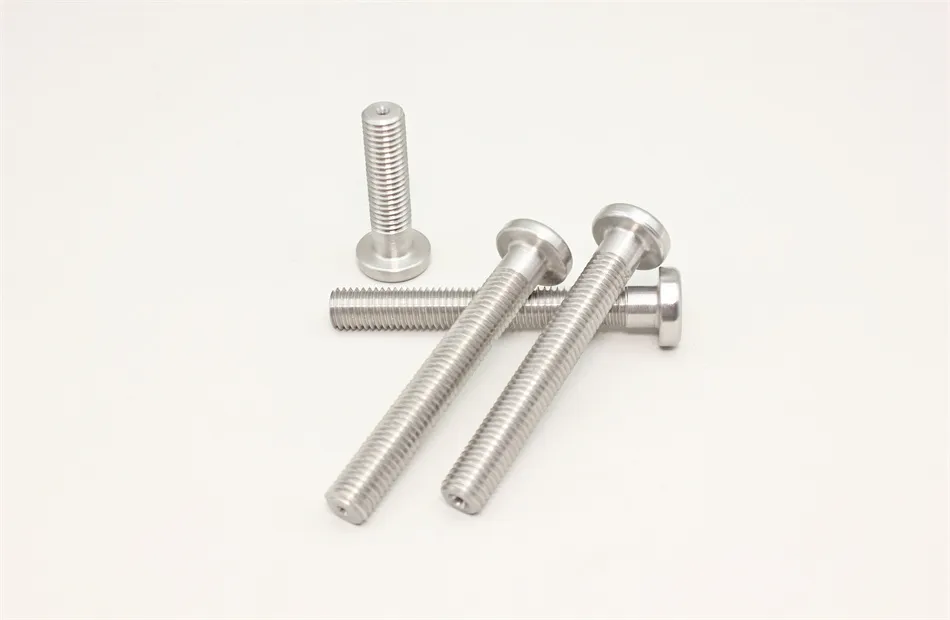
Maintenance of Jiuding tungsten heavy metal involves keeping components dry and free from contaminants. Lubrication may be employed on contact surfaces to reduce friction and wear in industrial applications. Protective coatings should be applied for long-term storage to minimize the risk of oxidation due to humidity and chemicals.
Due to its moderately high melting point combined with toughness, Jiuding tungsten heavy metal performs well under extreme conditions. Commonly it has uses in radiation shielding, medical devices, and military hardware. The strength and stability provided from Jiuding tungsten heavy metal make it an obvious choice for precision applications.
Q: How does Tungsten heavy alloy differ from pure tungsten? A: While pure tungsten is brittle, Tungsten heavy alloy has improved ductility and strength due to the addition of metal binders like nickel or iron. Q: Why is Tungsten heavy alloy used in medical imaging devices? A: It provides excellent radiation attenuation while maintaining compactness, ensuring precision and safety in X-ray and CT applications. Q: How durable is Tungsten heavy alloy in long-term use? A: It offers excellent wear and corrosion resistance, ensuring long-lasting performance in industrial and defense systems. Q: Can Tungsten heavy alloy be welded or joined easily? A: Yes, it can be joined using brazing or mechanical methods, though proper temperature control is required to maintain structural stability. Q: What role does Tungsten heavy alloy play in the defense industry? A: It is used for armor-piercing projectiles, kinetic energy penetrators, and vibration damping in high-performance military equipment.
The Tungsten heavy alloy provides solid consistency in production; every piece meets our exact requirements.
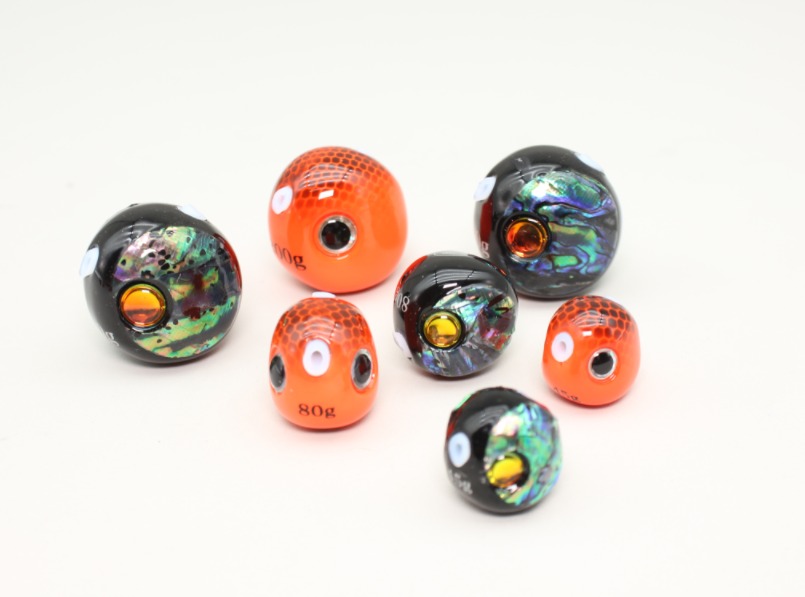
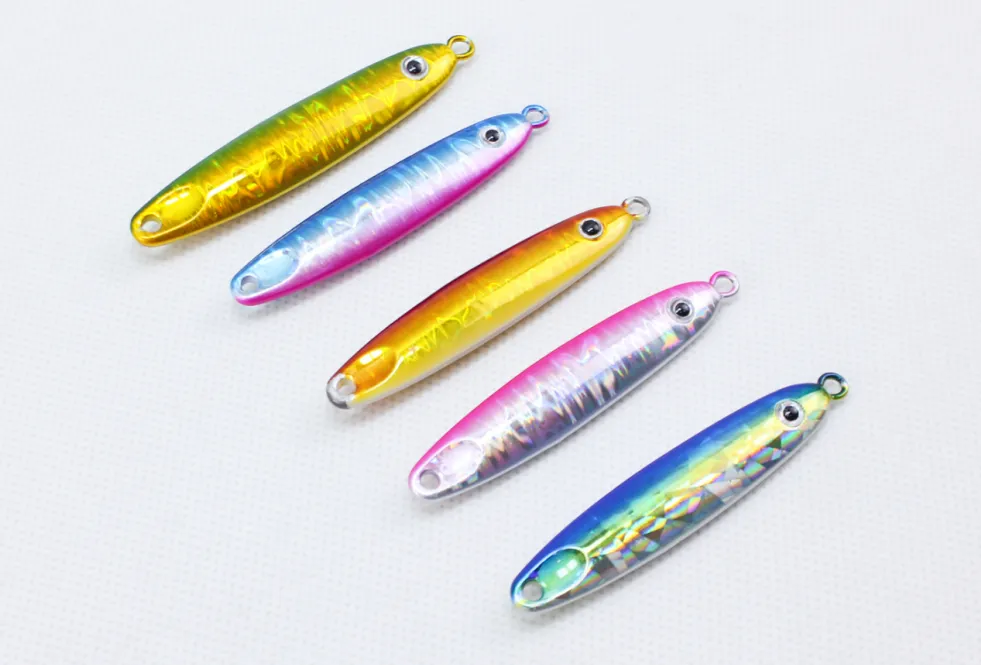
The craftsmanship of the tungsten jig is excellent — it reacts quickly to every move of the rod.
To protect the privacy of our buyers, only public service email domains like Gmail, Yahoo, and MSN will be displayed. Additionally, only a limited portion of the inquiry content will be shown.
Our aerospace division is sourcing tungsten heavy alloy counterweights. Please confirm density, tole...
I’m interested in your tungsten jig models used for saltwater fishing. Please share your catalog a...
Copyright © Zhuzhou Jiuding Metal Technology Co., Ltd. All Rights Reserved
 EN
EN AR
AR FR
FR DE
DE HI
HI IT
IT JA
JA KO
KO PT
PT RU
RU ES
ES ID
ID LV
LV VI
VI HU
HU MS
MS GA
GA BE
BE YI
YI EU
EU