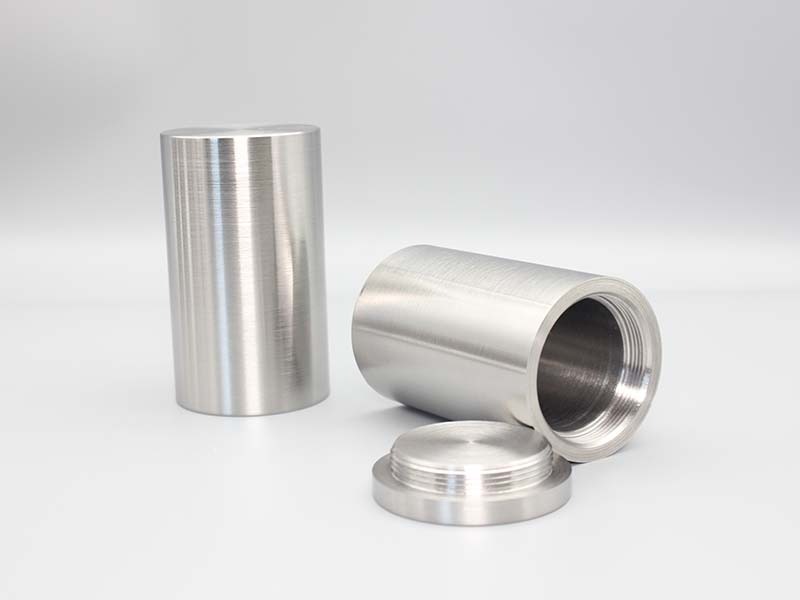
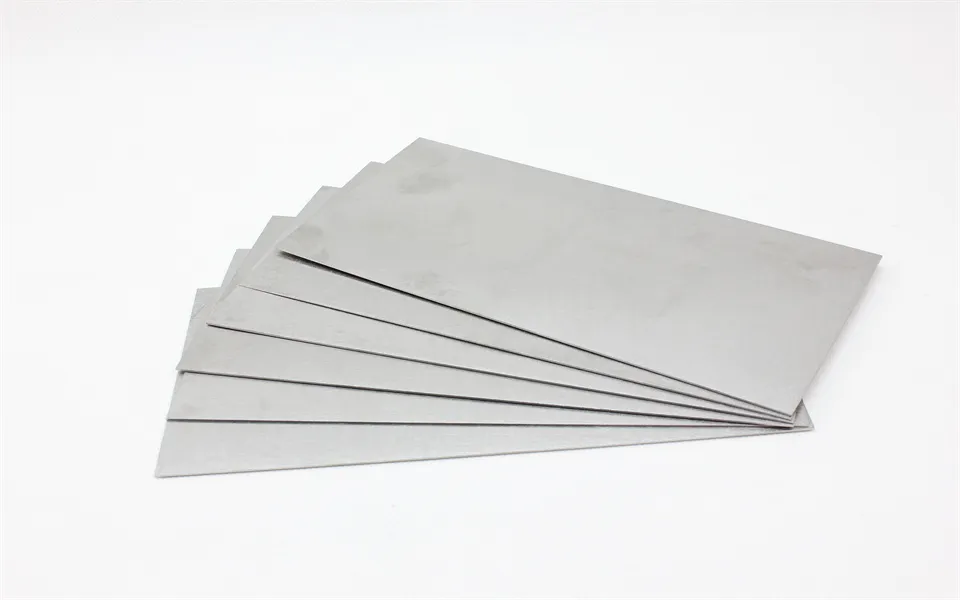
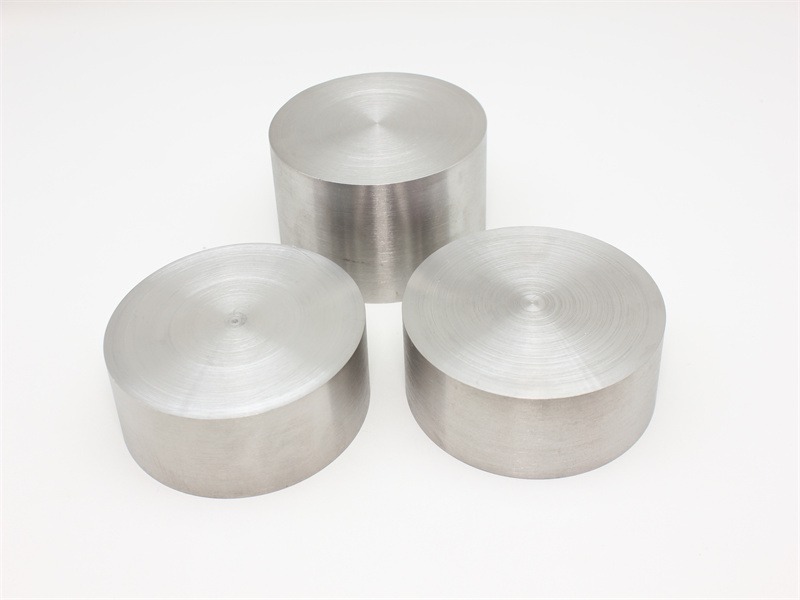
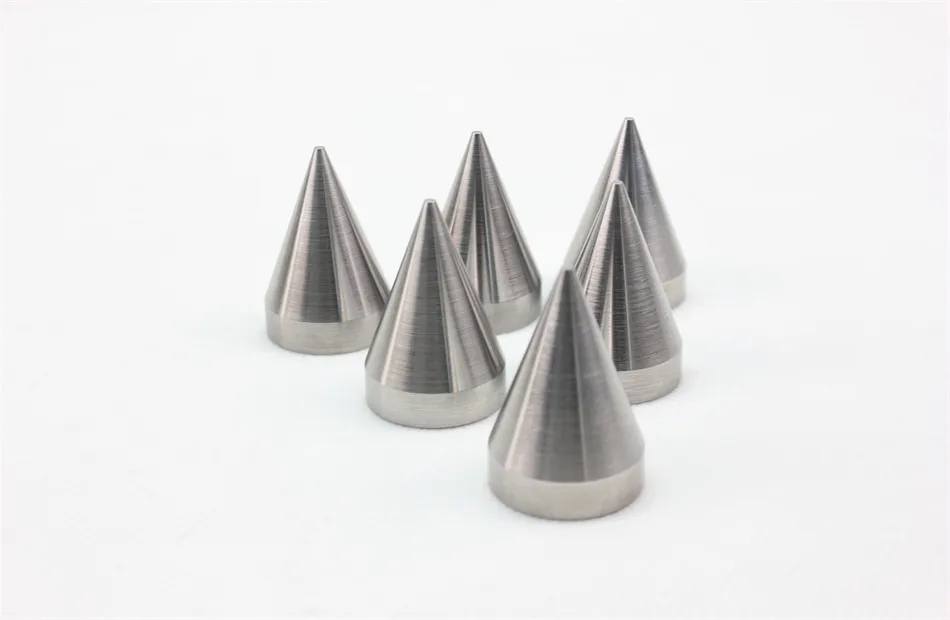
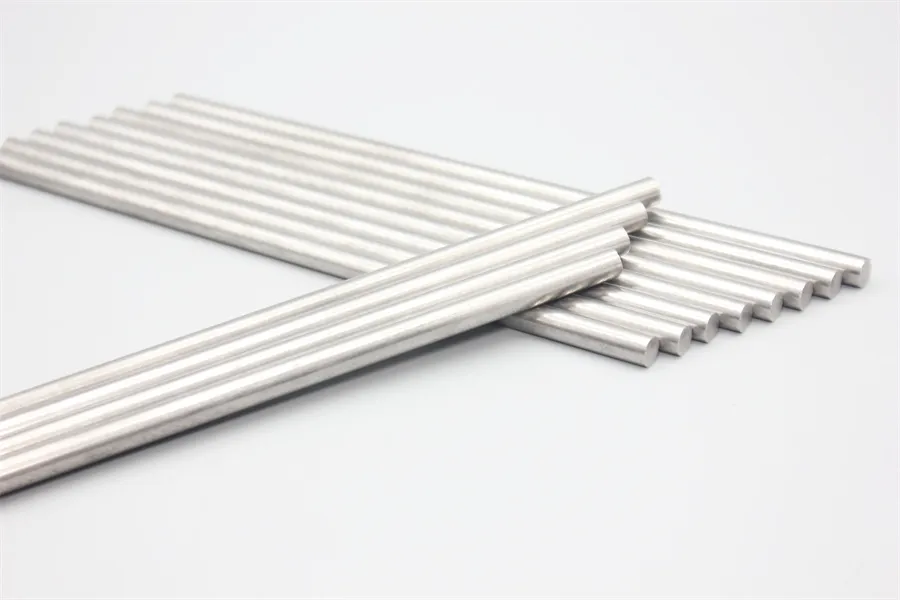
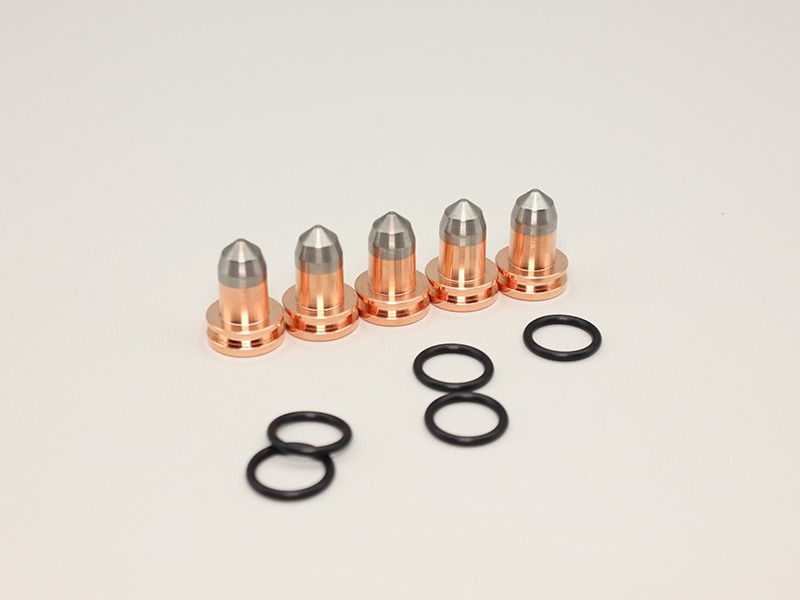
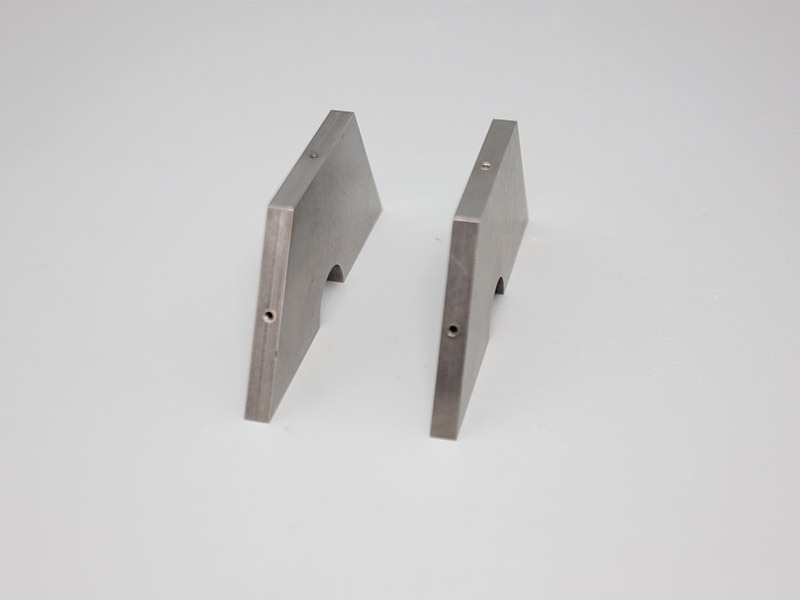
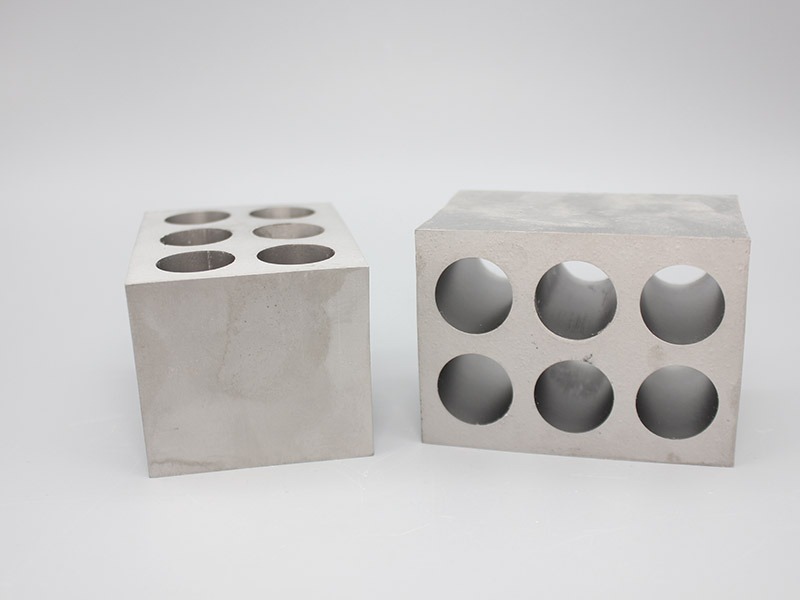
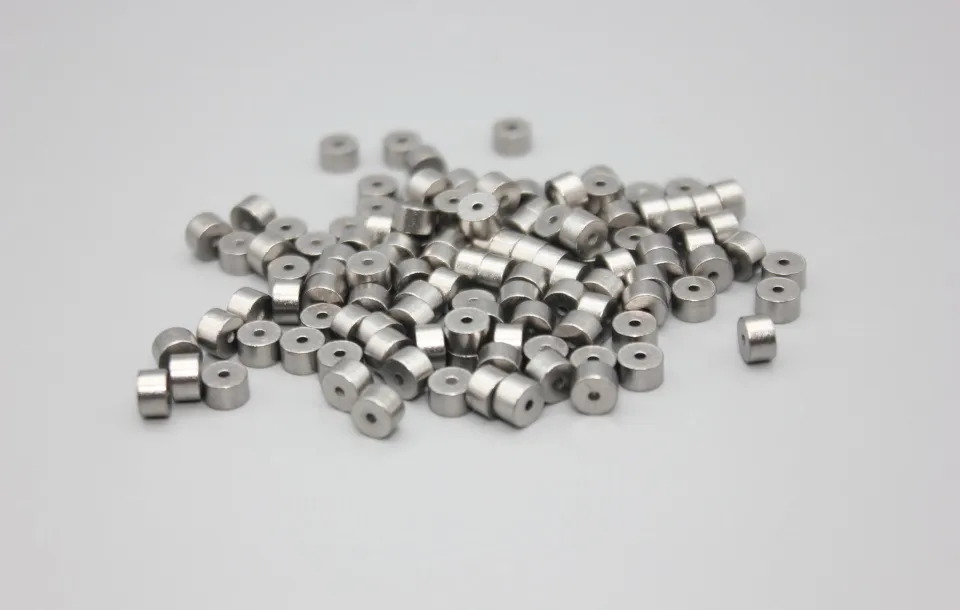
heavy tungsten alloy ball gives the advantage of being extremely hard and at the same time readily machinable, thus providing excellent resistance to both wear and impact. It finds application in military, aerospace, and medical industries for parts which are exposed to the forces of vibration, radiation, and so on. The material's uniform density is the reason for predictable behavior which in turn is the basis for engineers to make smaller yet stronger components that will work reliably in difficult operational conditions.
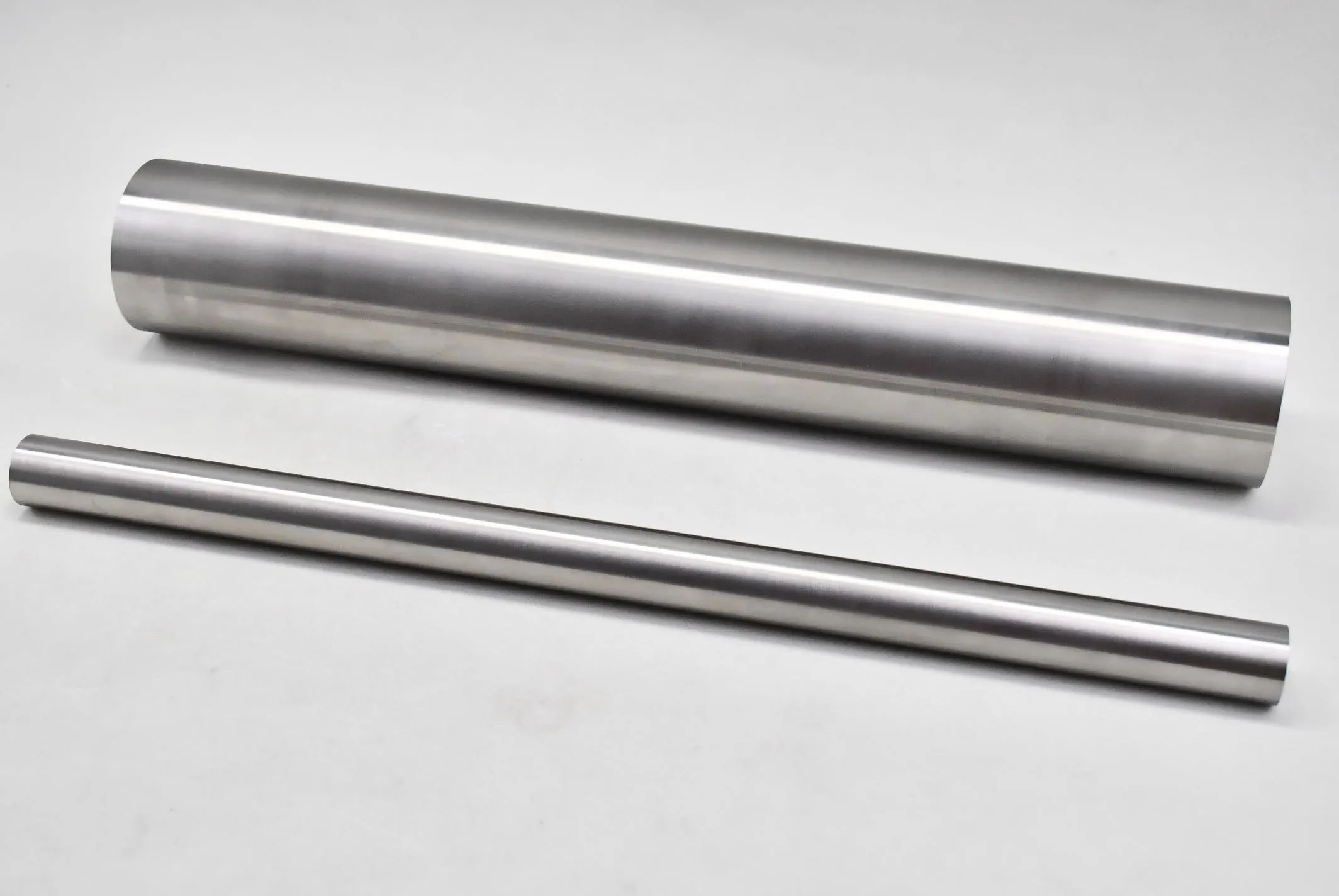
In the oil and gas exploration industry, heavy tungsten alloy ball is utilized in drill collars, logging tools, and downhole weights. Its density provides tool stability and correct placement deep underground. The alloy also exhibits corrosion activity from challenging drilling fluids and high-pressure environments, providing long life and consistent drilling accuracy.
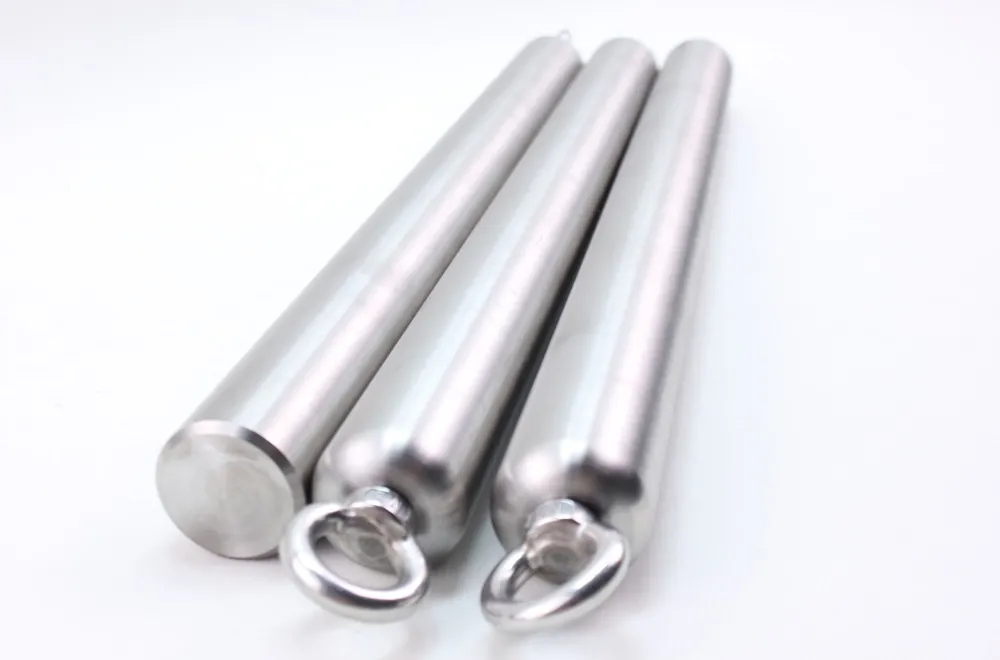
In the future, heavy tungsten alloy ball will find applications that include AI-assisted design, where automated manufacturing will provide precise customization, desirable for aerospace, robotics, and medical devices. It will be a valuable component in systems that depend on especially consistent performance in severe thermal and mechanical conditions.

Maintenance of heavy tungsten alloy ball involves keeping components dry and free from contaminants. Lubrication may be employed on contact surfaces to reduce friction and wear in industrial applications. Protective coatings should be applied for long-term storage to minimize the risk of oxidation due to humidity and chemicals.
Due to its moderately high melting point combined with toughness, heavy tungsten alloy ball performs well under extreme conditions. Commonly it has uses in radiation shielding, medical devices, and military hardware. The strength and stability provided from heavy tungsten alloy ball make it an obvious choice for precision applications.
Q: How does Tungsten heavy alloy differ from pure tungsten? A: While pure tungsten is brittle, Tungsten heavy alloy has improved ductility and strength due to the addition of metal binders like nickel or iron. Q: Why is Tungsten heavy alloy used in medical imaging devices? A: It provides excellent radiation attenuation while maintaining compactness, ensuring precision and safety in X-ray and CT applications. Q: How durable is Tungsten heavy alloy in long-term use? A: It offers excellent wear and corrosion resistance, ensuring long-lasting performance in industrial and defense systems. Q: Can Tungsten heavy alloy be welded or joined easily? A: Yes, it can be joined using brazing or mechanical methods, though proper temperature control is required to maintain structural stability. Q: What role does Tungsten heavy alloy play in the defense industry? A: It is used for armor-piercing projectiles, kinetic energy penetrators, and vibration damping in high-performance military equipment.
I’ve used the tungsten jig for months, and its weight balance makes it super easy to control even in deep spots.
The craftsmanship of the tungsten jig is excellent — it reacts quickly to every move of the rod.
To protect the privacy of our buyers, only public service email domains like Gmail, Yahoo, and MSN will be displayed. Additionally, only a limited portion of the inquiry content will be shown.
Our aerospace division is sourcing tungsten heavy alloy counterweights. Please confirm density, tole...
We are a machining parts supplier seeking tungsten heavy alloy rods for precision components. Kindly...
Copyright © Zhuzhou Jiuding Metal Technology Co., Ltd. All Rights Reserved
 EN
EN AR
AR FR
FR DE
DE HI
HI IT
IT JA
JA KO
KO PT
PT RU
RU ES
ES ID
ID LV
LV VI
VI HU
HU MS
MS GA
GA BE
BE YI
YI EU
EU