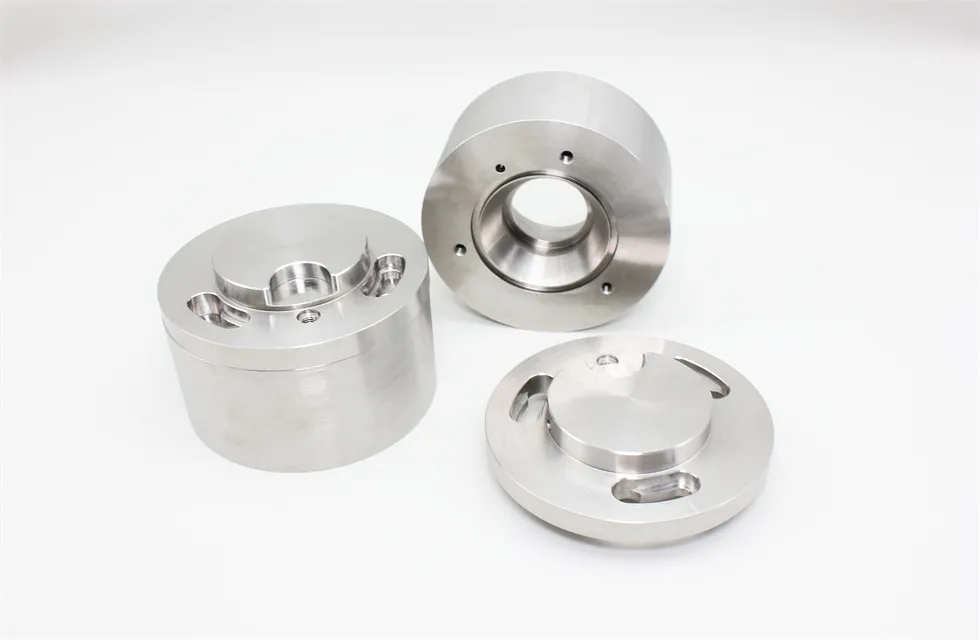
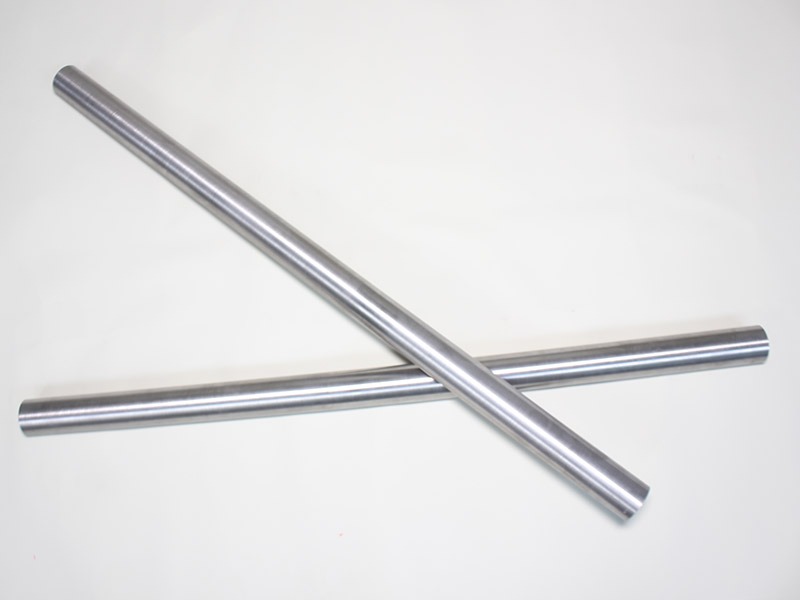
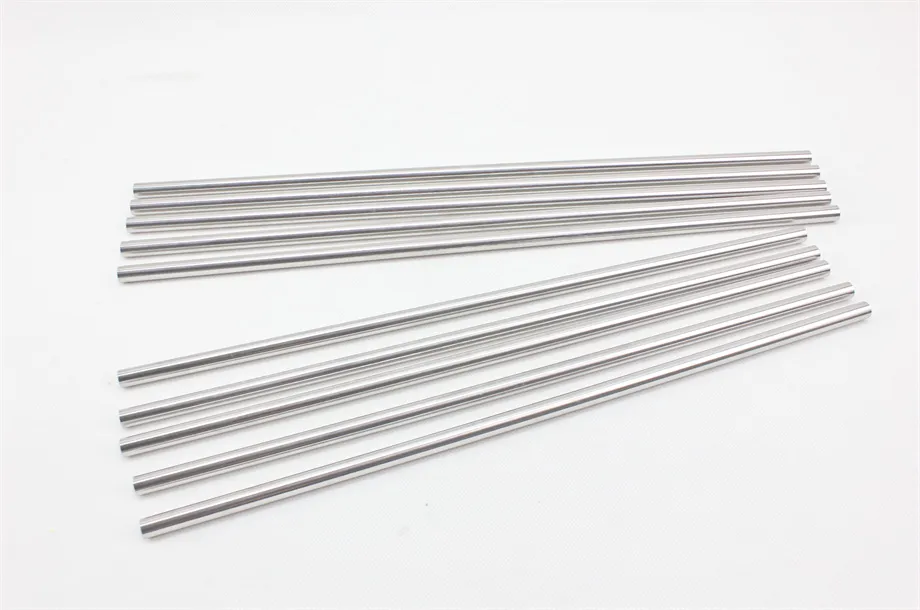
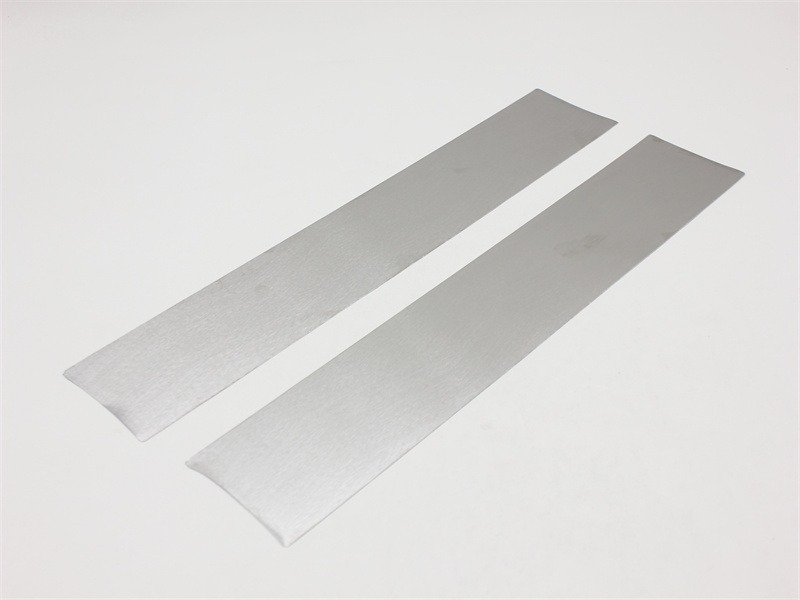
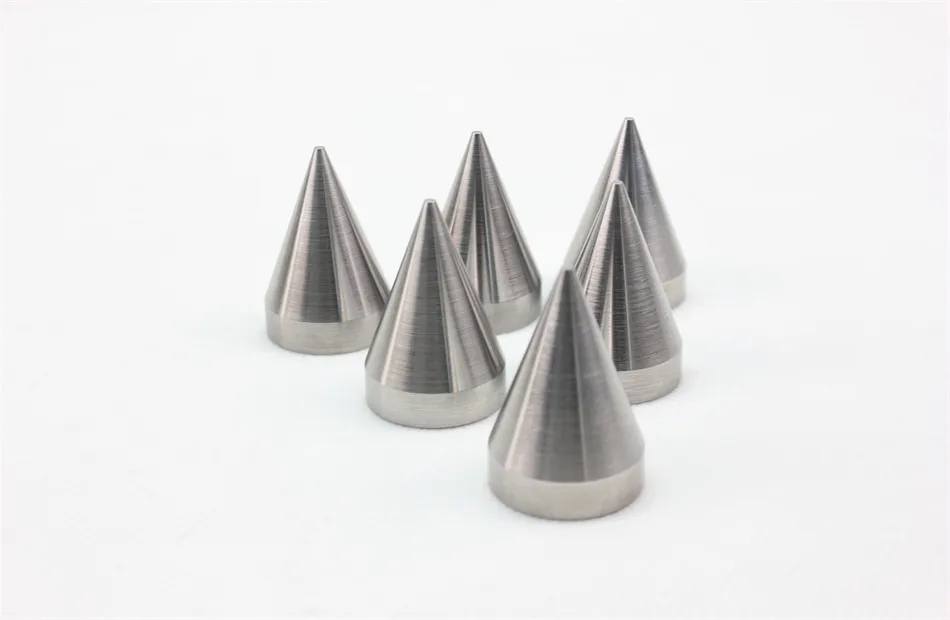
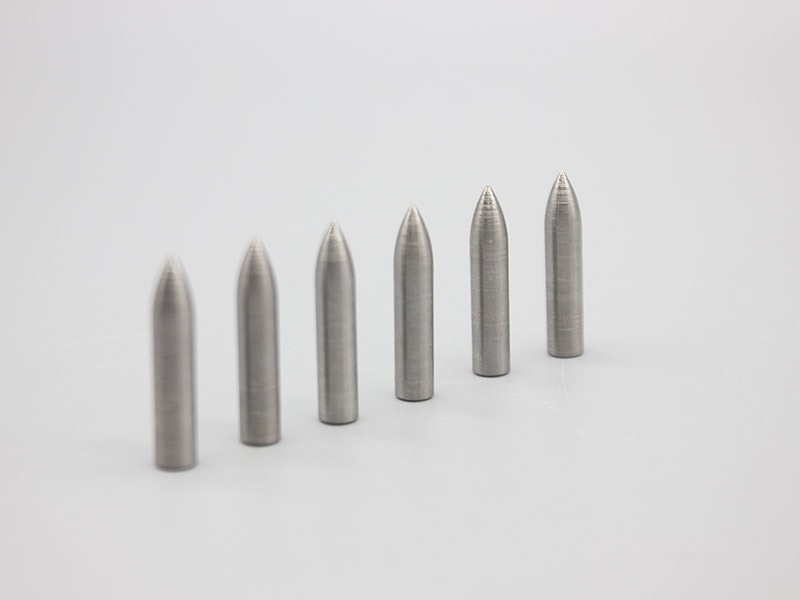
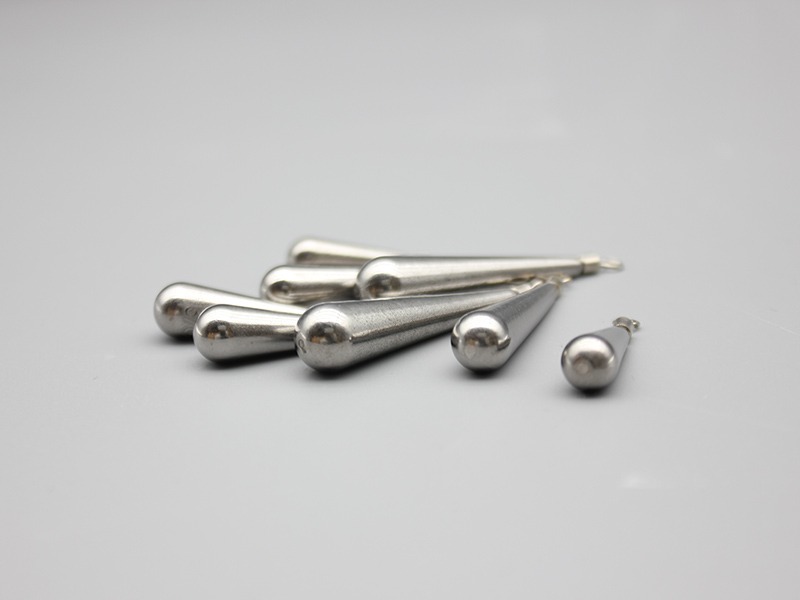
With the change in industrial technologies, Jiuding tungsten nickel iron is still the material of choice for those parts that need both bulk and strength. Its high melting point and low plasticity make it an able performer during stress that is extreme and yet it remains precise in its dimensions. This is why engineers use it for making vibration absorbers, aircraft components, and kinetic energy penetrators. The coexistence of hardness and ductility guarantees a long operational lifetime, thus, making Jiuding tungsten nickel iron a necessary input in high-performance engineering applications.
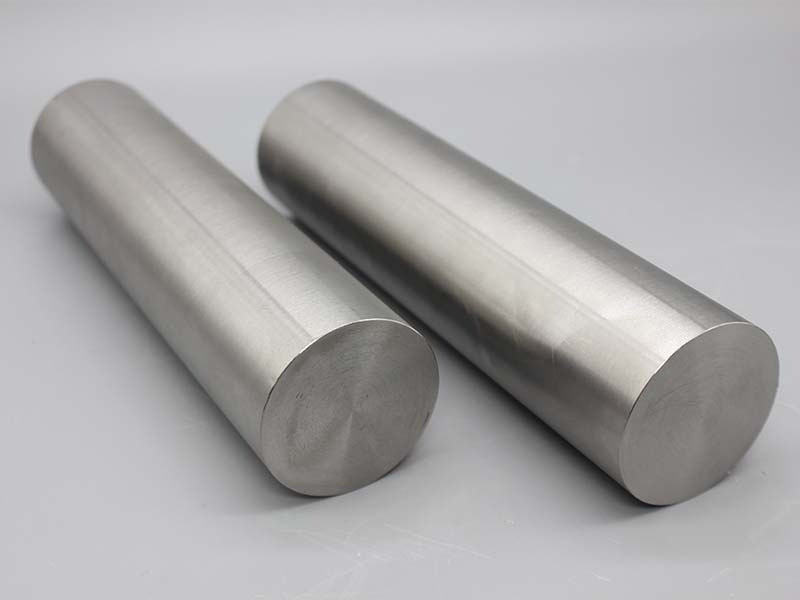
In the oil and gas exploration industry, Jiuding tungsten nickel iron is utilized in drill collars, logging tools, and downhole weights. Its density provides tool stability and correct placement deep underground. The alloy also exhibits corrosion activity from challenging drilling fluids and high-pressure environments, providing long life and consistent drilling accuracy.
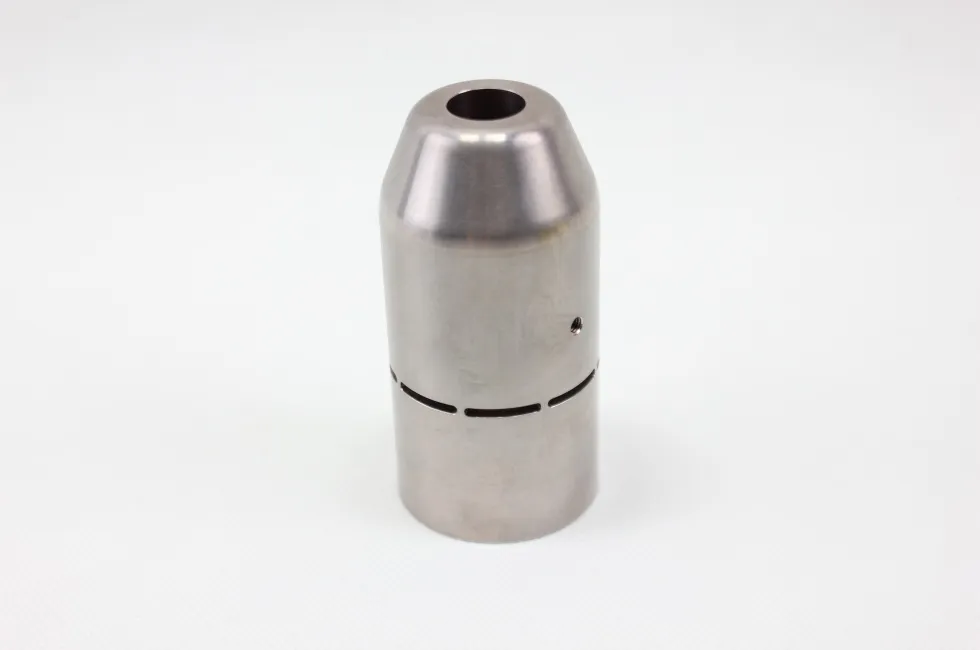
As an industry advances to increasingly perform better, Jiuding tungsten nickel iron will see great depth of use in precision control systems, drones, and renewable power generation applications. Researchers are evolving sintering techniques that reduce material size and provide better designs based on fatigue criteria while being lightweight.
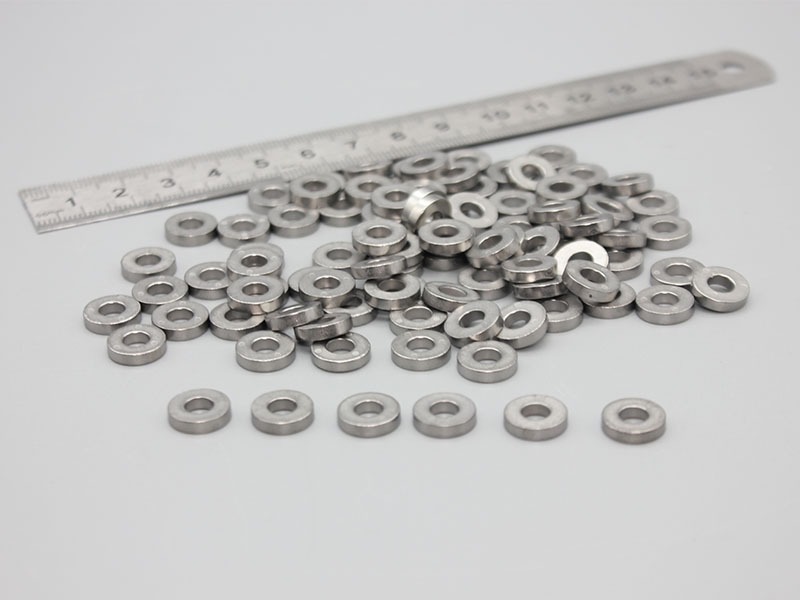
After each operational activity, Jiuding tungsten nickel iron must be cleaned and thoroughly dried. Application of a thin film of oil will help enhance corrosion resistance. Store in locations away from the sun and chemicals that promote corrosion, in order to maintain observable mechanical properties and original density characteristics of the Jiuding tungsten nickel iron.
Jiuding tungsten nickel iron is specifically designed for high performance applications, combining hardness with good machinability. Common applications include for counter weights, ballistic applications, and vibration damping structures. The consistent physical properties of the material provide a high level of precision and durability in a final product.
Q: What makes Tungsten heavy alloy essential in engineering applications? A: Tungsten heavy alloy is essential because of its exceptional density, hardness, and thermal stability, making it reliable for use in high-performance mechanical and structural components. Q: How is Tungsten heavy alloy produced? A: It is made through powder metallurgy, where tungsten powder is blended with nickel, iron, or copper and sintered at high temperatures to form a compact, durable alloy. Q: Why is Tungsten heavy alloy suitable for aerospace industries? A: Its superior weight distribution and resistance to thermal stress make it perfect for use in counterbalances, rotor systems, and aircraft control components. Q: Can Tungsten heavy alloy be machined easily? A: While it is very dense and hard, it can be precisely machined using specialized tools designed for high-strength materials. Q: In which fields is Tungsten heavy alloy commonly applied? A: It is widely used in defense, medical imaging, oil drilling, aerospace, and industrial balancing systems.
The Tungsten heavy alloy handles extreme pressure and heat better than most metals I’ve used.
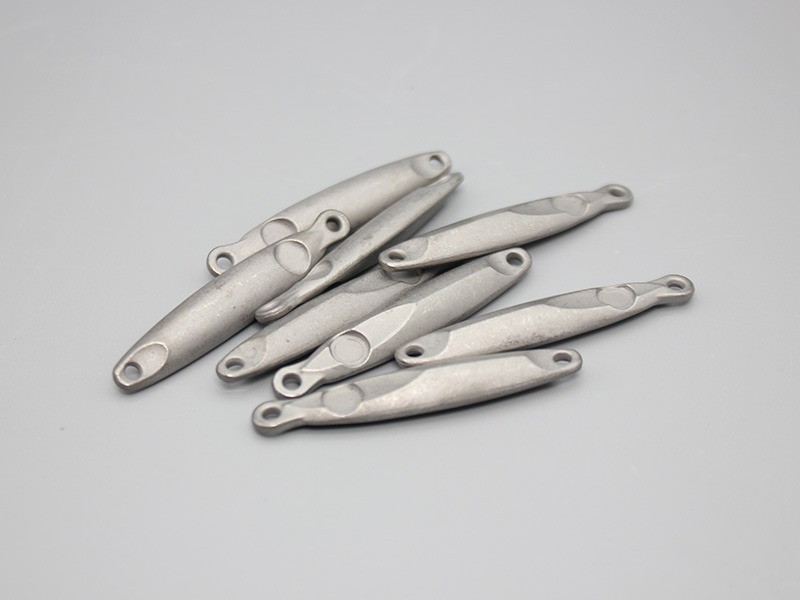
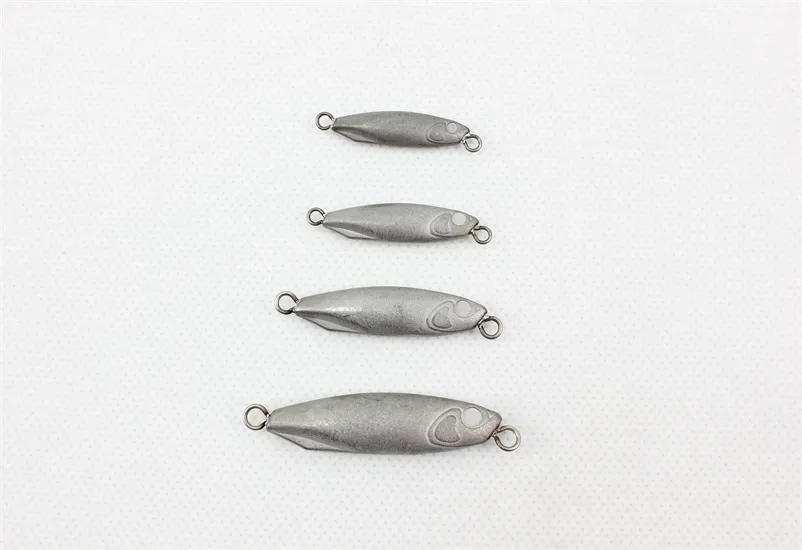
The tungsten jig feels incredibly durable — I’ve caught dozens of fish, and it still looks new.
To protect the privacy of our buyers, only public service email domains like Gmail, Yahoo, and MSN will be displayed. Additionally, only a limited portion of the inquiry content will be shown.
We are looking for high-density tungsten jig for our upcoming fishing gear line. Could you please se...
We operate a fishing tackle store and want to stock tungsten jig. Please send details on bulk pricin...
Copyright © Zhuzhou Jiuding Metal Technology Co., Ltd. All Rights Reserved
 EN
EN AR
AR FR
FR DE
DE HI
HI IT
IT JA
JA KO
KO PT
PT RU
RU ES
ES ID
ID LV
LV VI
VI HU
HU MS
MS GA
GA BE
BE YI
YI EU
EU