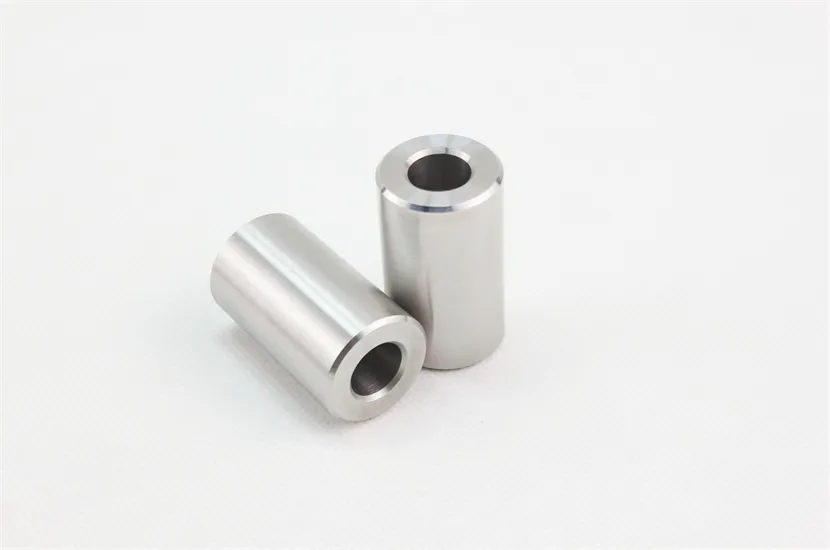
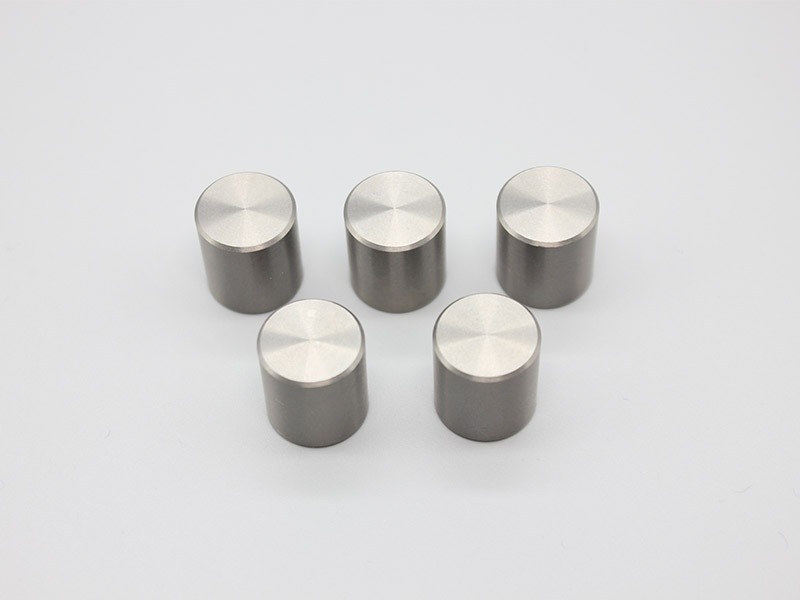
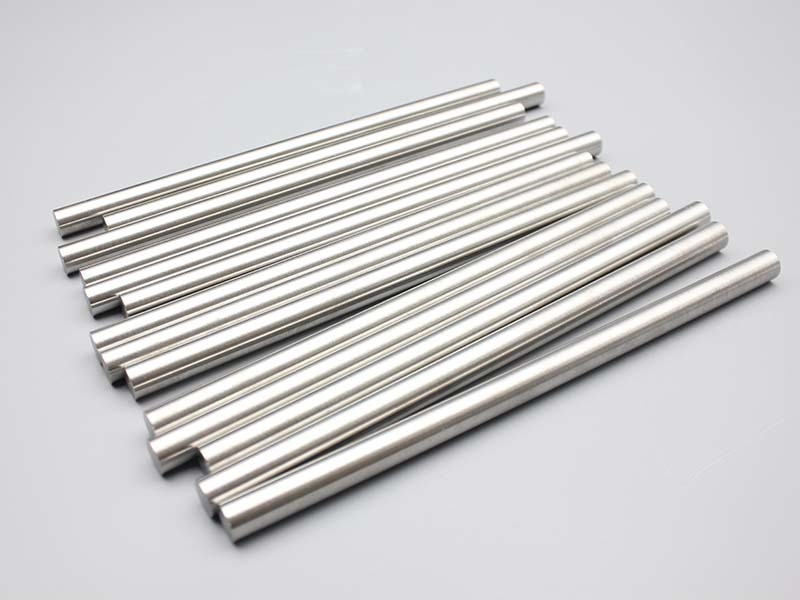
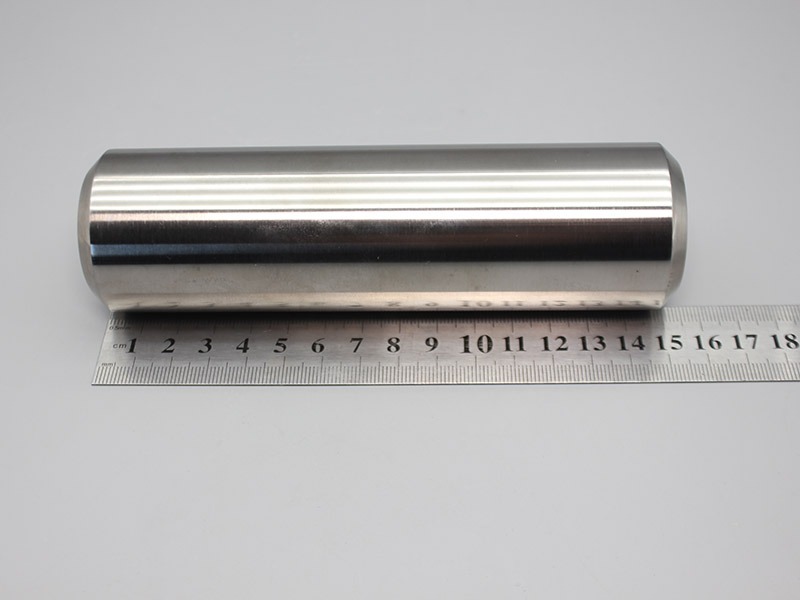
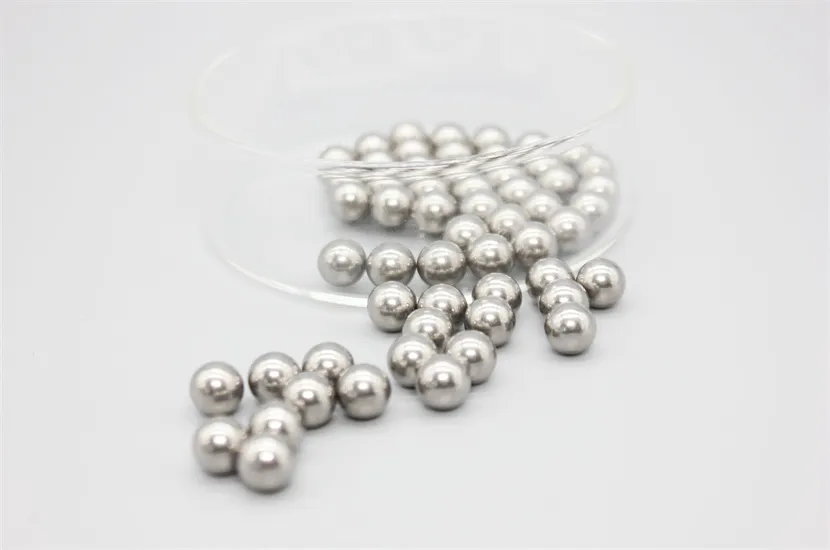
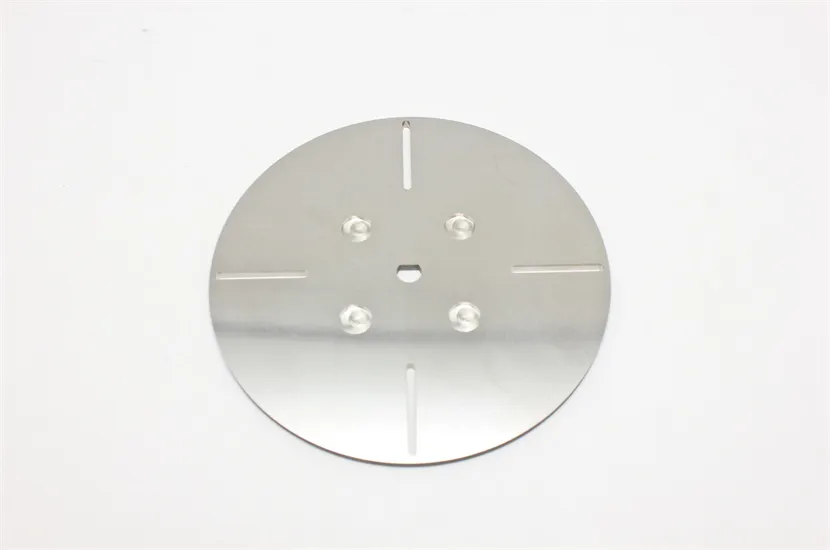
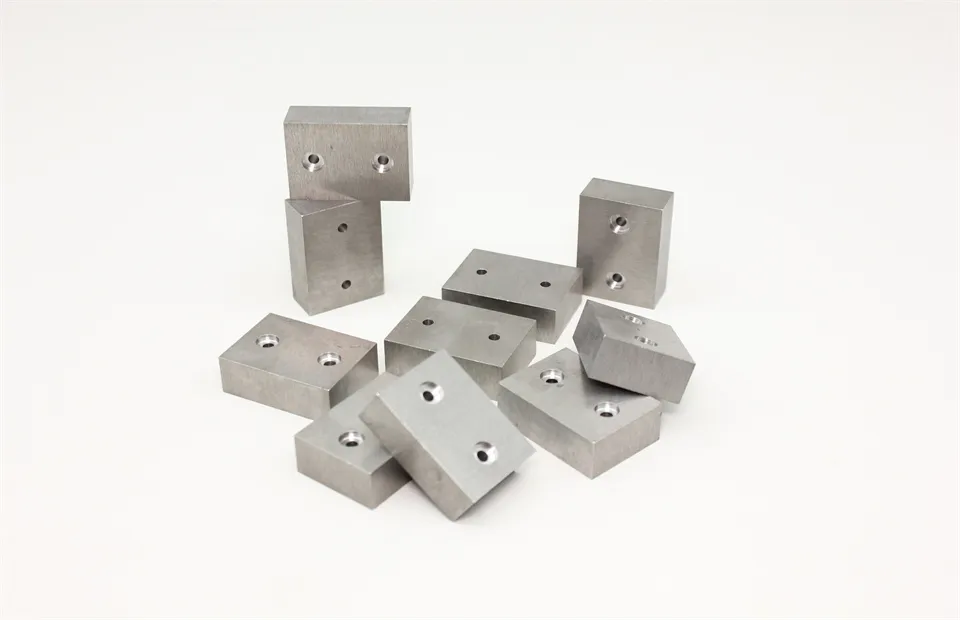
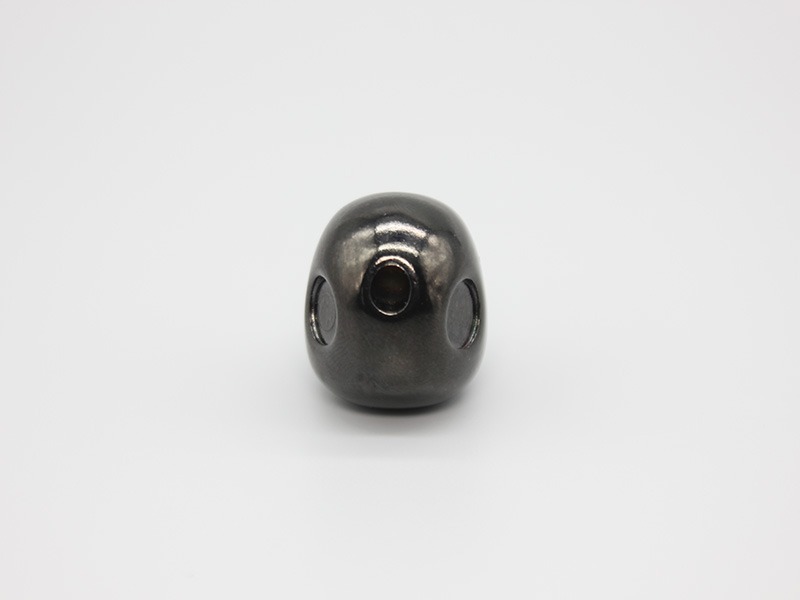
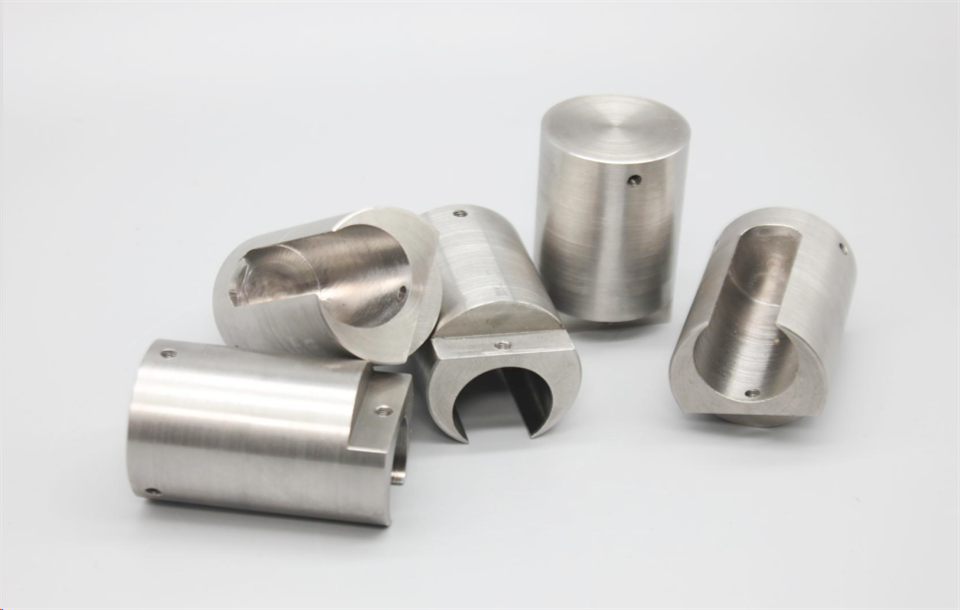
tungsten heavy alloys showcases a remarkable mixture of power, flexibility, and thermal fatigue resistance. It is able to endure high pressure and very high temperatures getting neither through mechanical consistency. The aforementioned properties are a reason for its usage in the aerospace industry, particularly in flight control systems, radiations, and oil drilling. Besides that, its long-term dimensional accuracy cuts down on maintenance frequency while at the same time guaranteeing the quality of output.
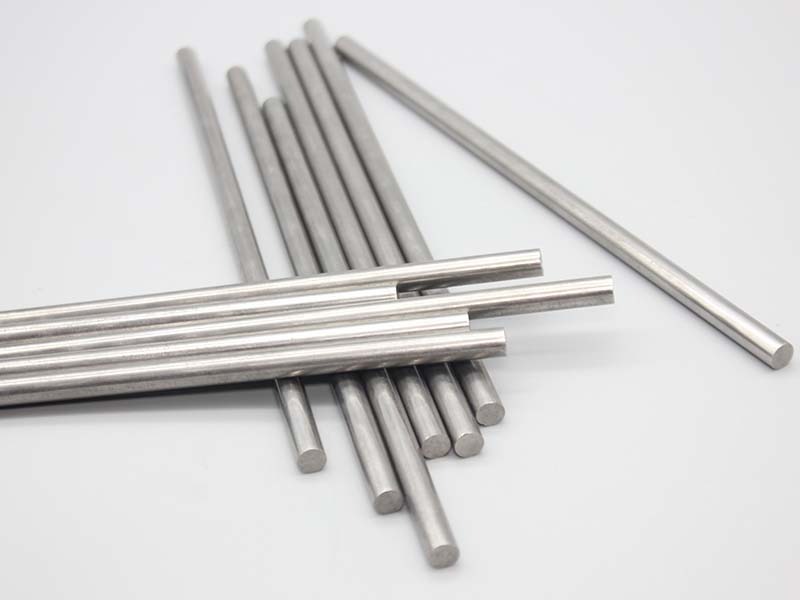
In the oil and gas exploration industry, tungsten heavy alloys is utilized in drill collars, logging tools, and downhole weights. Its density provides tool stability and correct placement deep underground. The alloy also exhibits corrosion activity from challenging drilling fluids and high-pressure environments, providing long life and consistent drilling accuracy.

Accelerating technological miniaturization will ensure tungsten heavy alloys have a primary role in creating small, high-precision components. Its thermal management capability will allow micro-electronic devices, and its dependability will grant advantages to industries like robotics, aerospace, and defense; all of which are concerned with extreme accuracy.
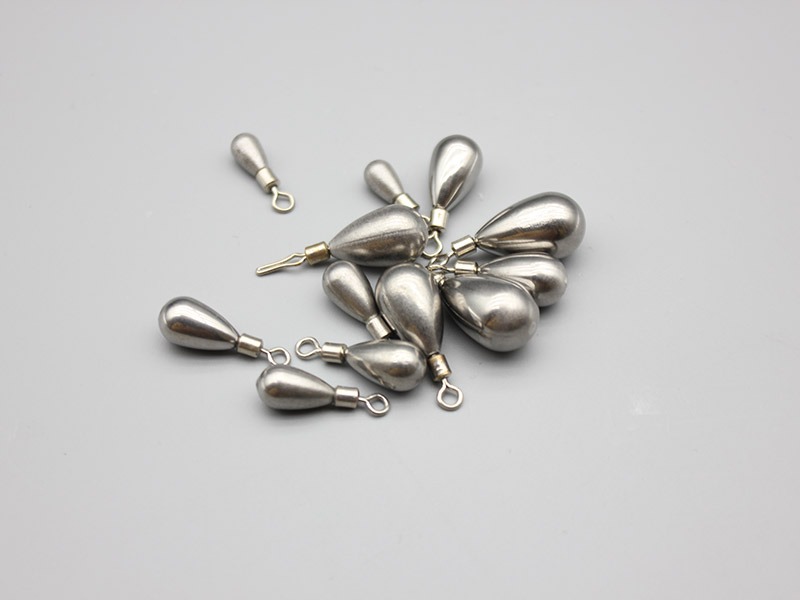
To extend the life cycle of tungsten heavy alloys, do not apply excessive force to avoid impact damage which can produce micro-cracks in the ground surface. Periodic polishing, particularly in the application of precision tools for surgery or sub-disciplines in medicine, can restore surface smoothness. Avoid contact and handling with reactive metals to minimize galvanic corrosion.
tungsten heavy alloys is a high-density material that is used in the aerospace, defense, and industrial sectors. Its strength, hardness, and wear resistance make it usable in environments where durability is needed and where weight distribution is compact. tungsten heavy alloys offers excellent radiation shielding and thermal stability and continues to perform in high-temperature and high-stress situations.
Q: What makes Tungsten heavy alloy valuable in balancing applications? A: Its high density allows accurate weight adjustment in small volumes, ensuring perfect balance in rotating machinery. Q: Is Tungsten heavy alloy corrosion-resistant? A: Yes, it shows strong resistance to oxidation and chemical corrosion, even in harsh environments. Q: How does Tungsten heavy alloy contribute to medical safety? A: It is used to shield radiation without releasing harmful substances, ensuring operator and patient protection. Q: Why is Tungsten heavy alloy used in kinetic energy penetrators? A: Its density and hardness allow it to transfer energy effectively on impact, making it ideal for defense-grade applications. Q: Can Tungsten heavy alloy be recycled efficiently? A: Yes, it can be fully recycled through refining and powder recovery, maintaining material integrity.
I appreciate that Tungsten heavy alloy is non-toxic yet just as heavy and stable as lead — a smart upgrade.
The Tungsten heavy alloy provides solid consistency in production; every piece meets our exact requirements.
To protect the privacy of our buyers, only public service email domains like Gmail, Yahoo, and MSN will be displayed. Additionally, only a limited portion of the inquiry content will be shown.
We operate a fishing tackle store and want to stock tungsten jig. Please send details on bulk pricin...
Our aerospace division is sourcing tungsten heavy alloy counterweights. Please confirm density, tole...
Copyright © Zhuzhou Jiuding Metal Technology Co., Ltd. All Rights Reserved
 EN
EN AR
AR FR
FR DE
DE HI
HI IT
IT JA
JA KO
KO PT
PT RU
RU ES
ES ID
ID LV
LV VI
VI HU
HU MS
MS GA
GA BE
BE YI
YI EU
EU