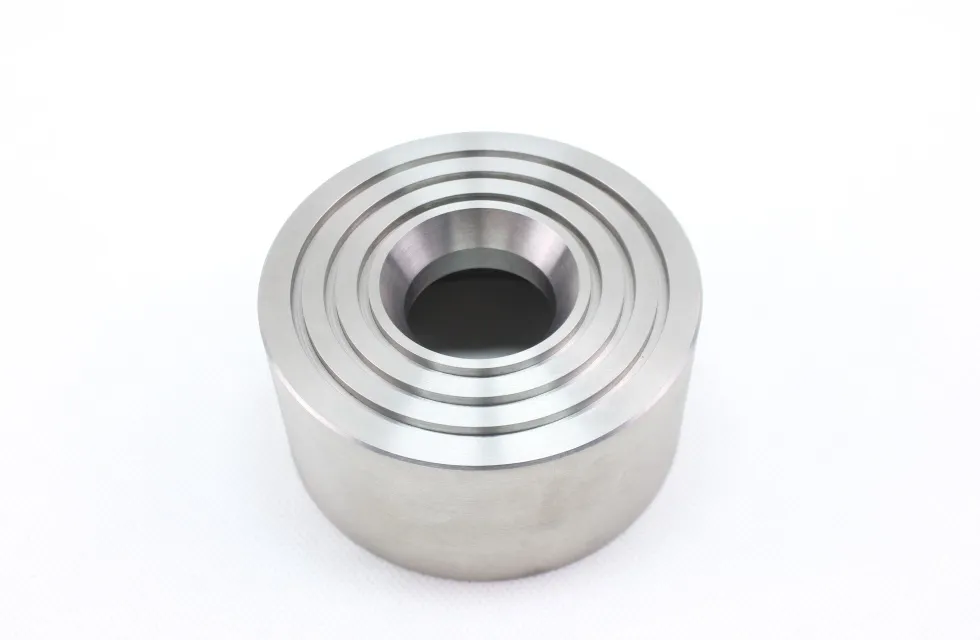
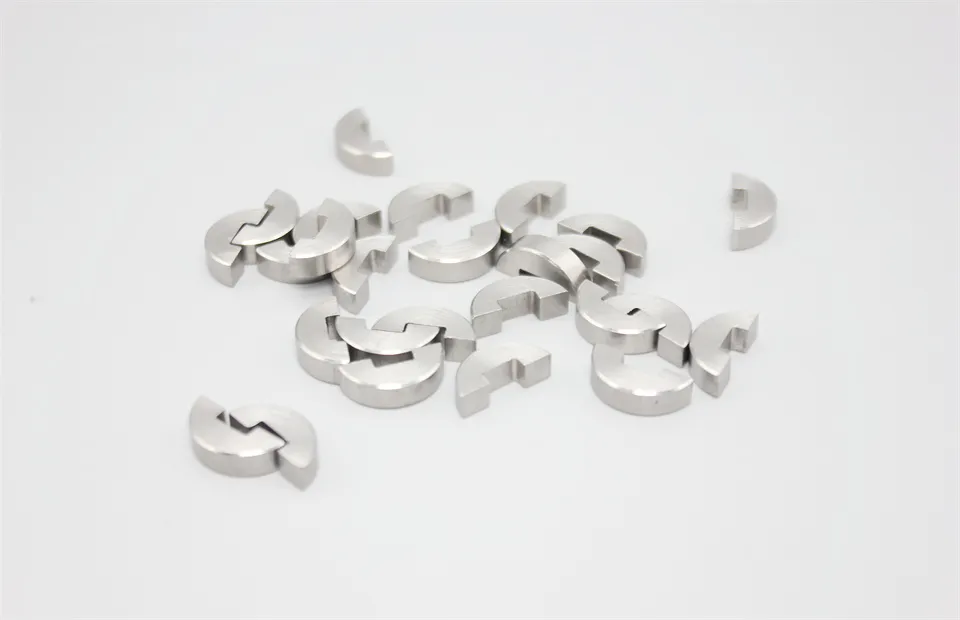
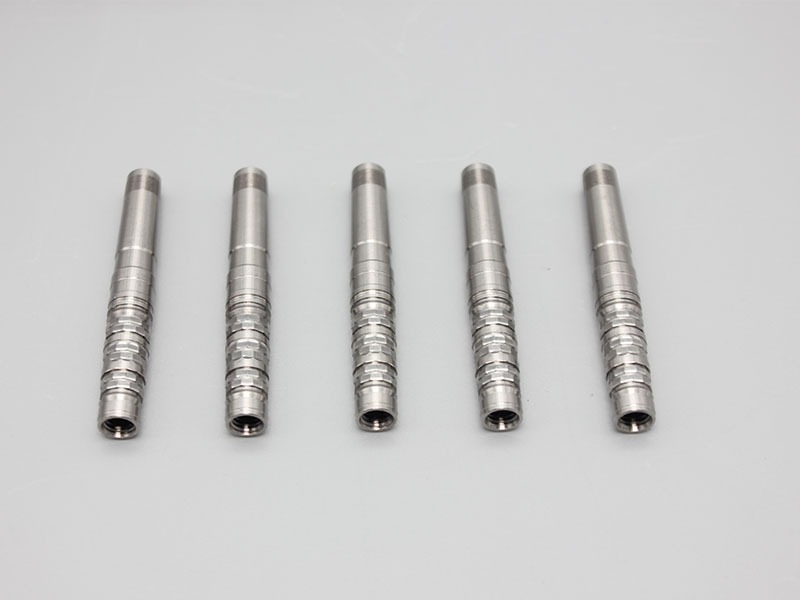
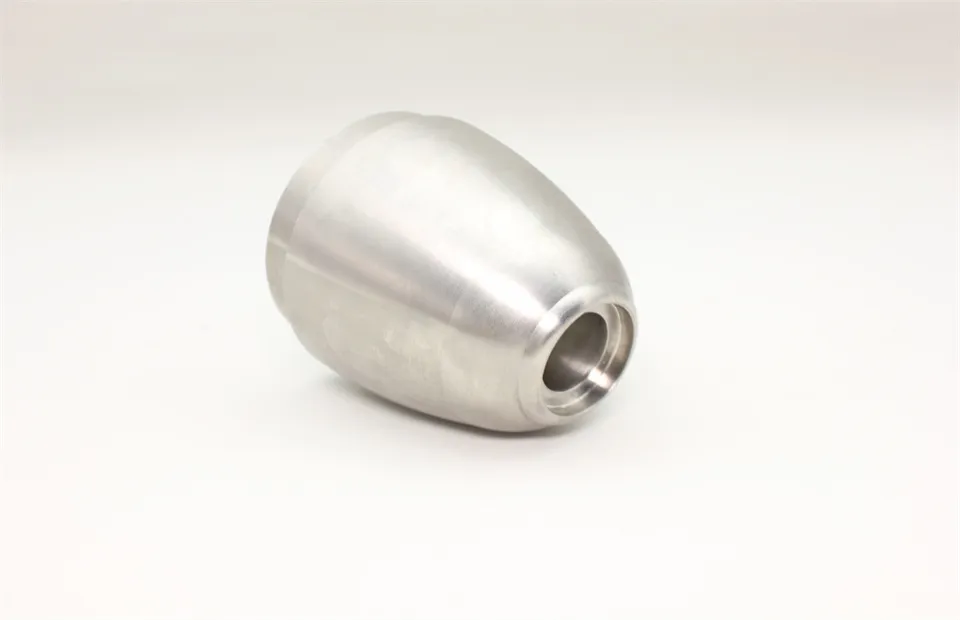
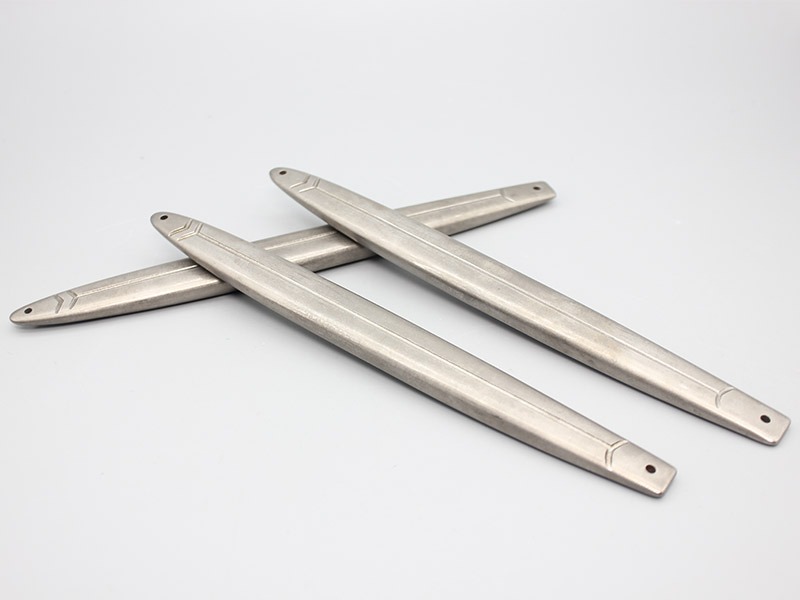
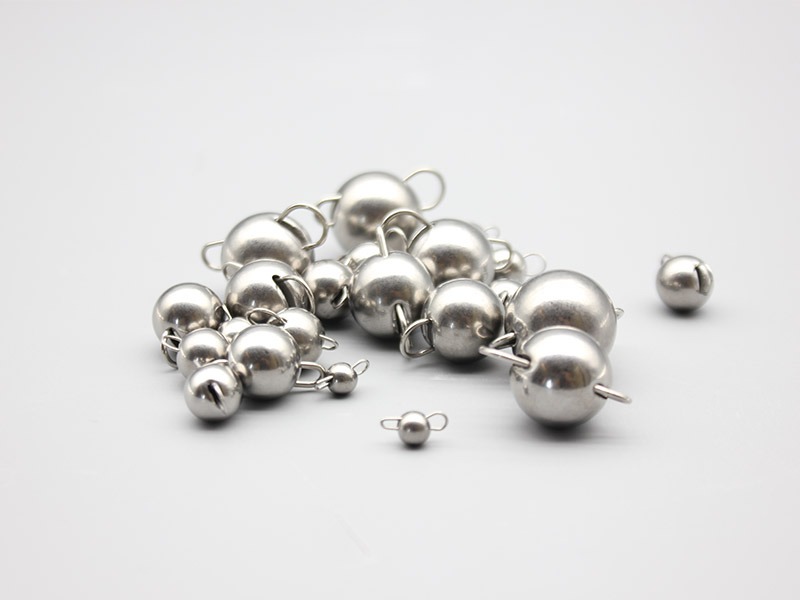
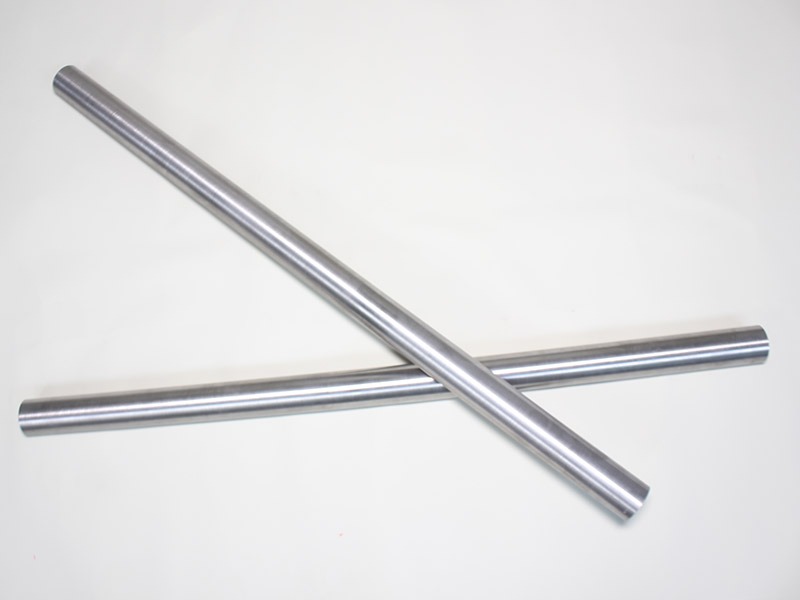
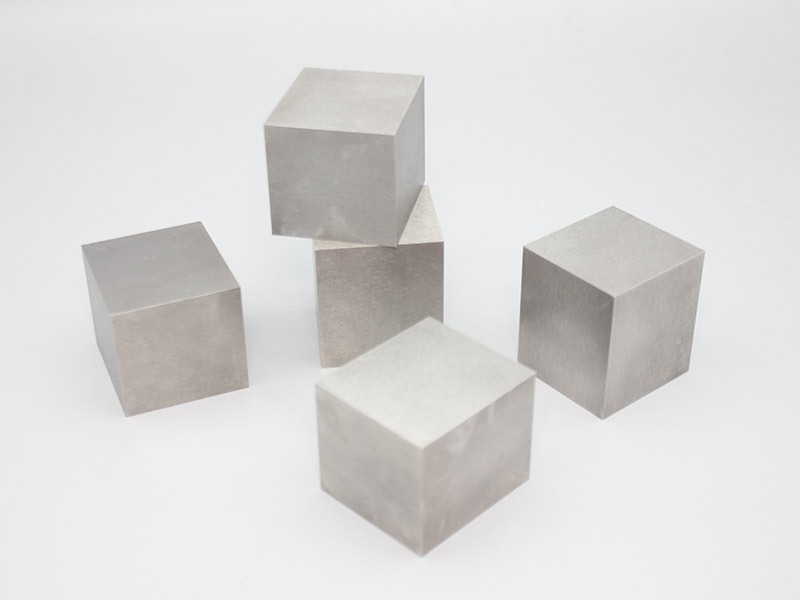
The quality of tungsten heavy alloys factory is not just versatile; it is also strong and dense at the same time, which enables it to be efficiently used in small spaces. Its production involves merging tungsten with either nickel and iron or copper, resulting in a material that is rugged as well as easy to machine. This alloy possesses all the necessary features required in aerospace, defense, and power generation industries. Its precise weight distribution properties additionally open up the manufacture of counterweights, radiation shields, and high-impact tools that require constantly dependable quality.
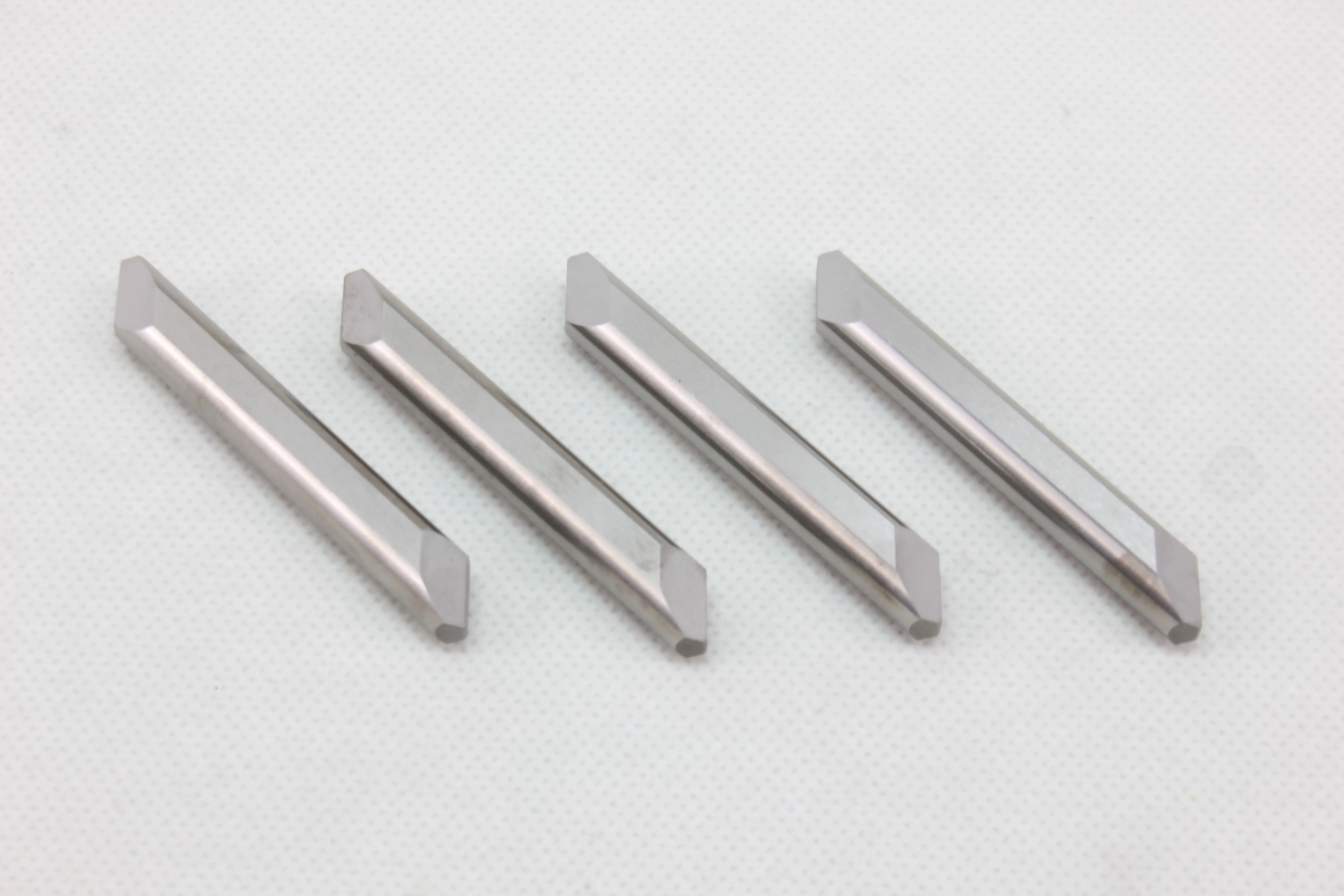
Because of density and strength, tungsten heavy alloys factory are well-suited for precision machinery applications requiring precise balancing and vibration control. Examples include flywheels and dynamic dampers, as well as automotive applications for crankshaft weights or other components. {Keywords} absorb vibration, extends the life of machines, and improves performance when used in high speed operational conditions.
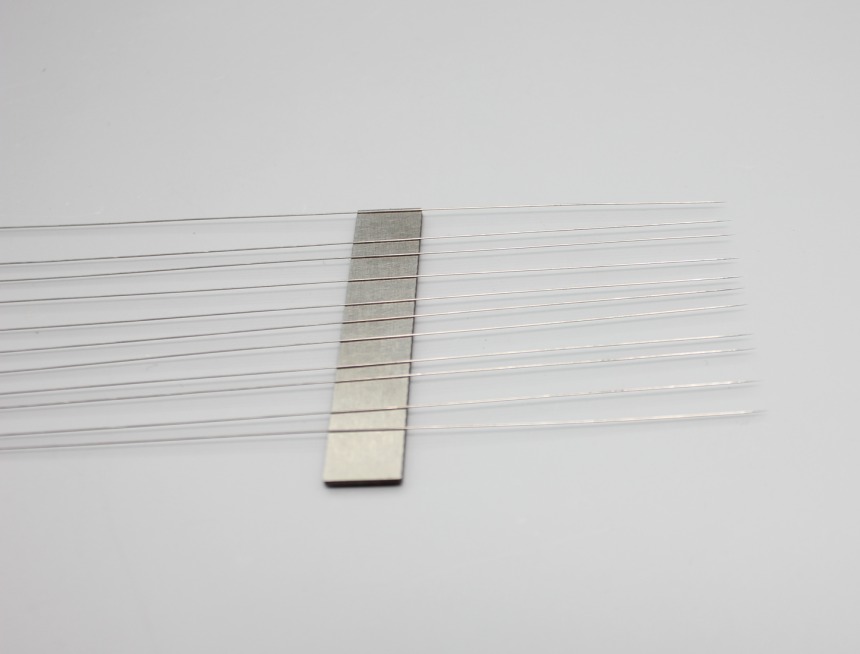
As an industry advances to increasingly perform better, tungsten heavy alloys factory will see great depth of use in precision control systems, drones, and renewable power generation applications. Researchers are evolving sintering techniques that reduce material size and provide better designs based on fatigue criteria while being lightweight.
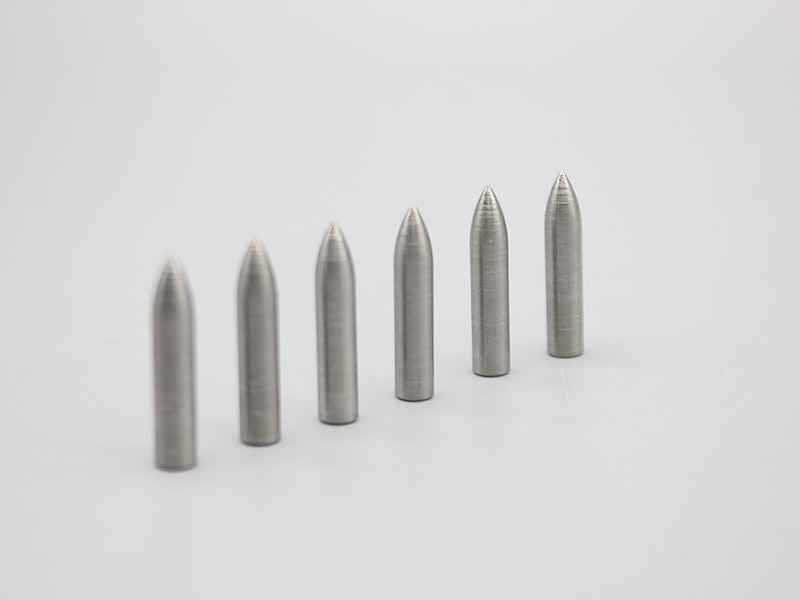
Maintenance of tungsten heavy alloys factory involves keeping components dry and free from contaminants. Lubrication may be employed on contact surfaces to reduce friction and wear in industrial applications. Protective coatings should be applied for long-term storage to minimize the risk of oxidation due to humidity and chemicals.
The metal's durability, tungsten heavy alloys factory, supports demanding mechanical operations in the automotive and marine industries. Its main attributes of wear resistance and strength, along with the characteristics of high-performance, ensure the lift of the main product over long-term operations.
Q: What makes Tungsten heavy alloy essential in engineering applications? A: Tungsten heavy alloy is essential because of its exceptional density, hardness, and thermal stability, making it reliable for use in high-performance mechanical and structural components. Q: How is Tungsten heavy alloy produced? A: It is made through powder metallurgy, where tungsten powder is blended with nickel, iron, or copper and sintered at high temperatures to form a compact, durable alloy. Q: Why is Tungsten heavy alloy suitable for aerospace industries? A: Its superior weight distribution and resistance to thermal stress make it perfect for use in counterbalances, rotor systems, and aircraft control components. Q: Can Tungsten heavy alloy be machined easily? A: While it is very dense and hard, it can be precisely machined using specialized tools designed for high-strength materials. Q: In which fields is Tungsten heavy alloy commonly applied? A: It is widely used in defense, medical imaging, oil drilling, aerospace, and industrial balancing systems.
The Tungsten heavy alloy provides solid consistency in production; every piece meets our exact requirements.
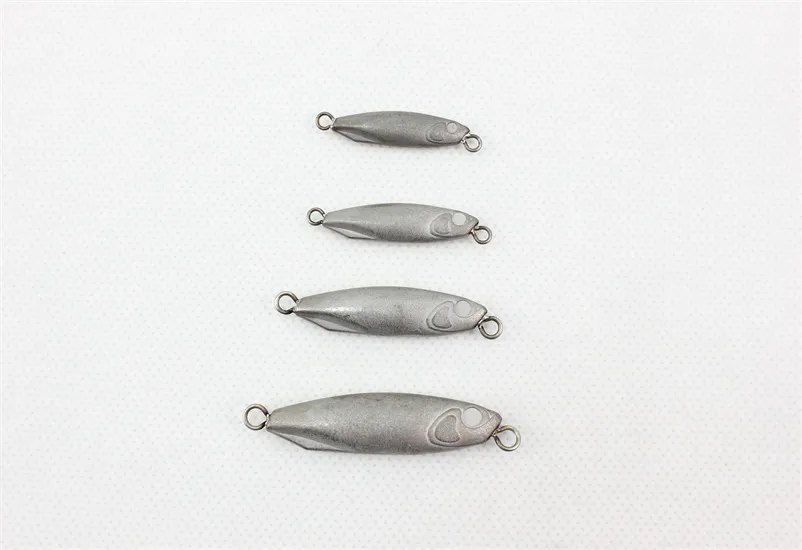
The craftsmanship of the tungsten jig is excellent — it reacts quickly to every move of the rod.
To protect the privacy of our buyers, only public service email domains like Gmail, Yahoo, and MSN will be displayed. Additionally, only a limited portion of the inquiry content will be shown.
I’m interested in your tungsten jig models used for saltwater fishing. Please share your catalog a...
We operate a fishing tackle store and want to stock tungsten jig. Please send details on bulk pricin...
Copyright © Zhuzhou Jiuding Metal Technology Co., Ltd. All Rights Reserved
 EN
 AR
 FR
 DE
 HI
 IT
 JA
 KO
 PT
 RU
 ES
 ID
 LV
 VI
 HU
 MS
 GA
 BE
 YI
 EU