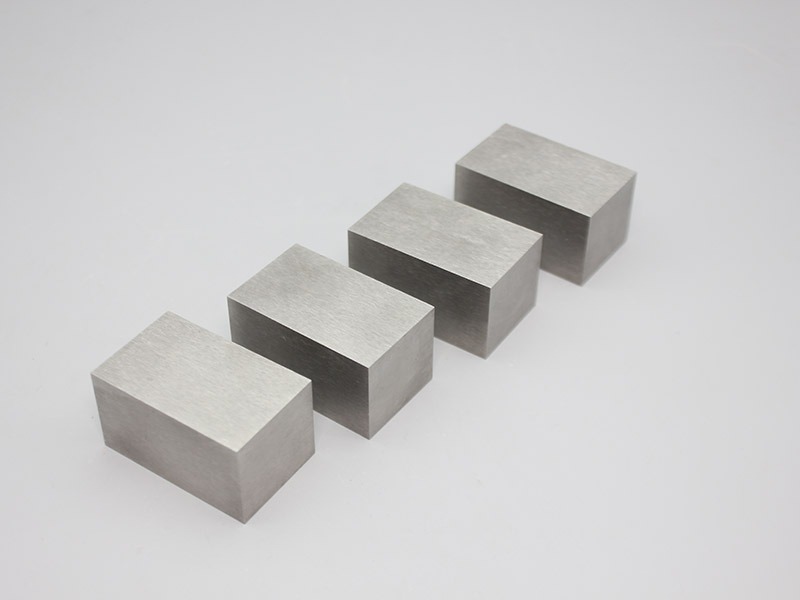
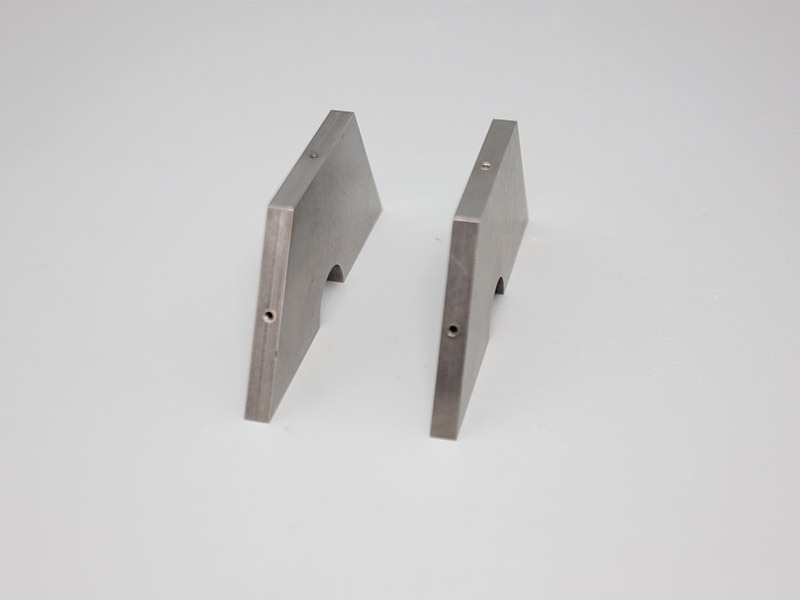
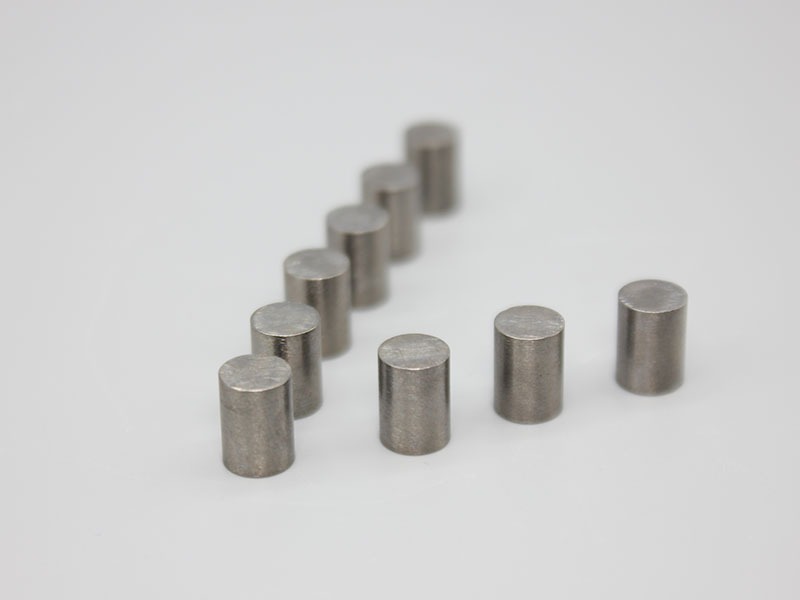
tungsten heavy metal alloys is designed for applications requiring maximum strength with minimal volume. The high density ensures the alloy has great balance and vibration resistance. The alloy has the same mechanical properties at elevated pressure, which is why it can be found in ballistic applications, commercial aerospace structures, and advanced tooling. tungsten heavy metal alloys is resistant to cracking, corrosion, and fatigue, so it can be employed in extreme working conditions.
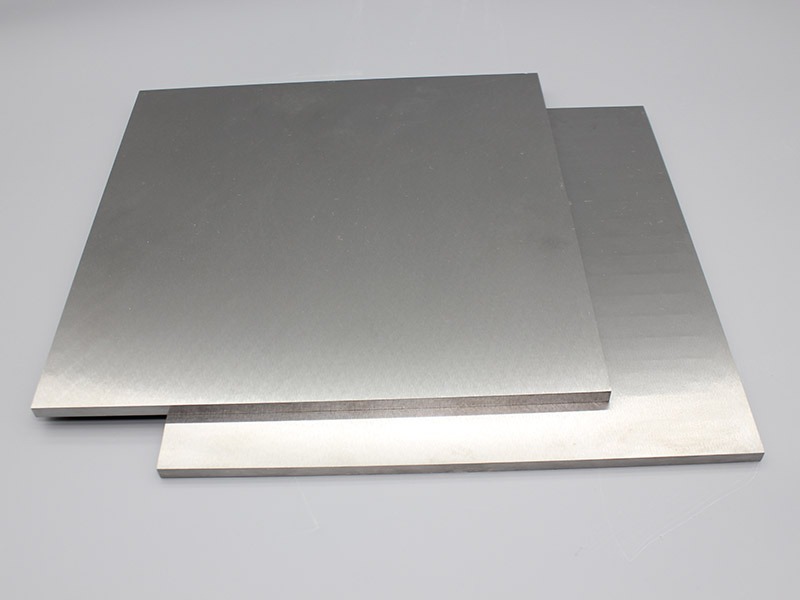
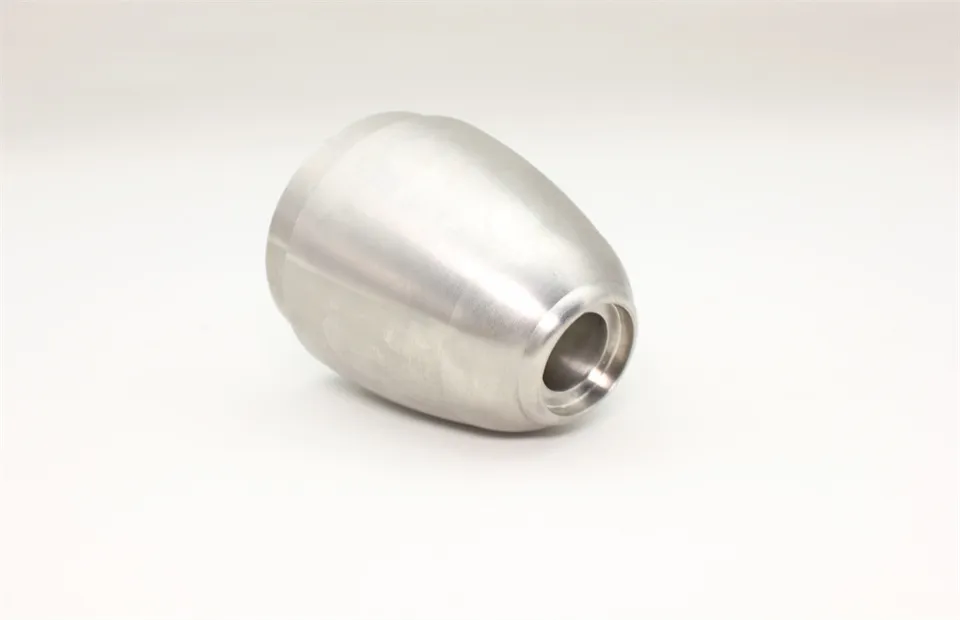
In marine engineering, tungsten heavy metal alloys is utilized for ballast weights, propeller balancing, and other underwater applications. The high density of the material allows for compact designs, and the corrosion-resistant properties of the material allow for performance in salt water environments. Submarine systems incorporate the alloy for stability to allow for ease of maneuverability and control of depth.

Future tungsten heavy metal alloys will marry mechanical fidelity with ecological awareness. Manufacturers are pouring resources into recyclable formulations, high-quality efficient casting to minimize waste, maximizing the balance of density and stability to support technologies like undersea robotics and magnetic shielding.

Maintenance of tungsten heavy metal alloys involves keeping components dry and free from contaminants. Lubrication may be employed on contact surfaces to reduce friction and wear in industrial applications. Protective coatings should be applied for long-term storage to minimize the risk of oxidation due to humidity and chemicals.
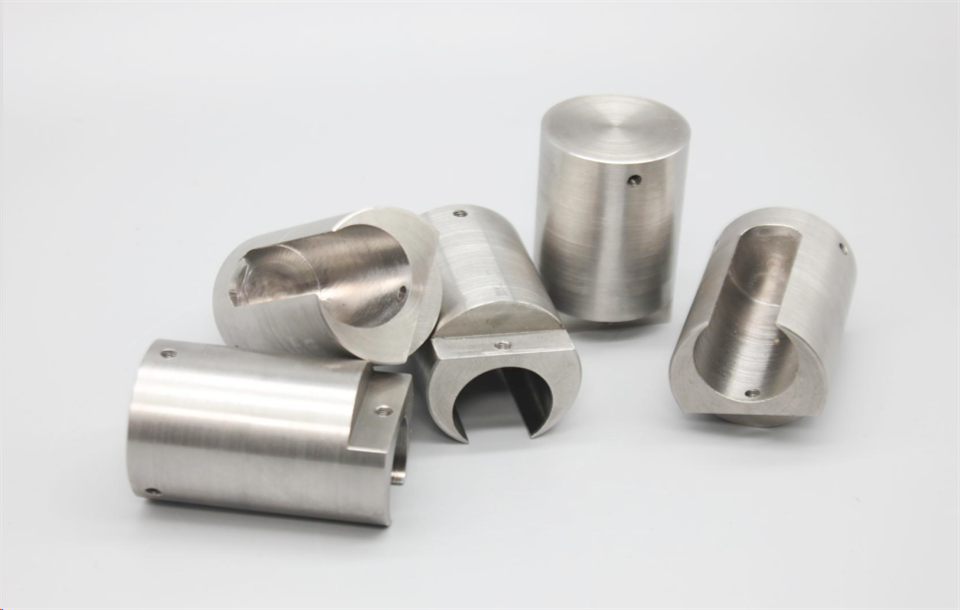
tungsten heavy metal alloys is specifically designed for applications where there is mass that needs to fit into compact areas, while maintaining mechanical strength. It provides excellent wear resistance and thermal stability making it suitable for use as aerospace balancing parts or molds, and in heavy engineering equipment. The dense material will ensure that there is maximum efficiency and reliability in process.
Q: What makes Tungsten heavy alloy essential in engineering applications? A: Tungsten heavy alloy is essential because of its exceptional density, hardness, and thermal stability, making it reliable for use in high-performance mechanical and structural components. Q: How is Tungsten heavy alloy produced? A: It is made through powder metallurgy, where tungsten powder is blended with nickel, iron, or copper and sintered at high temperatures to form a compact, durable alloy. Q: Why is Tungsten heavy alloy suitable for aerospace industries? A: Its superior weight distribution and resistance to thermal stress make it perfect for use in counterbalances, rotor systems, and aircraft control components. Q: Can Tungsten heavy alloy be machined easily? A: While it is very dense and hard, it can be precisely machined using specialized tools designed for high-strength materials. Q: In which fields is Tungsten heavy alloy commonly applied? A: It is widely used in defense, medical imaging, oil drilling, aerospace, and industrial balancing systems.
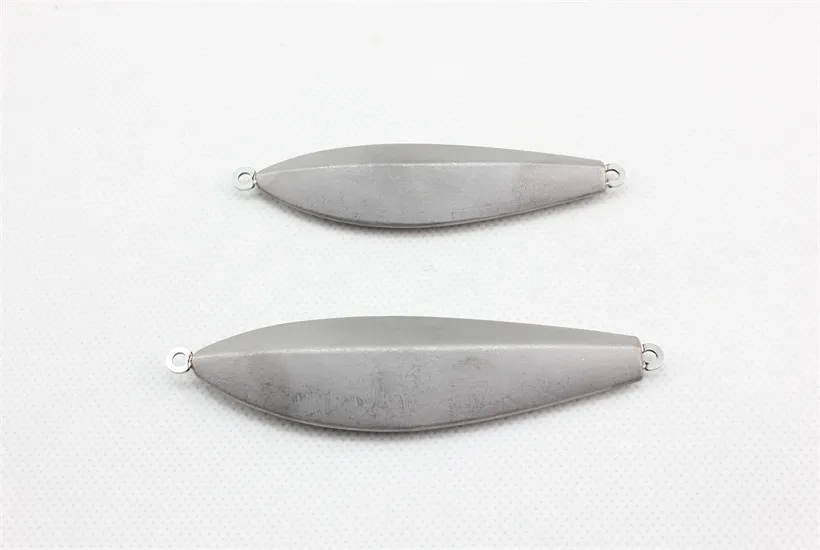
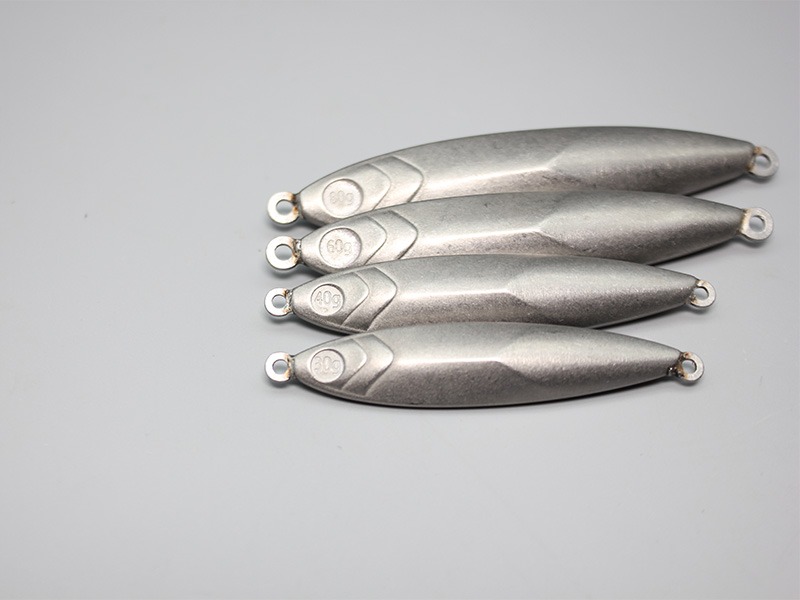
I’ve used the tungsten jig for months, and its weight balance makes it super easy to control even in deep spots.
The Tungsten heavy alloy has impressive density and strength — it’s perfect for high-performance machinery.
To protect the privacy of our buyers, only public service email domains like Gmail, Yahoo, and MSN will be displayed. Additionally, only a limited portion of the inquiry content will be shown.
We need tungsten heavy alloy plates for counterweight applications. Please share available thickness...
We are a machining parts supplier seeking tungsten heavy alloy rods for precision components. Kindly...
Copyright © Zhuzhou Jiuding Metal Technology Co., Ltd. All Rights Reserved
 EN
EN AR
AR FR
FR DE
DE HI
HI IT
IT JA
JA KO
KO PT
PT RU
RU ES
ES ID
ID LV
LV VI
VI HU
HU MS
MS GA
GA BE
BE YI
YI EU
EU