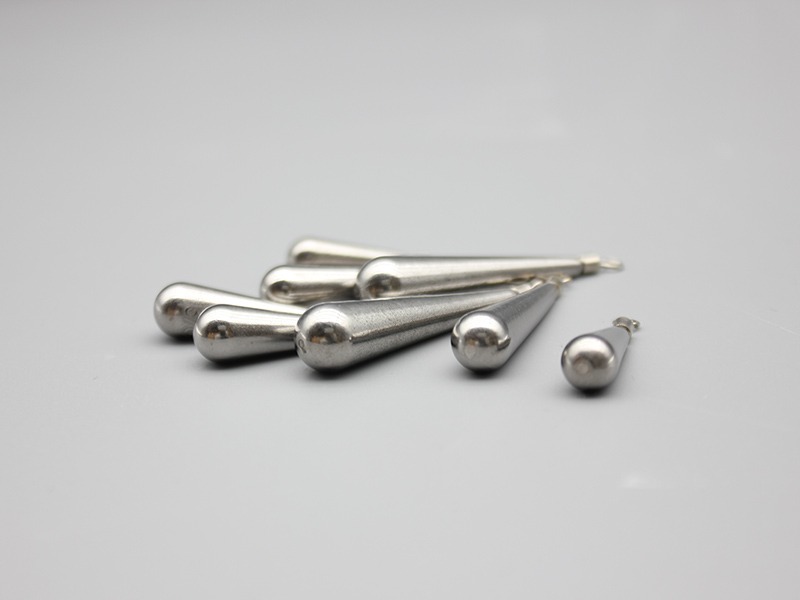
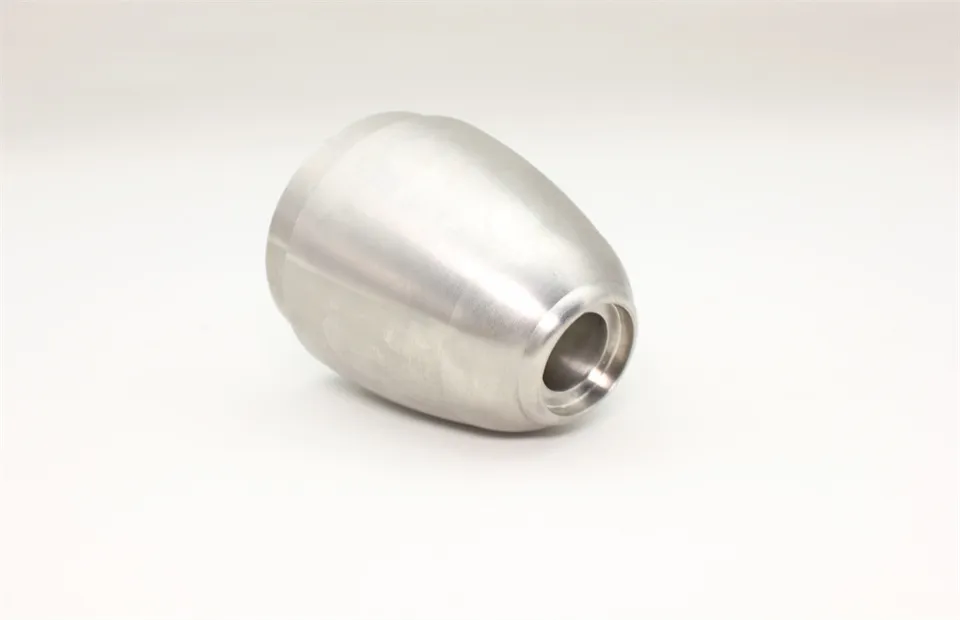
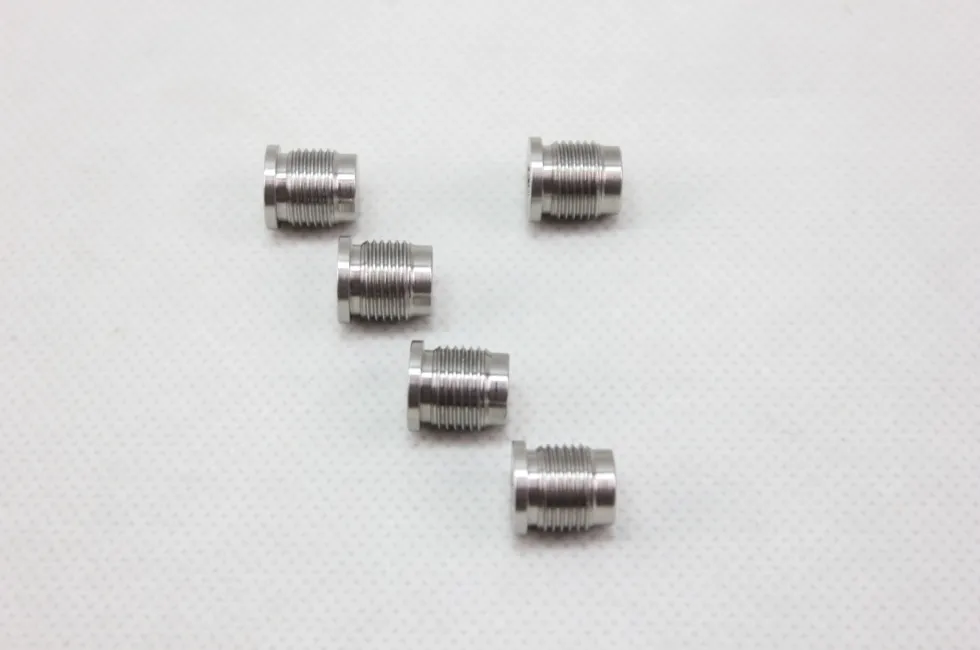
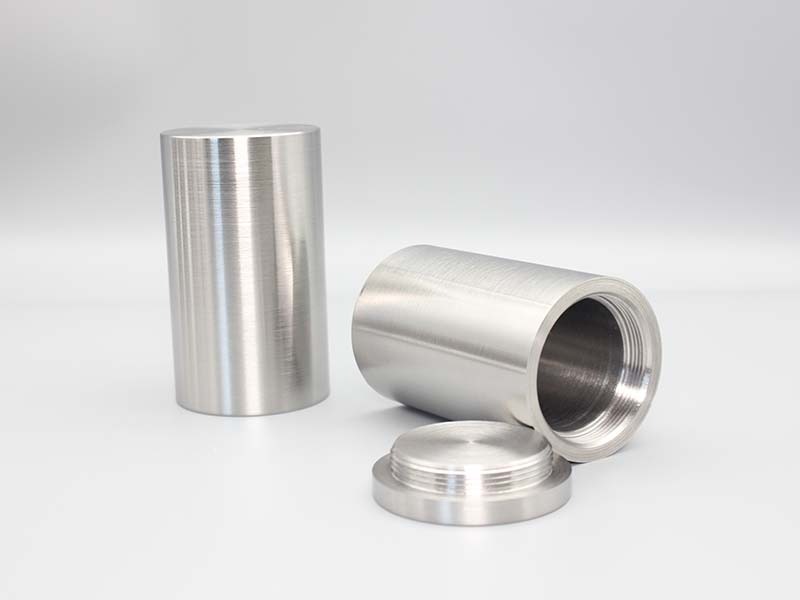
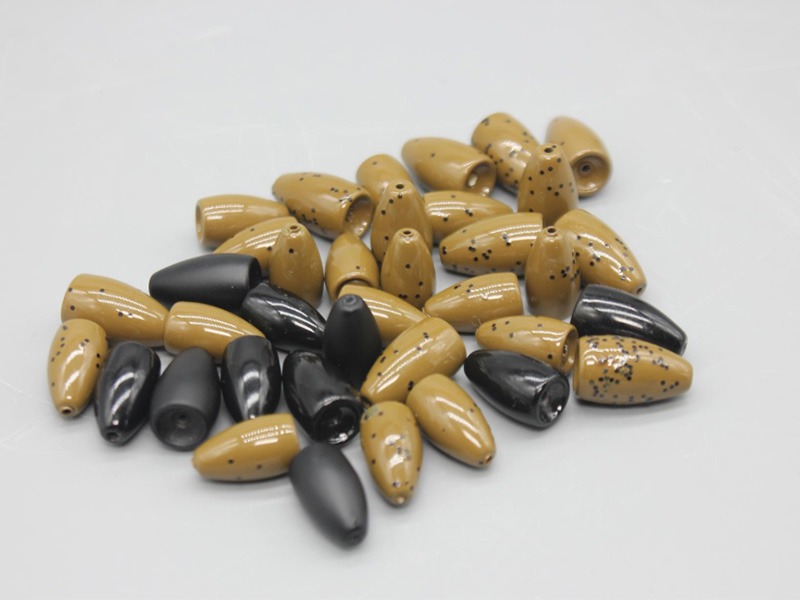
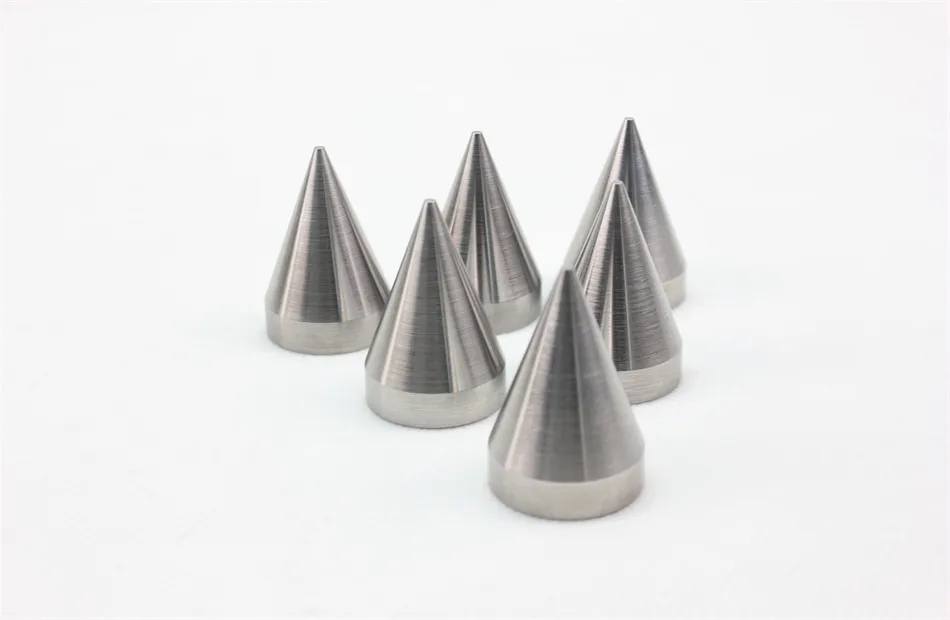
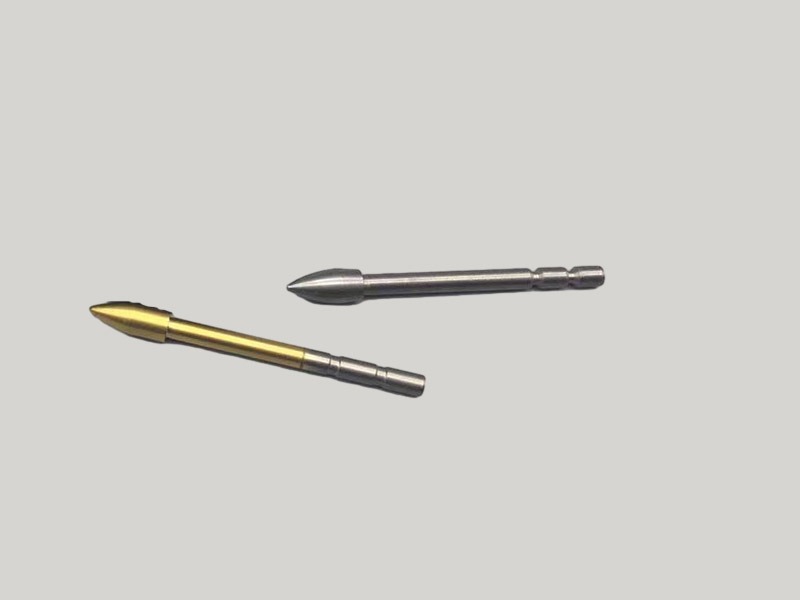
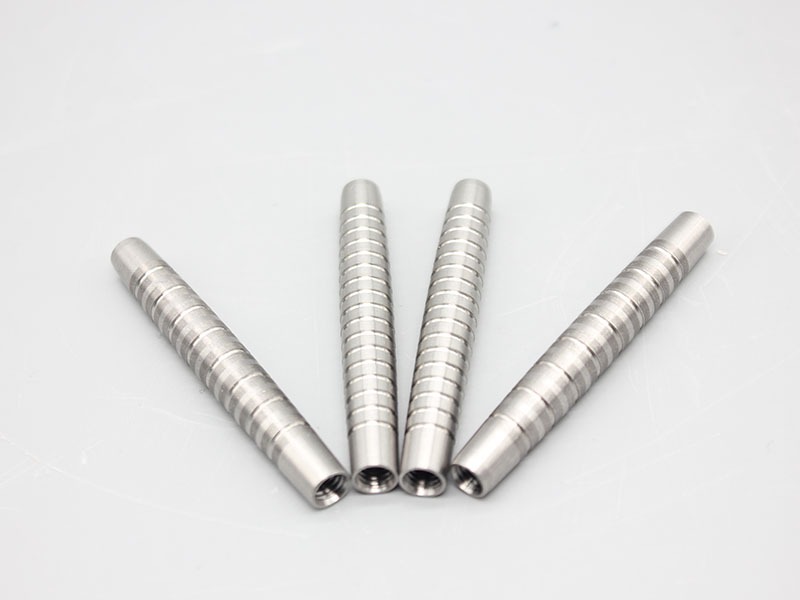
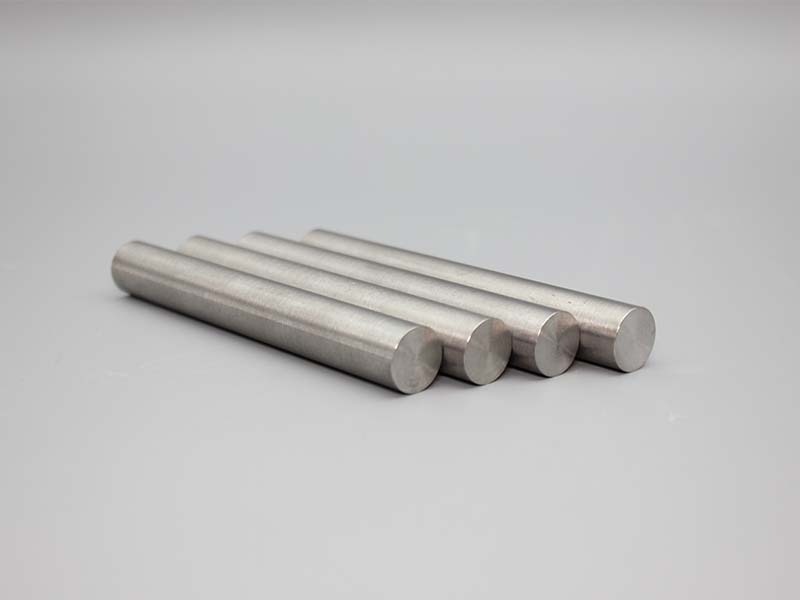
The quality of China tungsten heavy alloy machining is not just versatile; it is also strong and dense at the same time, which enables it to be efficiently used in small spaces. Its production involves merging tungsten with either nickel and iron or copper, resulting in a material that is rugged as well as easy to machine. This alloy possesses all the necessary features required in aerospace, defense, and power generation industries. Its precise weight distribution properties additionally open up the manufacture of counterweights, radiation shields, and high-impact tools that require constantly dependable quality.
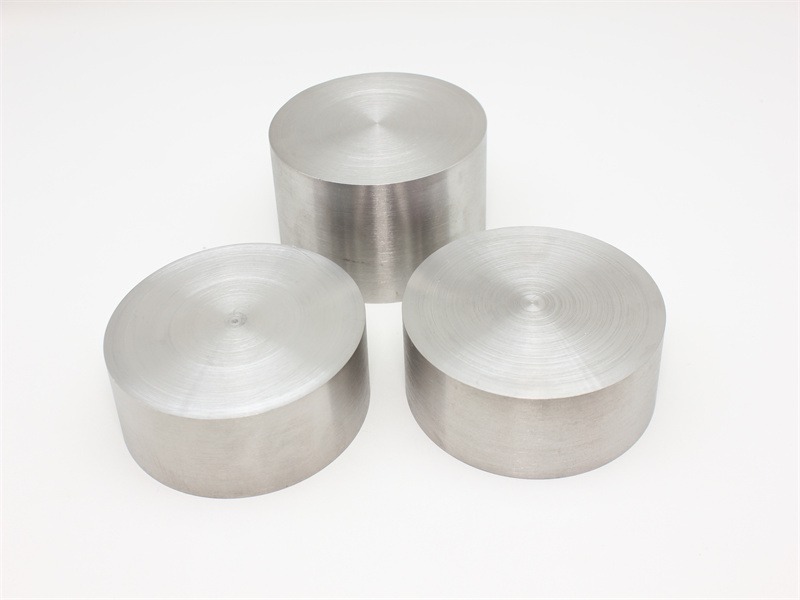
China tungsten heavy alloy machining is growing in use in the automotive industry as precautions in crankshaft balancing, as a damping element, and for high-performance racing components. Its dense design allows for precise control of oscillatory rotational forces to enhance vehicle stability and overall engine efficiency. The material's durability in high-temperature and stress environments serves to maximize operational performance over the lifespan of the engine.

As an industry advances to increasingly perform better, China tungsten heavy alloy machining will see great depth of use in precision control systems, drones, and renewable power generation applications. Researchers are evolving sintering techniques that reduce material size and provide better designs based on fatigue criteria while being lightweight.

Proper operating procedures are particularly important for general durability of China tungsten heavy alloy machining. Clean regularly, preferably with soft cloths, and store in a location away from magnets or corrosive materials. Look for cracks, wear, or discolorations in surfaces periodically to ensure continued reliability and to maintain safe operating conditions.
Due to its moderately high melting point combined with toughness, China tungsten heavy alloy machining performs well under extreme conditions. Commonly it has uses in radiation shielding, medical devices, and military hardware. The strength and stability provided from China tungsten heavy alloy machining make it an obvious choice for precision applications.
Q: How is Tungsten heavy alloy used in oil and gas exploration? A: It serves as a key material for counterweights, drilling tools, and downhole equipment due to its density and wear resistance. Q: What maintenance practices help preserve Tungsten heavy alloy components? A: Regular cleaning, controlled storage, and protection from moisture help prevent oxidation and extend service life. Q: Why does Tungsten heavy alloy perform well in vibration control? A: Its density and internal damping capacity reduce oscillations in precision machinery and aerospace systems. Q: What machining techniques are best for Tungsten heavy alloy? A: CNC milling, grinding, and electrical discharge machining are commonly used for shaping Tungsten heavy alloy with precision. Q: How does Tungsten heavy alloy support environmental sustainability? A: It replaces toxic lead in many applications while offering durability and recyclability for eco-friendly production cycles.
The tungsten jig performs great in both saltwater and freshwater; it doesn’t rust or wear out easily.
The tungsten jig feels incredibly durable — I’ve caught dozens of fish, and it still looks new.
To protect the privacy of our buyers, only public service email domains like Gmail, Yahoo, and MSN will be displayed. Additionally, only a limited portion of the inquiry content will be shown.
We are interested in tungsten heavy alloy cylinders for kinetic energy applications. Could you send ...
We operate a fishing tackle store and want to stock tungsten jig. Please send details on bulk pricin...
Copyright © Zhuzhou Jiuding Metal Technology Co., Ltd. All Rights Reserved
 EN
EN AR
AR FR
FR DE
DE HI
HI IT
IT JA
JA KO
KO PT
PT RU
RU ES
ES ID
ID LV
LV VI
VI HU
HU MS
MS GA
GA BE
BE YI
YI EU
EU