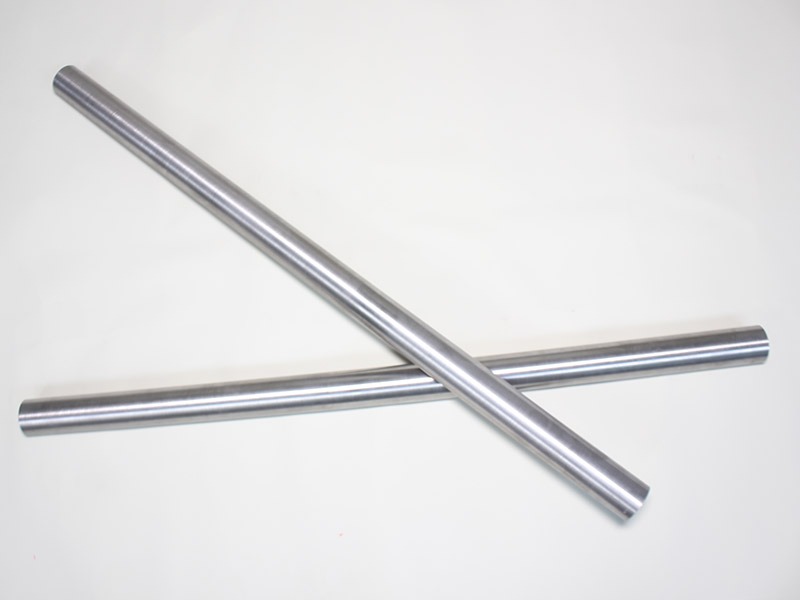
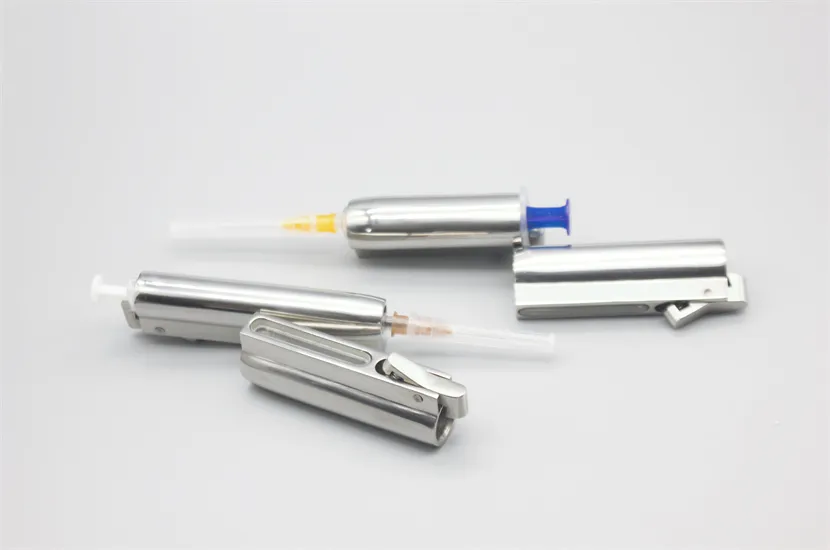
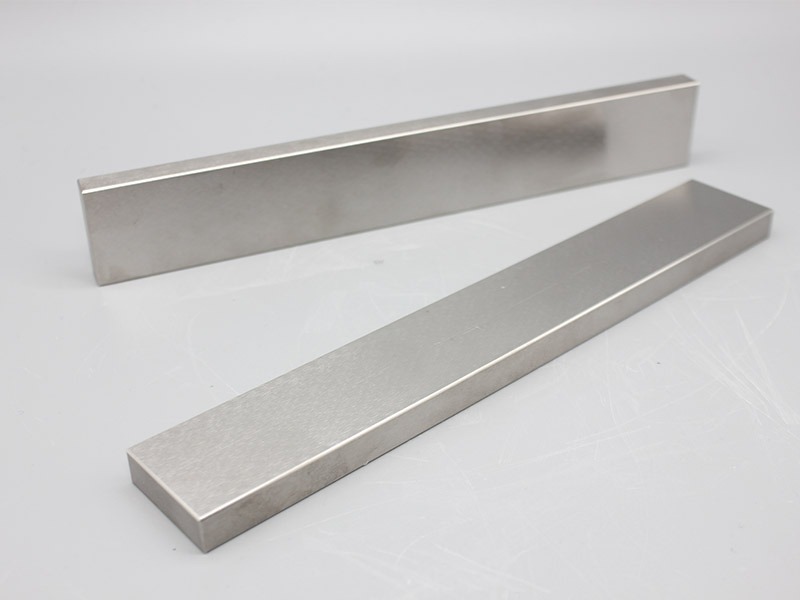
The quality of tungsten heavy alloy powder is not just versatile; it is also strong and dense at the same time, which enables it to be efficiently used in small spaces. Its production involves merging tungsten with either nickel and iron or copper, resulting in a material that is rugged as well as easy to machine. This alloy possesses all the necessary features required in aerospace, defense, and power generation industries. Its precise weight distribution properties additionally open up the manufacture of counterweights, radiation shields, and high-impact tools that require constantly dependable quality.
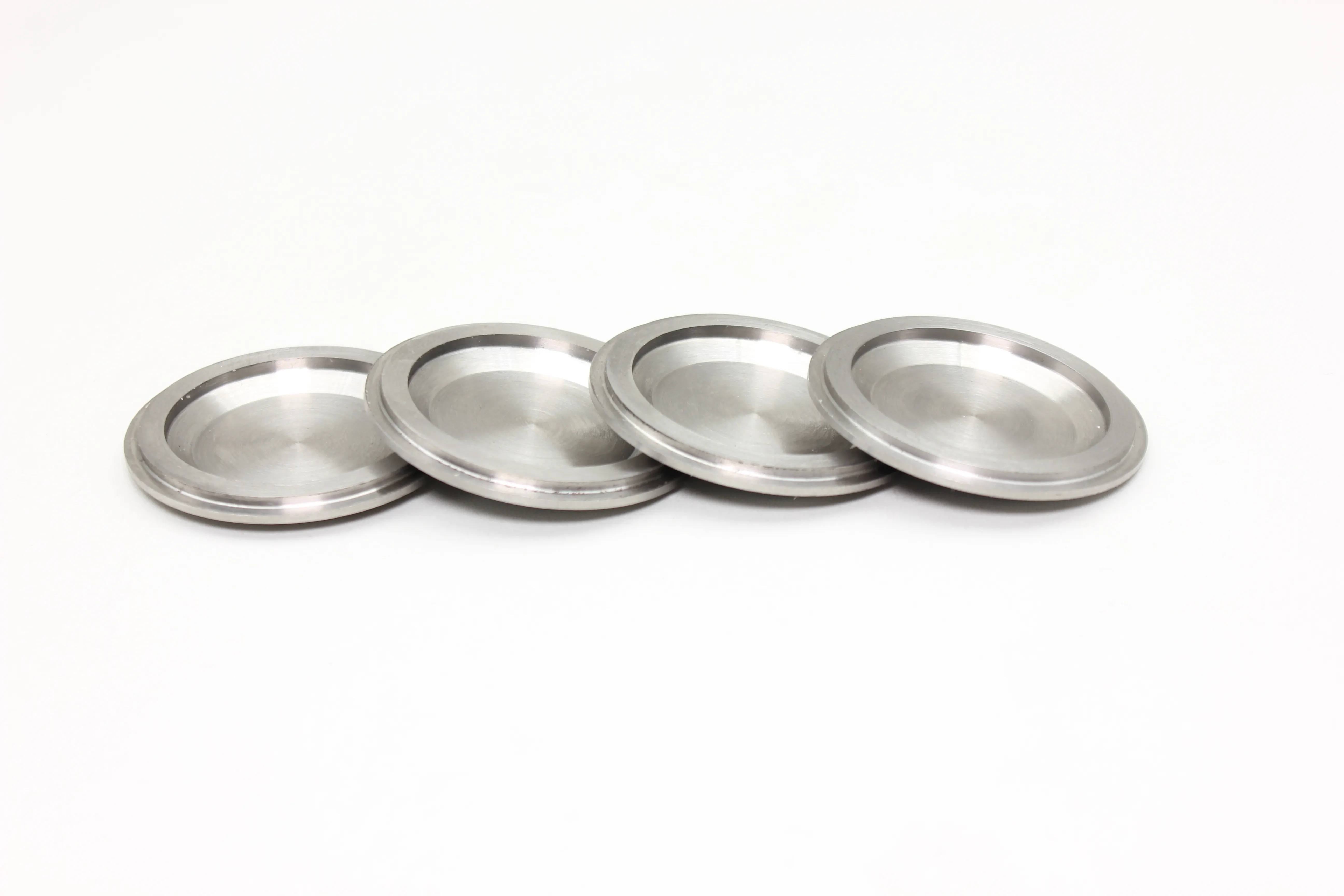
Within the healthcare and medical field, tungsten heavy alloy powder enjoys a wide application in shielding against radiation and as counterbalance configurations. Safety is critical in diagnosis equipment and groundbreaking technologies such as linear accelerators and gamma cameras. The aforementioned density allows for a smaller and lighter component, without sacrificing protection, which is a key driver of advanced technologies in modern healthcare applications.
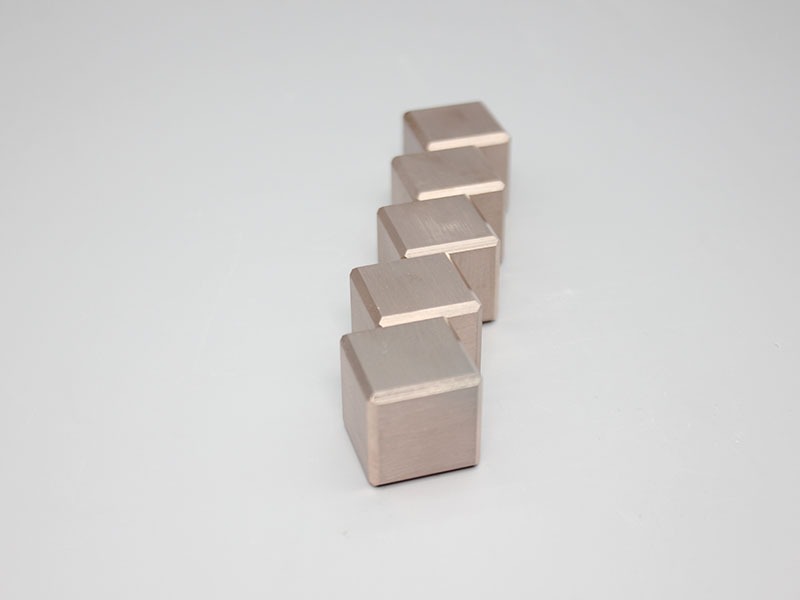
Accelerating technological miniaturization will ensure tungsten heavy alloy powder have a primary role in creating small, high-precision components. Its thermal management capability will allow micro-electronic devices, and its dependability will grant advantages to industries like robotics, aerospace, and defense; all of which are concerned with extreme accuracy.
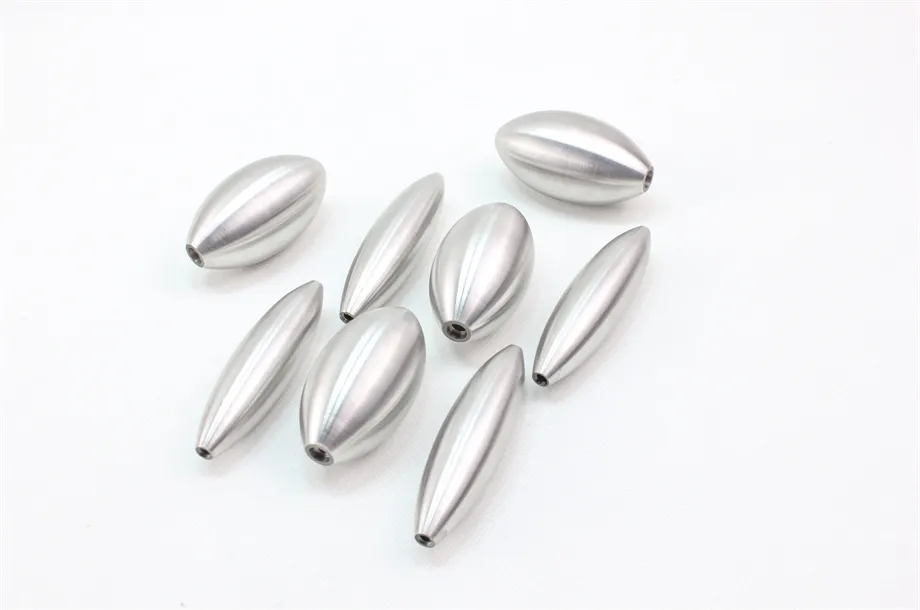
The life of tungsten heavy alloy powder is consistent with care and maintenance. Do not drop or strike it against hard surfaces, as even minor impressions will impact the balance and performance of the tungsten heavy alloy powder. Transport and store in tightly sealed containers to protect tungsten heavy alloy powder from humidity and airborne contaminants.
The metal's durability, tungsten heavy alloy powder, supports demanding mechanical operations in the automotive and marine industries. Its main attributes of wear resistance and strength, along with the characteristics of high-performance, ensure the lift of the main product over long-term operations.
Q: How is Tungsten heavy alloy used in oil and gas exploration? A: It serves as a key material for counterweights, drilling tools, and downhole equipment due to its density and wear resistance. Q: What maintenance practices help preserve Tungsten heavy alloy components? A: Regular cleaning, controlled storage, and protection from moisture help prevent oxidation and extend service life. Q: Why does Tungsten heavy alloy perform well in vibration control? A: Its density and internal damping capacity reduce oscillations in precision machinery and aerospace systems. Q: What machining techniques are best for Tungsten heavy alloy? A: CNC milling, grinding, and electrical discharge machining are commonly used for shaping Tungsten heavy alloy with precision. Q: How does Tungsten heavy alloy support environmental sustainability? A: It replaces toxic lead in many applications while offering durability and recyclability for eco-friendly production cycles.
I appreciate that Tungsten heavy alloy is non-toxic yet just as heavy and stable as lead — a smart upgrade.
I’ve worked with Tungsten heavy alloy materials for years, and they never disappoint in precision or reliability.
To protect the privacy of our buyers, only public service email domains like Gmail, Yahoo, and MSN will be displayed. Additionally, only a limited portion of the inquiry content will be shown.
We are looking for high-density tungsten jig for our upcoming fishing gear line. Could you please se...
We operate a fishing tackle store and want to stock tungsten jig. Please send details on bulk pricin...
Copyright © Zhuzhou Jiuding Metal Technology Co., Ltd. All Rights Reserved
 EN
EN AR
AR FR
FR DE
DE HI
HI IT
IT JA
JA KO
KO PT
PT RU
RU ES
ES ID
ID LV
LV VI
VI HU
HU MS
MS GA
GA BE
BE YI
YI EU
EU