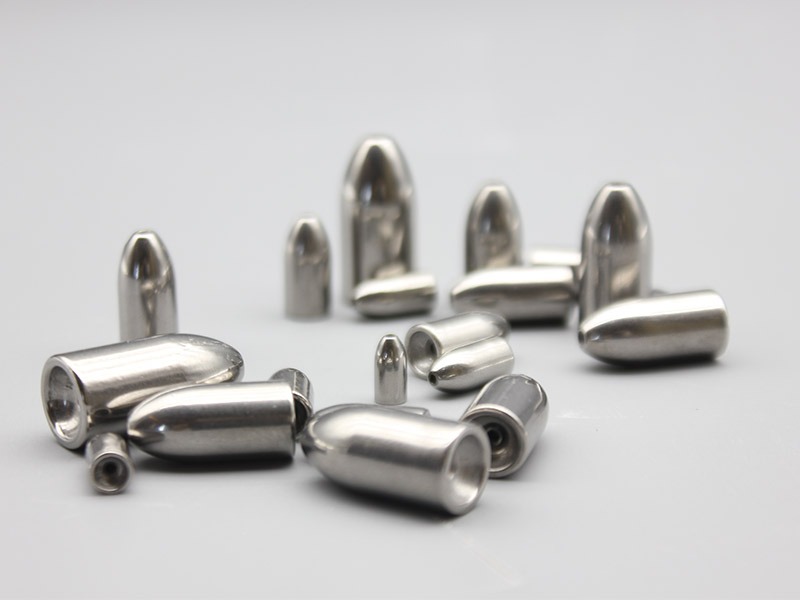
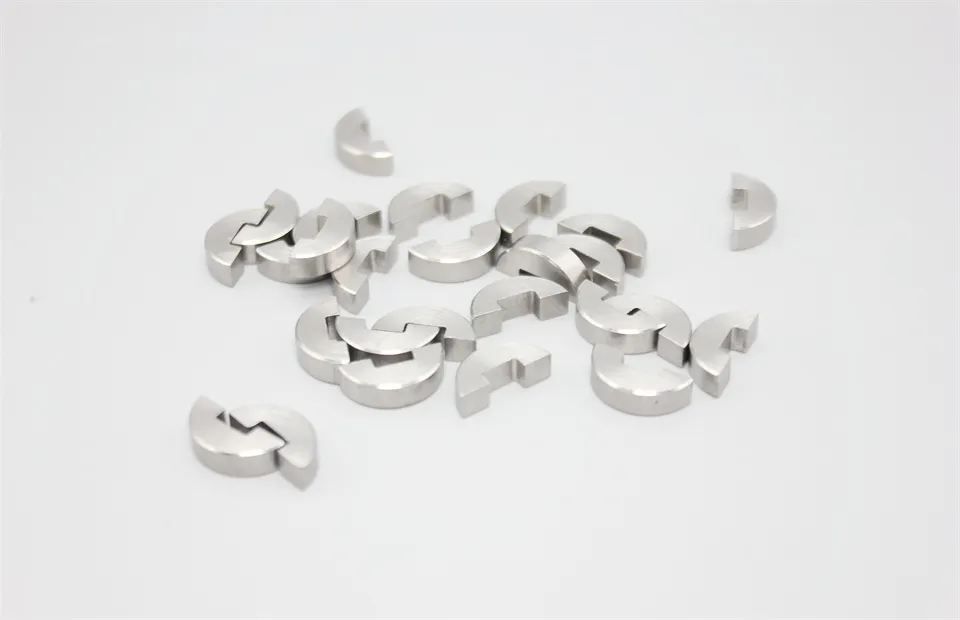
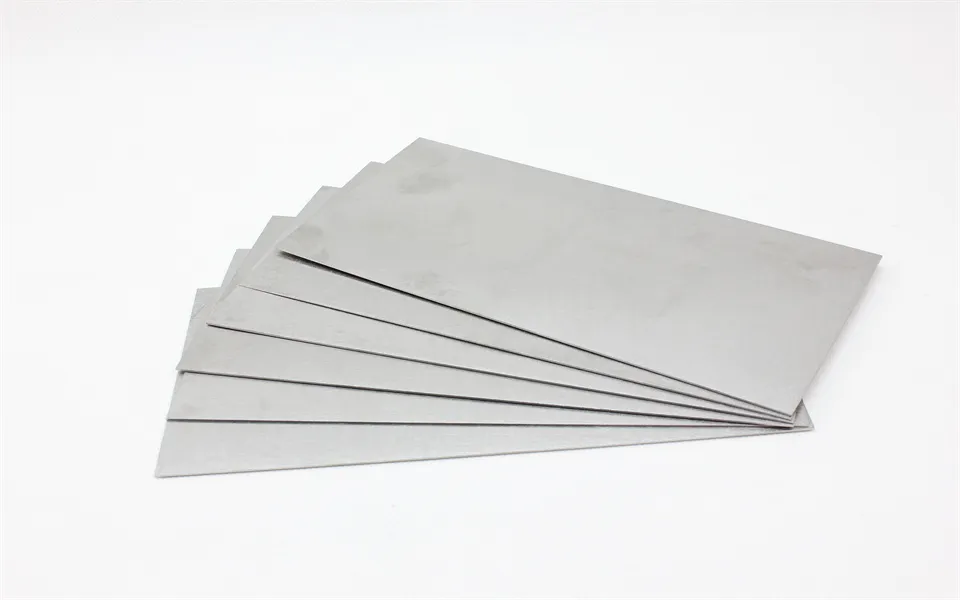
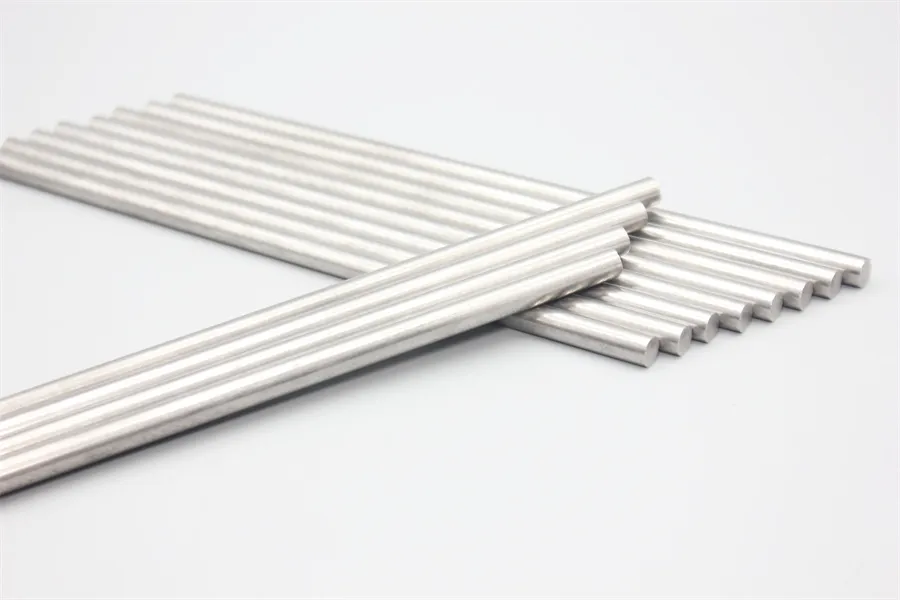
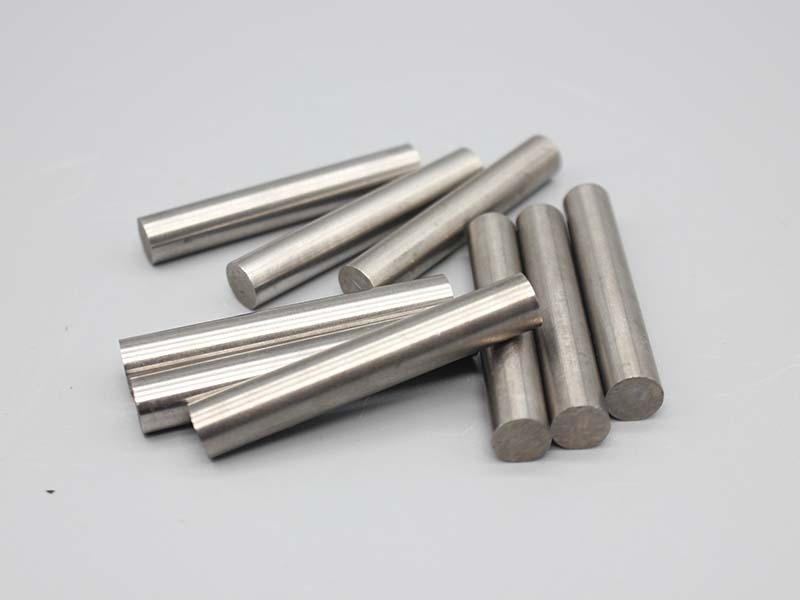
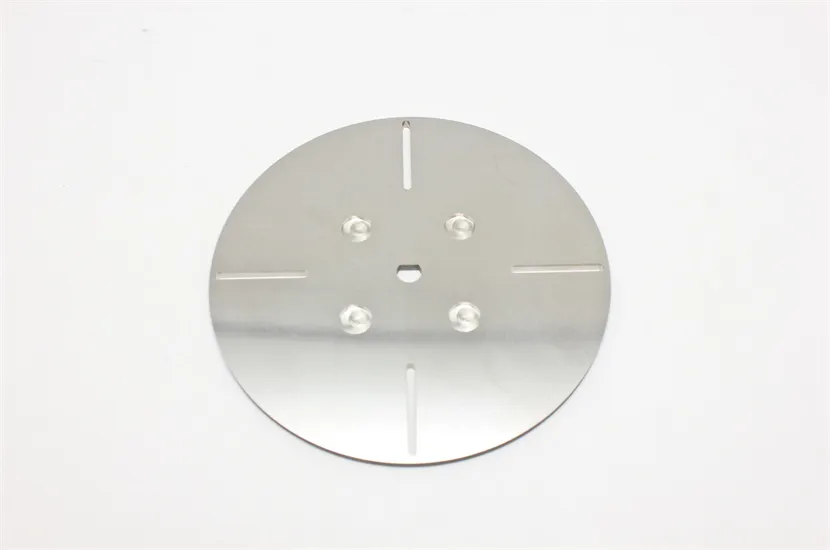
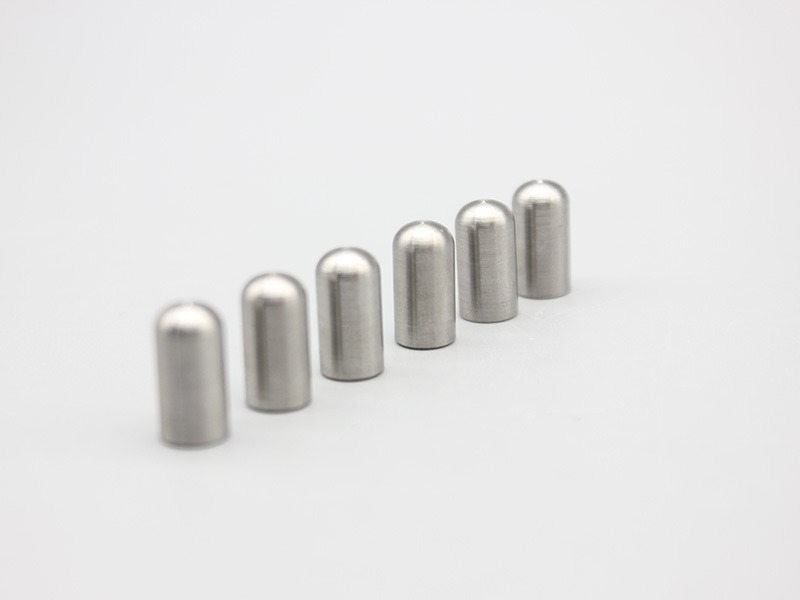
tungsten heavy alloys bars is designed for applications requiring maximum strength with minimal volume. The high density ensures the alloy has great balance and vibration resistance. The alloy has the same mechanical properties at elevated pressure, which is why it can be found in ballistic applications, commercial aerospace structures, and advanced tooling. tungsten heavy alloys bars is resistant to cracking, corrosion, and fatigue, so it can be employed in extreme working conditions.
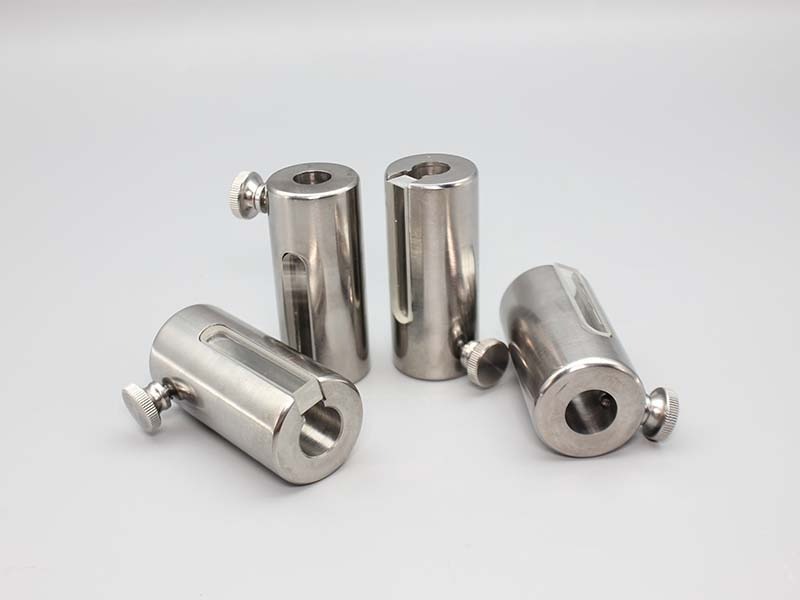
In addition to strength, tungsten heavy alloys bars is also important to the medical and nuclear industries for radiation protection. The high atomic mass number provides exceptional shielding from gamma rays and x-rays. Hospitals utilize tungsten heavy alloys bars in CT scanners, collimators, and lead protective barrier panels. Nucleaer power facilities utilize tungsten heavy alloys bars in reactor shielding and shipping containers. The durability of the alloy allows the use of thinner mass while still achieving the same protection level, thereby offering efficient use of space and long-term reliability.
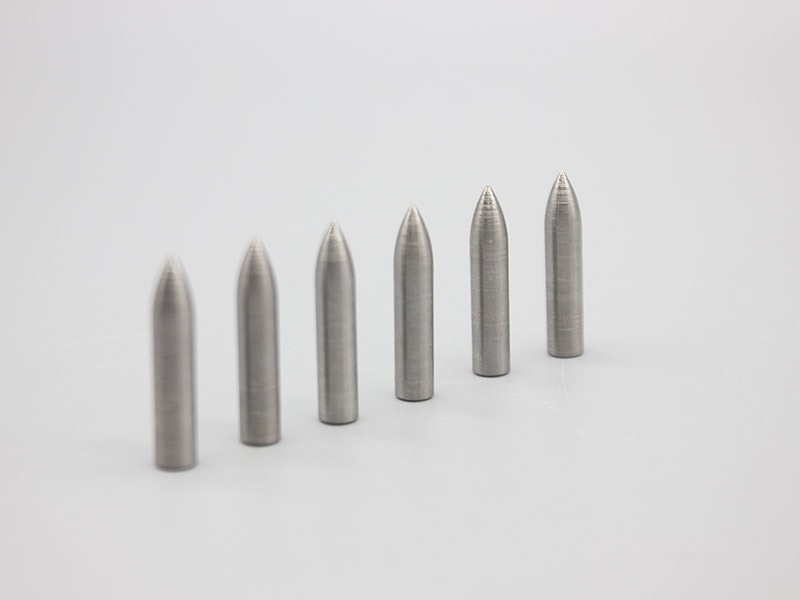
In the future, tungsten heavy alloys bars will find applications that include AI-assisted design, where automated manufacturing will provide precise customization, desirable for aerospace, robotics, and medical devices. It will be a valuable component in systems that depend on especially consistent performance in severe thermal and mechanical conditions.
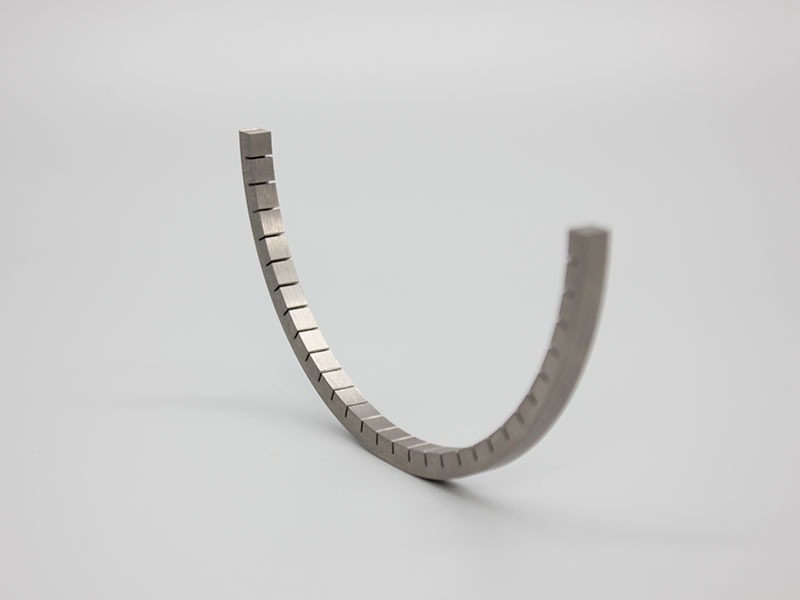
For machinery equipped with tungsten heavy alloys bars components, it is ideal to have a scheduled time to perform maintenance of the machinery. As part of planned maintenance, check the components for alignment and correct lubrication. When dust or residue is present, clean the surfaces regularly to adequately avoid abrasive wear. The parts must remain cool and dry for the alloy to properly maintain mechanical strength and to resist mechanical fatigue.
tungsten heavy alloys bars is specifically designed for high performance applications, combining hardness with good machinability. Common applications include for counter weights, ballistic applications, and vibration damping structures. The consistent physical properties of the material provide a high level of precision and durability in a final product.
Q: What makes Tungsten heavy alloy valuable in balancing applications? A: Its high density allows accurate weight adjustment in small volumes, ensuring perfect balance in rotating machinery. Q: Is Tungsten heavy alloy corrosion-resistant? A: Yes, it shows strong resistance to oxidation and chemical corrosion, even in harsh environments. Q: How does Tungsten heavy alloy contribute to medical safety? A: It is used to shield radiation without releasing harmful substances, ensuring operator and patient protection. Q: Why is Tungsten heavy alloy used in kinetic energy penetrators? A: Its density and hardness allow it to transfer energy effectively on impact, making it ideal for defense-grade applications. Q: Can Tungsten heavy alloy be recycled efficiently? A: Yes, it can be fully recycled through refining and powder recovery, maintaining material integrity.
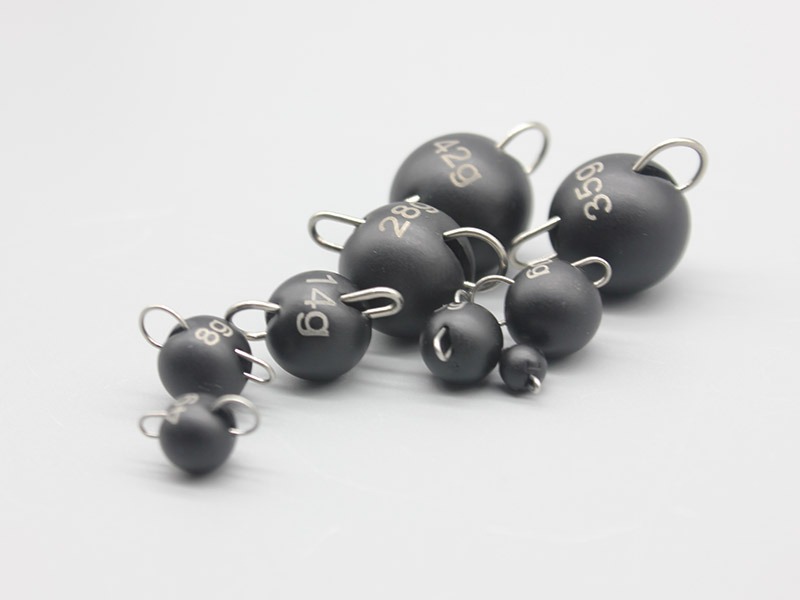
What I love about the tungsten jig is how fast it sinks and how naturally it moves in the water.
I’ve used the tungsten jig for months, and its weight balance makes it super easy to control even in deep spots.
To protect the privacy of our buyers, only public service email domains like Gmail, Yahoo, and MSN will be displayed. Additionally, only a limited portion of the inquiry content will be shown.
Could you provide your latest price list and production capacity for tungsten heavy alloy bars? We p...
We are interested in tungsten heavy alloy cylinders for kinetic energy applications. Could you send ...
Copyright © Zhuzhou Jiuding Metal Technology Co., Ltd. All Rights Reserved
 EN
EN AR
AR FR
FR DE
DE HI
HI IT
IT JA
JA KO
KO PT
PT RU
RU ES
ES ID
ID LV
LV VI
VI HU
HU MS
MS GA
GA BE
BE YI
YI EU
EU