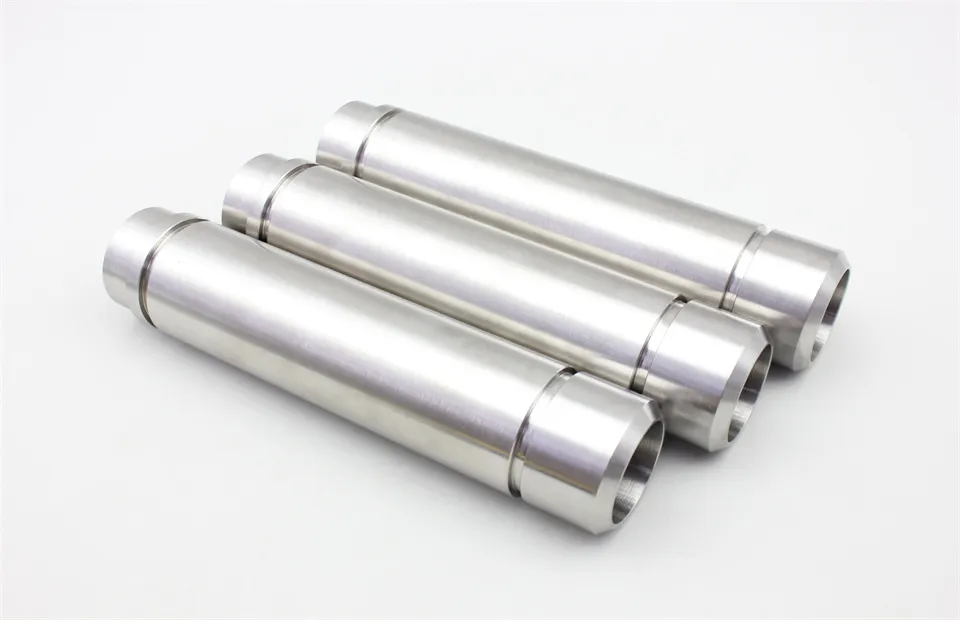
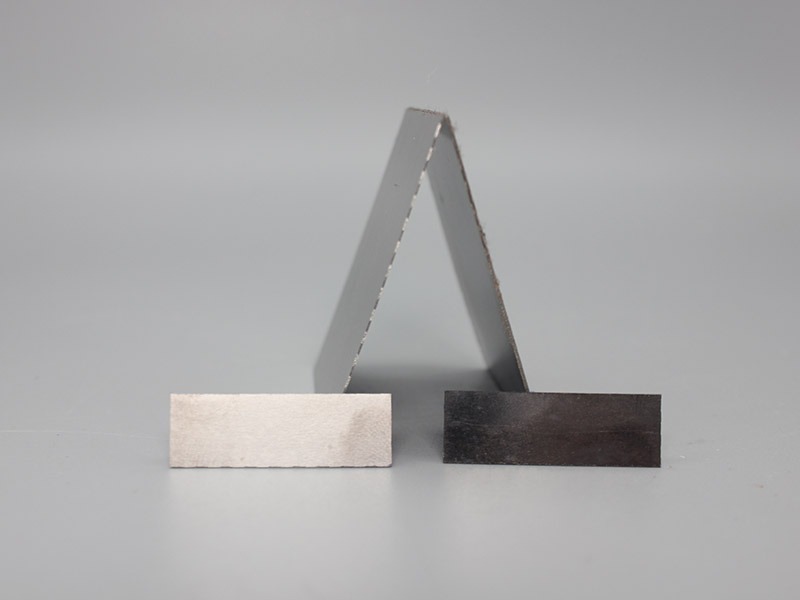
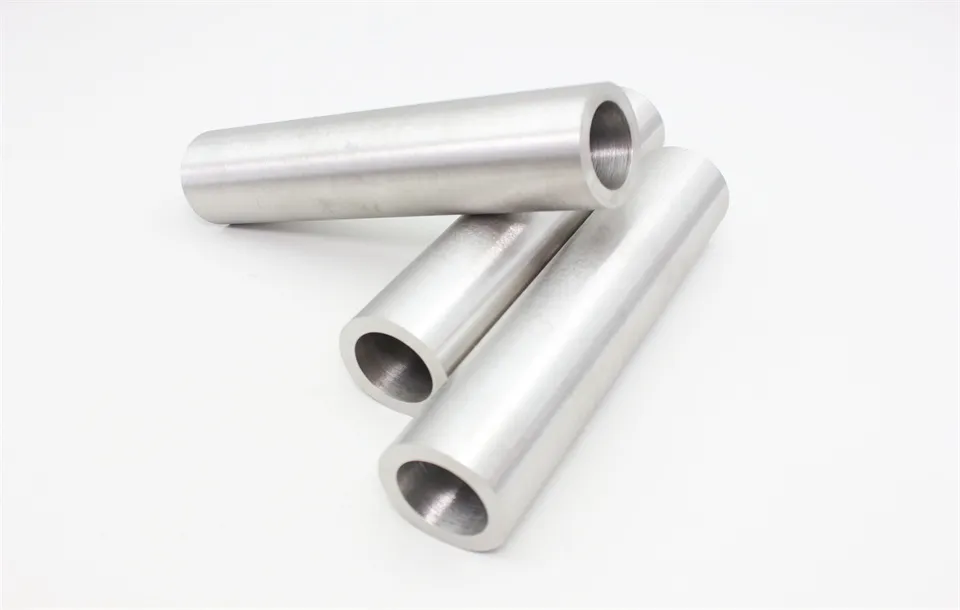
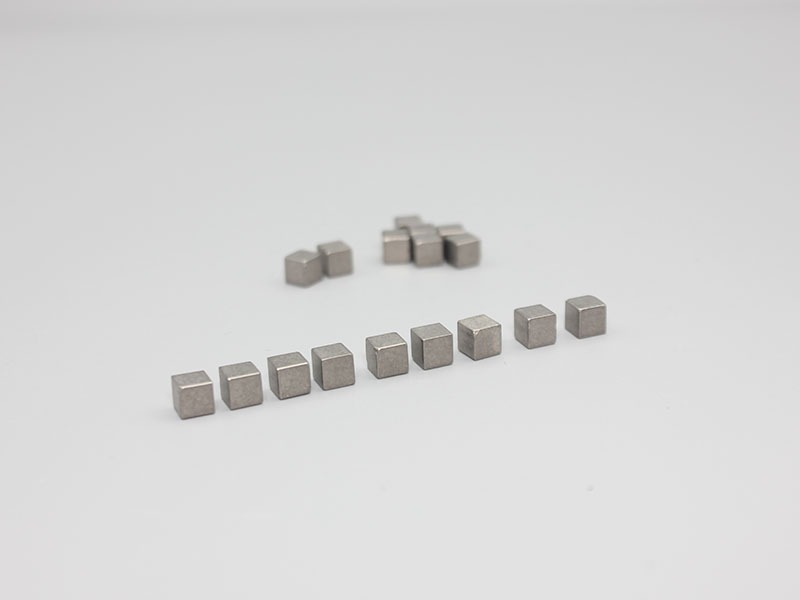
Jiuding tungsten nickel has become an important material in industries manufacturing compact and lightweight yet robust items. Its tensile strength and relative flexibility provide good performance in aerospace devices and instruments, where precision is paramount. The heat-resistance and low thermal expansion of the alloy facilitate operational precision while minimizing deformation. It is also considered a high-performance option in rotating machinery experiencing high energy-translation speeds and mechanical vibration.

Within the healthcare and medical field, Jiuding tungsten nickel enjoys a wide application in shielding against radiation and as counterbalance configurations. Safety is critical in diagnosis equipment and groundbreaking technologies such as linear accelerators and gamma cameras. The aforementioned density allows for a smaller and lighter component, without sacrificing protection, which is a key driver of advanced technologies in modern healthcare applications.
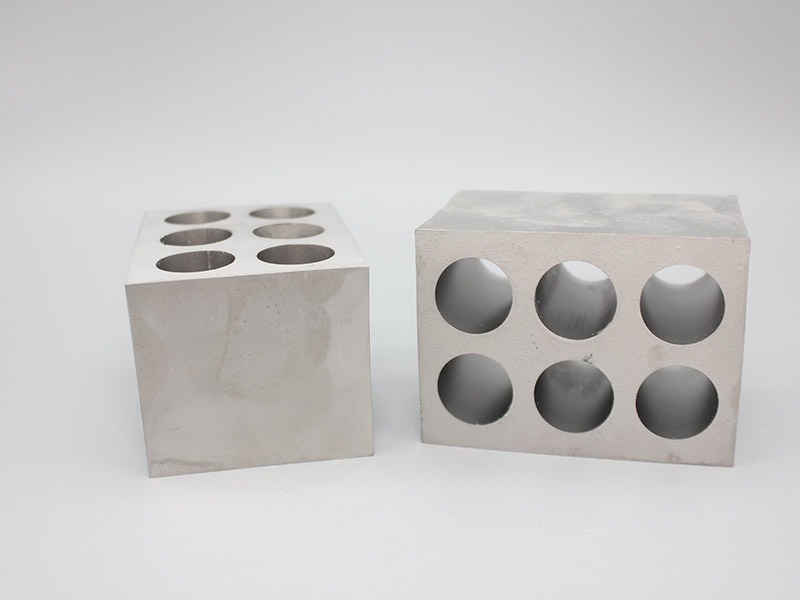
As sustainability becomes a priority, the future of Jiuding tungsten nickel will be related to effective recycling and cleaner production methods. Researchers are focused on identifying ways to recover tungsten from industrial waste while maintaining alloy integrity. In addition, alloy will factor into the design of lightweight energy systems and smart infrastructure requiring mass and strength.
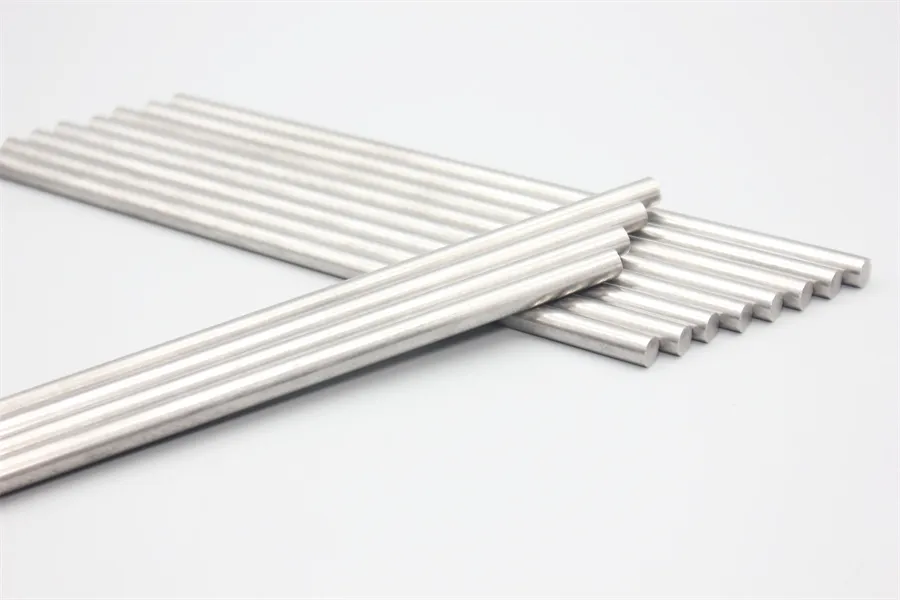
With proper care and maintenance, Jiuding tungsten nickel will provide reliable service long into the future. After use, components should be wiped down to remove moisture and debris from the surfaces as continuous exposure to these elements may cause surface oxidation. When the component is not in use, it should be stored in a temperature controlled, dry environment free from corrosion or mechanical fatigue.
Due to its adequate mechanical properties, in addition to its similarity to tungsten, Jiuding tungsten nickel is made from tungsten in conjunction with nickel and iron to achieve both strength and ductility. It is often used as counterweights, kinetic energy penetrators, and for use in systems requiring precise balancing. The alloy is also stable when exposed to heavy loads ensuring an extended life of consistent service.
Q: How is Tungsten heavy alloy used in oil and gas exploration? A: It serves as a key material for counterweights, drilling tools, and downhole equipment due to its density and wear resistance. Q: What maintenance practices help preserve Tungsten heavy alloy components? A: Regular cleaning, controlled storage, and protection from moisture help prevent oxidation and extend service life. Q: Why does Tungsten heavy alloy perform well in vibration control? A: Its density and internal damping capacity reduce oscillations in precision machinery and aerospace systems. Q: What machining techniques are best for Tungsten heavy alloy? A: CNC milling, grinding, and electrical discharge machining are commonly used for shaping Tungsten heavy alloy with precision. Q: How does Tungsten heavy alloy support environmental sustainability? A: It replaces toxic lead in many applications while offering durability and recyclability for eco-friendly production cycles.
The Tungsten heavy alloy provides solid consistency in production; every piece meets our exact requirements.
The Tungsten heavy alloy handles extreme pressure and heat better than most metals I’ve used.
To protect the privacy of our buyers, only public service email domains like Gmail, Yahoo, and MSN will be displayed. Additionally, only a limited portion of the inquiry content will be shown.
Could you provide info about your heavy-duty tungsten jig types suitable for deep-sea fishing? Looki...
We are looking for high-density tungsten jig for our upcoming fishing gear line. Could you please se...
Copyright © Zhuzhou Jiuding Metal Technology Co., Ltd. All Rights Reserved
 EN
 AR
 FR
 DE
 HI
 IT
 JA
 KO
 PT
 RU
 ES
 ID
 LV
 VI
 HU
 MS
 GA
 BE
 YI
 EU