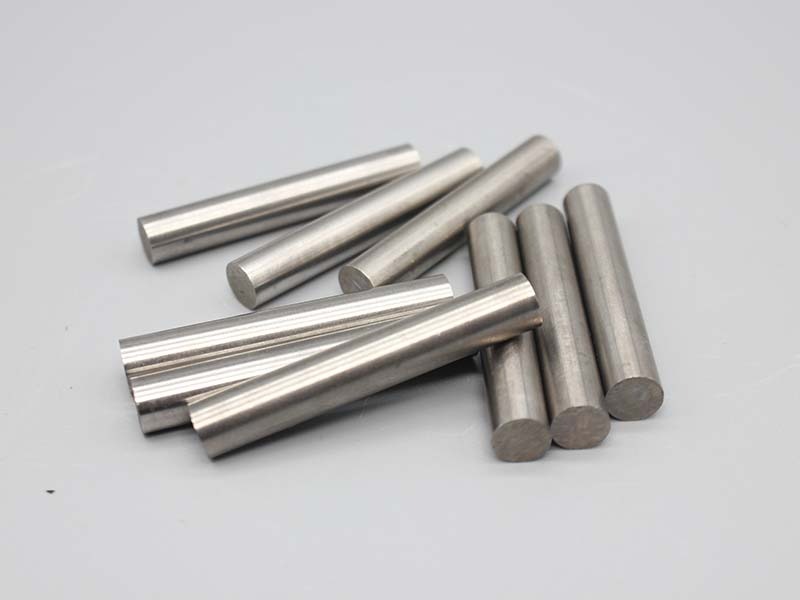
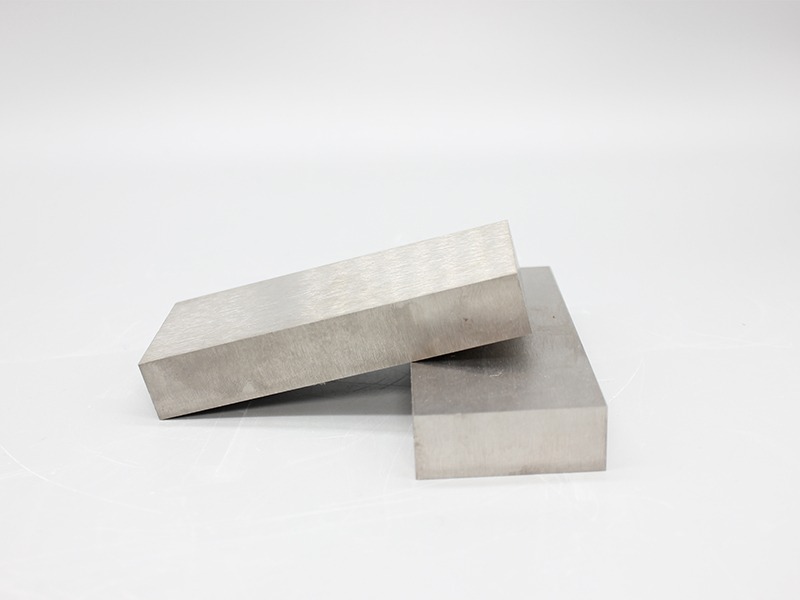
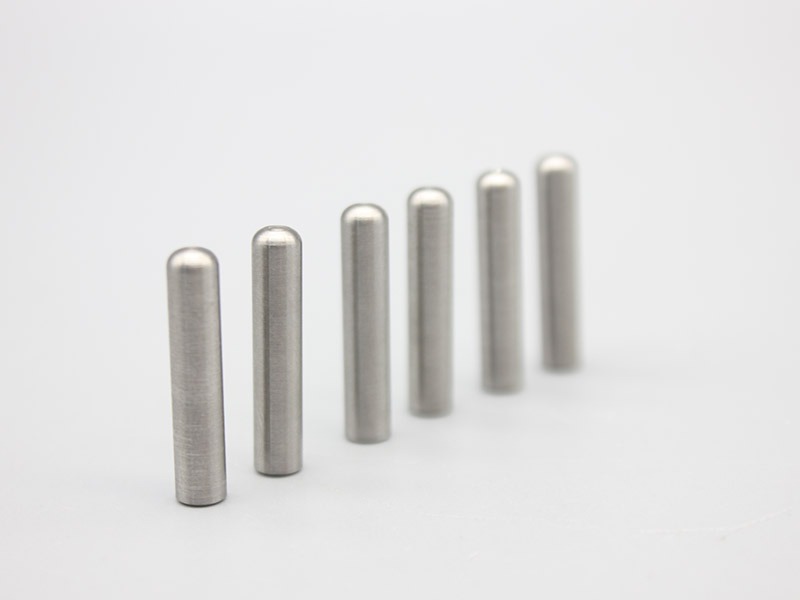
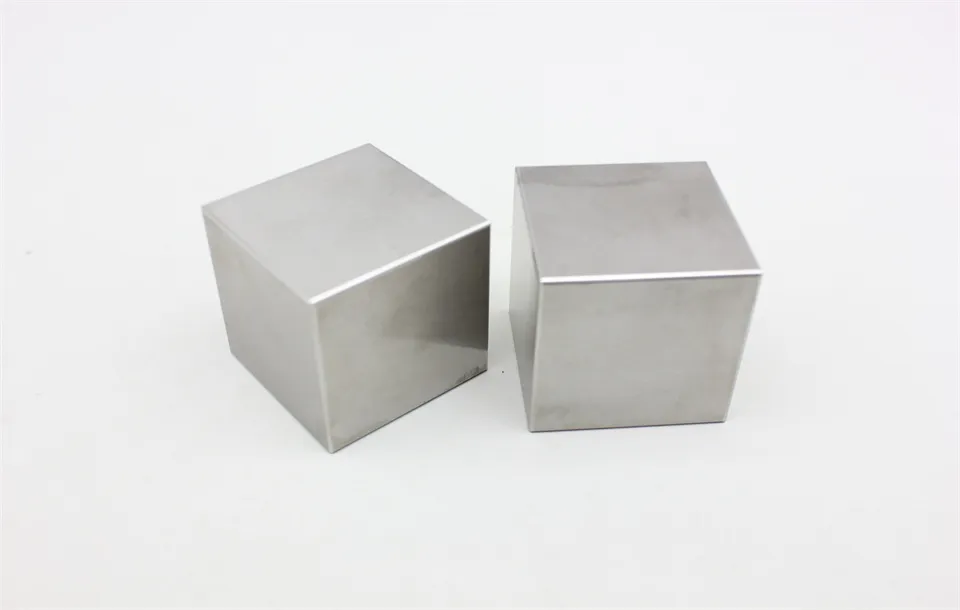
tungsten heavy alloy wires has become an important material in industries manufacturing compact and lightweight yet robust items. Its tensile strength and relative flexibility provide good performance in aerospace devices and instruments, where precision is paramount. The heat-resistance and low thermal expansion of the alloy facilitate operational precision while minimizing deformation. It is also considered a high-performance option in rotating machinery experiencing high energy-translation speeds and mechanical vibration.
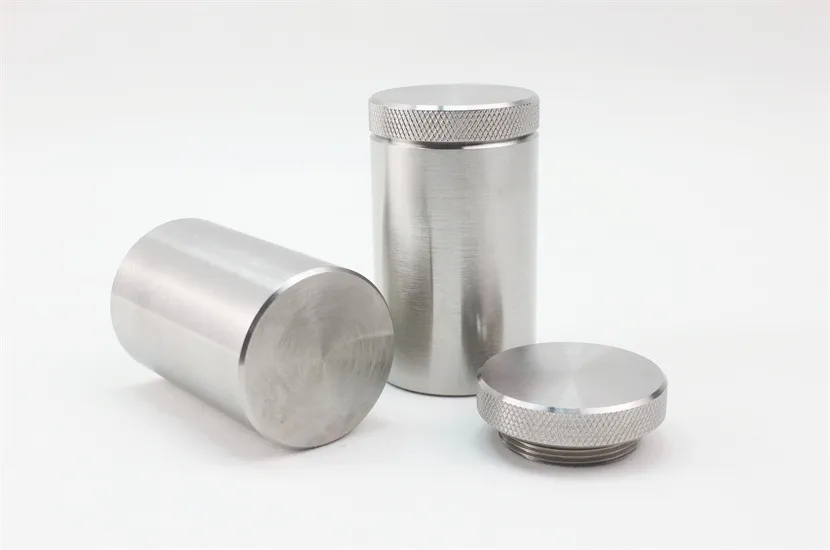
Within the healthcare and medical field, tungsten heavy alloy wires enjoys a wide application in shielding against radiation and as counterbalance configurations. Safety is critical in diagnosis equipment and groundbreaking technologies such as linear accelerators and gamma cameras. The aforementioned density allows for a smaller and lighter component, without sacrificing protection, which is a key driver of advanced technologies in modern healthcare applications.
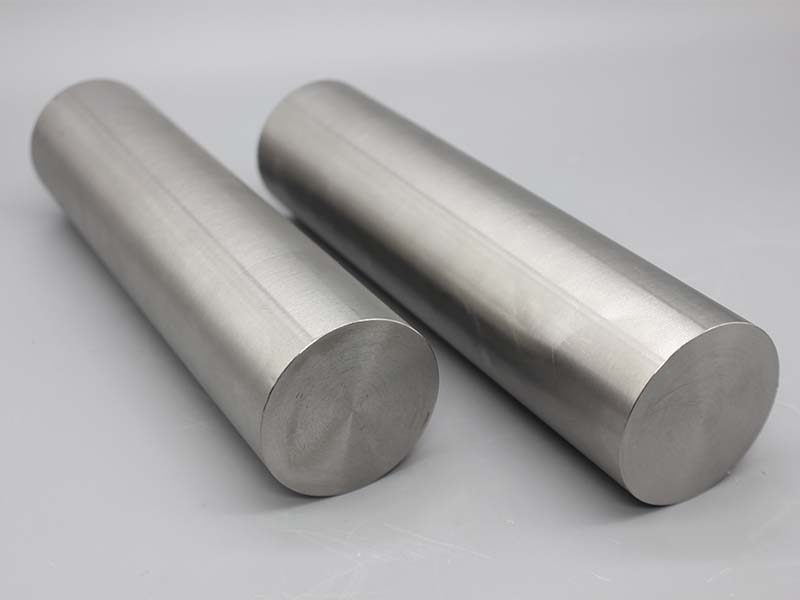
The increasing global focus on clean energy and smart materials will provide direction for future tungsten heavy alloy wires. It will be integrated into wind turbine systems, advanced weapons stabilization, and sustainable transportation methods. Designing hybrid alloys will improve performance and capability while incorporating environmental performance.
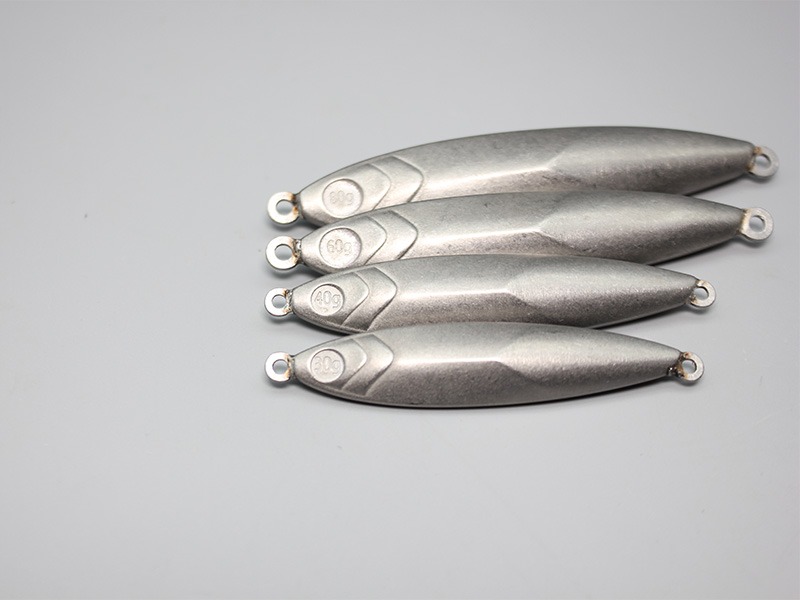
To maintain the functional characteristics of tungsten heavy alloy wires, it is recommended that a periodic inspection for surface wear or deformation be carried out. Non-corrosive solvents work well for cleaning surfaces and maintaining smooth surfaces with appropriate care and function. Contact with strong acids and strong alkalis should be avoided, as these can attack the alloy's protective finish.
tungsten heavy alloy wires provides weight efficiency with thermal management in advanced engineered systems. The dense character of the material provides mechanical stability and vibration control. Due to its density, tungsten heavy alloy wires is very likely to be encountered in precision machines, components of missiles, and other engineering systems.
Q: How is Tungsten heavy alloy used in oil and gas exploration? A: It serves as a key material for counterweights, drilling tools, and downhole equipment due to its density and wear resistance. Q: What maintenance practices help preserve Tungsten heavy alloy components? A: Regular cleaning, controlled storage, and protection from moisture help prevent oxidation and extend service life. Q: Why does Tungsten heavy alloy perform well in vibration control? A: Its density and internal damping capacity reduce oscillations in precision machinery and aerospace systems. Q: What machining techniques are best for Tungsten heavy alloy? A: CNC milling, grinding, and electrical discharge machining are commonly used for shaping Tungsten heavy alloy with precision. Q: How does Tungsten heavy alloy support environmental sustainability? A: It replaces toxic lead in many applications while offering durability and recyclability for eco-friendly production cycles.
The Tungsten heavy alloy handles extreme pressure and heat better than most metals I’ve used.
I appreciate that Tungsten heavy alloy is non-toxic yet just as heavy and stable as lead — a smart upgrade.
To protect the privacy of our buyers, only public service email domains like Gmail, Yahoo, and MSN will be displayed. Additionally, only a limited portion of the inquiry content will be shown.
I’m interested in your tungsten jig models used for saltwater fishing. Please share your catalog a...
Could you provide your latest price list and production capacity for tungsten heavy alloy bars? We p...
Copyright © Zhuzhou Jiuding Metal Technology Co., Ltd. All Rights Reserved
 EN
 AR
 FR
 DE
 HI
 IT
 JA
 KO
 PT
 RU
 ES
 ID
 LV
 VI
 HU
 MS
 GA
 BE
 YI
 EU