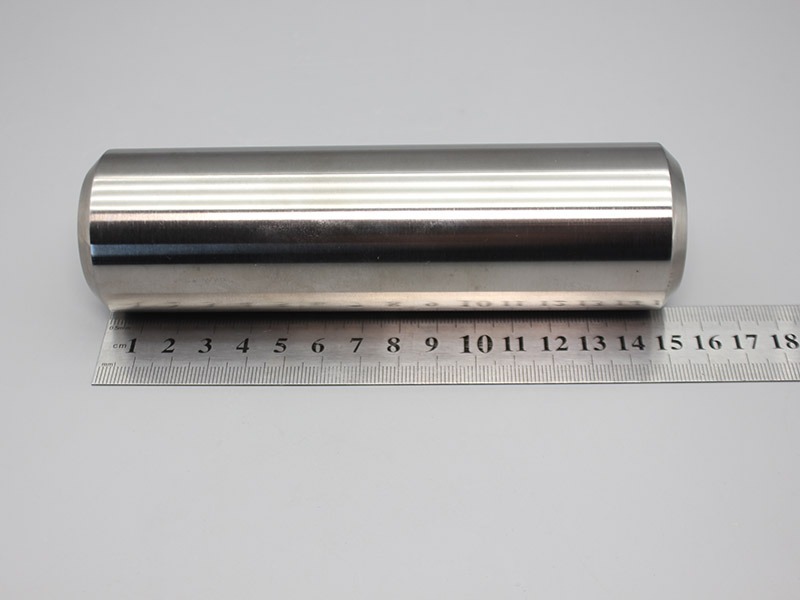
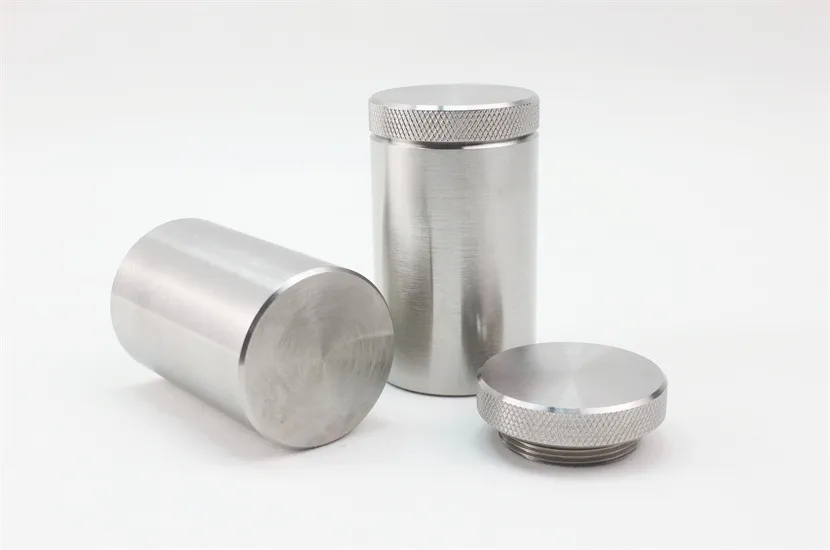
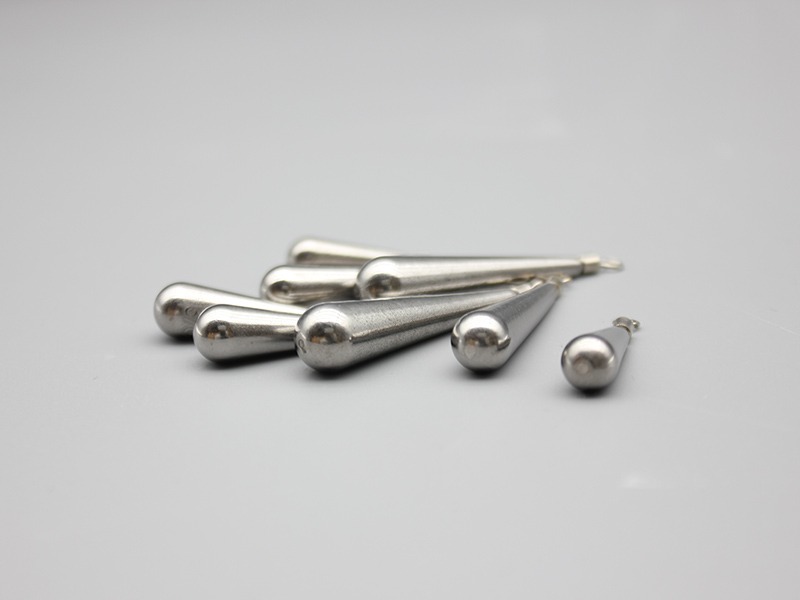
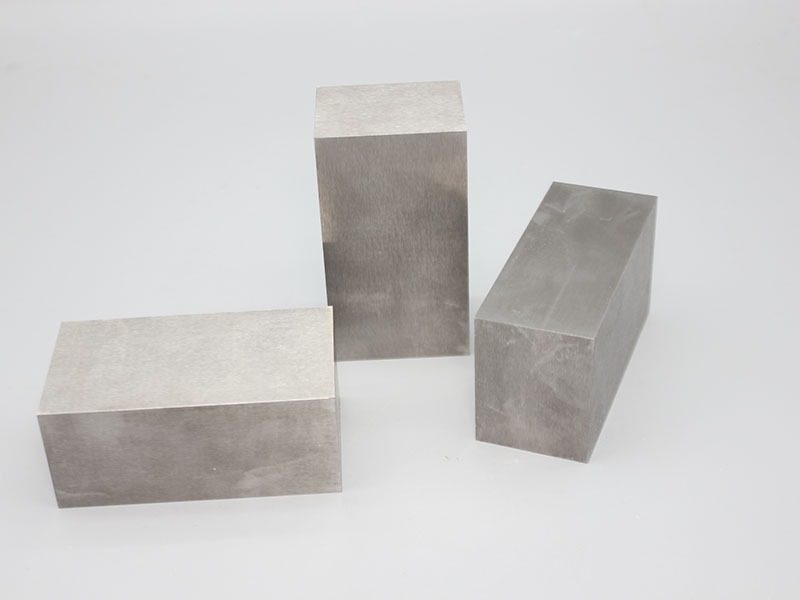
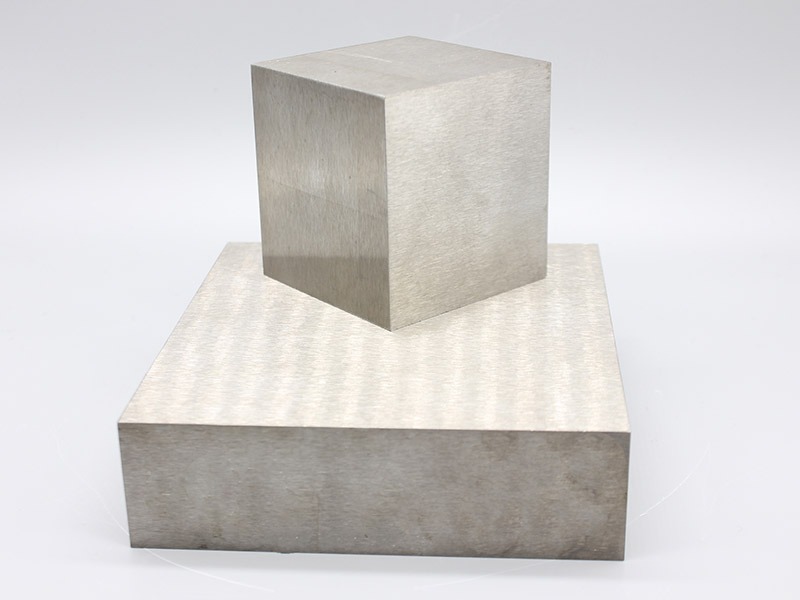
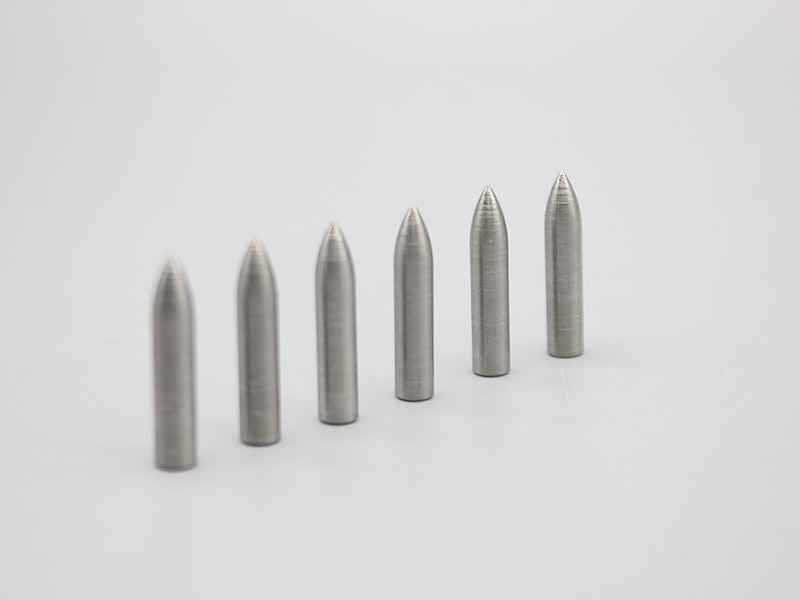
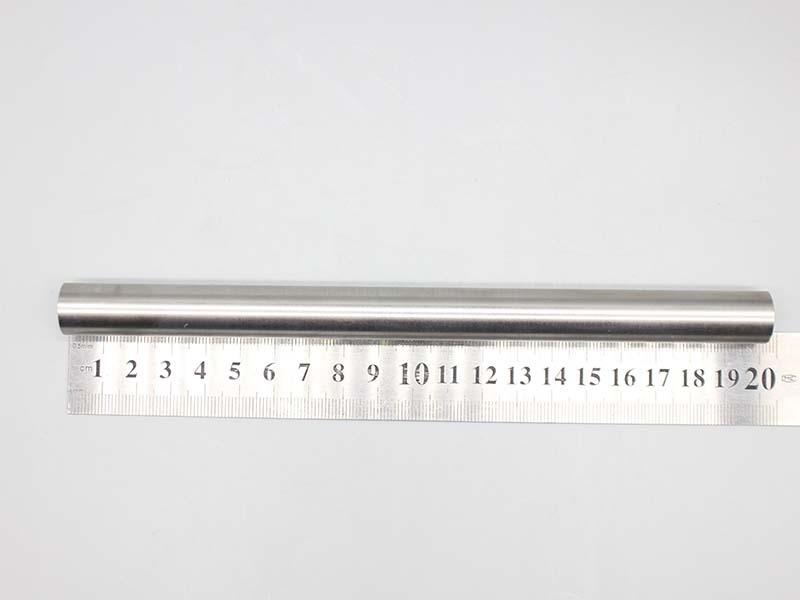
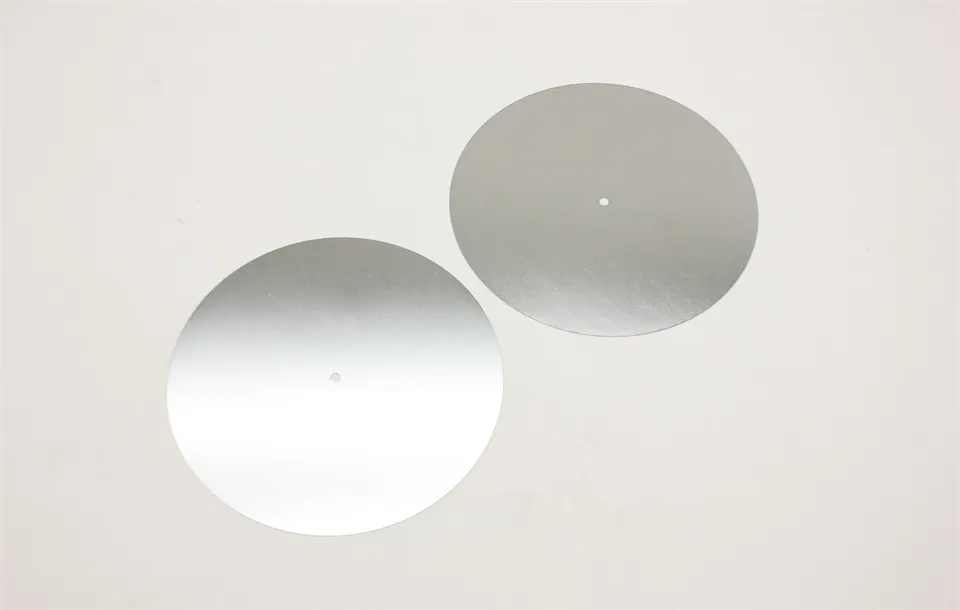
Jiuding tungsten heavy alloy sheet offers an amazing density producing effective performance in various mechanical and radiation contexts. It is commonly converted to use in producing compact counterbalances, for impact tools, and for barriers against gamma rays. The alloy's microstructural stability when under heat and compression makes it a go-to for defense and energy generation contexts. Lastly, it boasts long-term ability to reduce wear that can inhibit mechanical efficiency.
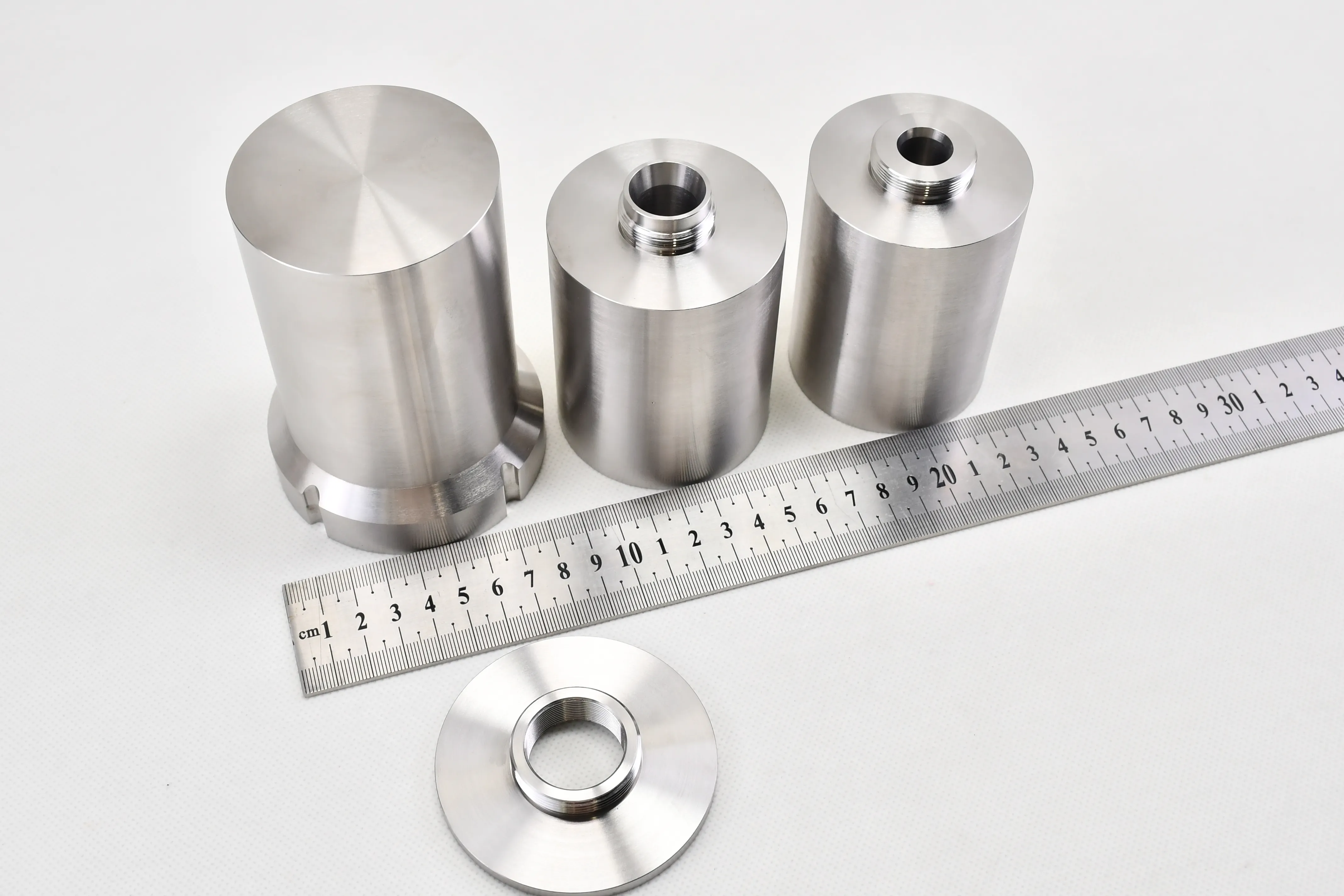
Jiuding tungsten heavy alloy sheet is growing in use in the automotive industry as precautions in crankshaft balancing, as a damping element, and for high-performance racing components. Its dense design allows for precise control of oscillatory rotational forces to enhance vehicle stability and overall engine efficiency. The material's durability in high-temperature and stress environments serves to maximize operational performance over the lifespan of the engine.

In the following years expect a confluence of Jiuding tungsten heavy alloy sheet with advanced composites for hybrid engineered materials. The hybrids will provide flexibility, corrosion resistance and weight reduction benefits. In addition, as industries look for stable and energy absorbing materials, the role of alloy in electric mobility and autonomous vehicles will grow.
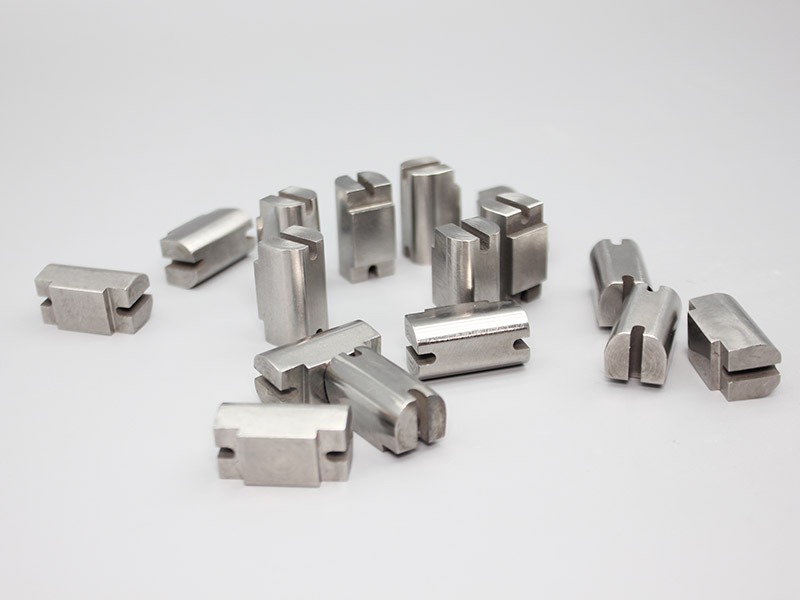
To maintain the functional characteristics of Jiuding tungsten heavy alloy sheet, it is recommended that a periodic inspection for surface wear or deformation be carried out. Non-corrosive solvents work well for cleaning surfaces and maintaining smooth surfaces with appropriate care and function. Contact with strong acids and strong alkalis should be avoided, as these can attack the alloy's protective finish.
The metal's durability, Jiuding tungsten heavy alloy sheet, supports demanding mechanical operations in the automotive and marine industries. Its main attributes of wear resistance and strength, along with the characteristics of high-performance, ensure the lift of the main product over long-term operations.
Q: What makes Tungsten heavy alloy essential in engineering applications? A: Tungsten heavy alloy is essential because of its exceptional density, hardness, and thermal stability, making it reliable for use in high-performance mechanical and structural components. Q: How is Tungsten heavy alloy produced? A: It is made through powder metallurgy, where tungsten powder is blended with nickel, iron, or copper and sintered at high temperatures to form a compact, durable alloy. Q: Why is Tungsten heavy alloy suitable for aerospace industries? A: Its superior weight distribution and resistance to thermal stress make it perfect for use in counterbalances, rotor systems, and aircraft control components. Q: Can Tungsten heavy alloy be machined easily? A: While it is very dense and hard, it can be precisely machined using specialized tools designed for high-strength materials. Q: In which fields is Tungsten heavy alloy commonly applied? A: It is widely used in defense, medical imaging, oil drilling, aerospace, and industrial balancing systems.
The Tungsten heavy alloy has impressive density and strength — it’s perfect for high-performance machinery.
I’ve worked with Tungsten heavy alloy materials for years, and they never disappoint in precision or reliability.
To protect the privacy of our buyers, only public service email domains like Gmail, Yahoo, and MSN will be displayed. Additionally, only a limited portion of the inquiry content will be shown.
We are a machining parts supplier seeking tungsten heavy alloy rods for precision components. Kindly...
We are interested in tungsten heavy alloy cylinders for kinetic energy applications. Could you send ...
Copyright © Zhuzhou Jiuding Metal Technology Co., Ltd. All Rights Reserved
 EN
 AR
 FR
 DE
 HI
 IT
 JA
 KO
 PT
 RU
 ES
 ID
 LV
 VI
 HU
 MS
 GA
 BE
 YI
 EU