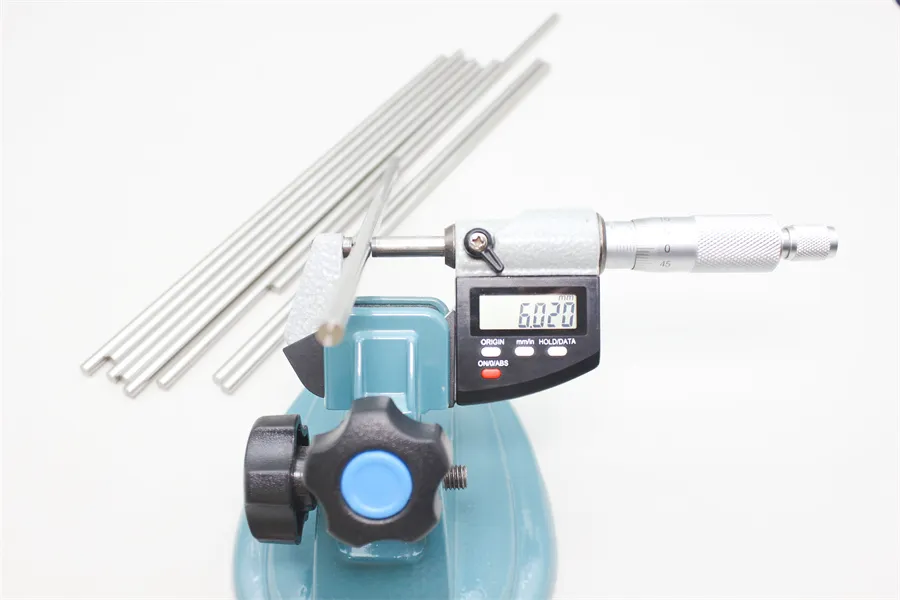
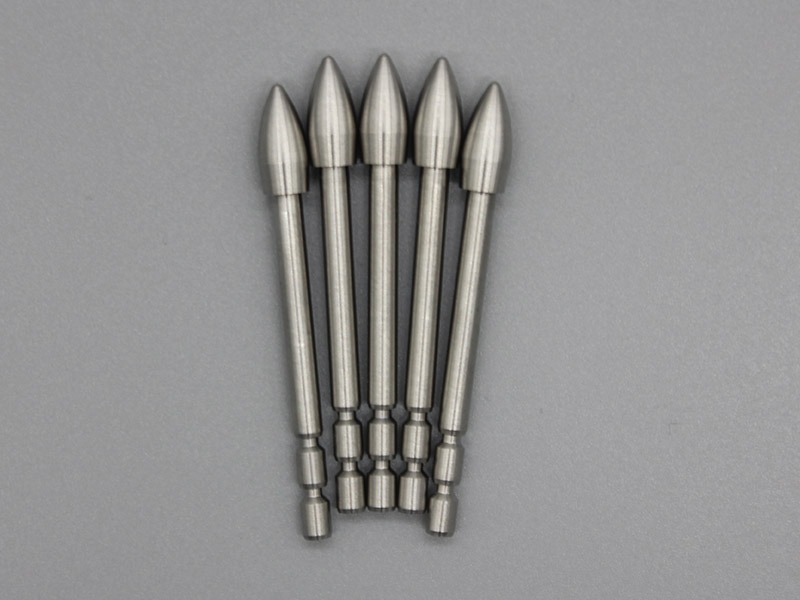
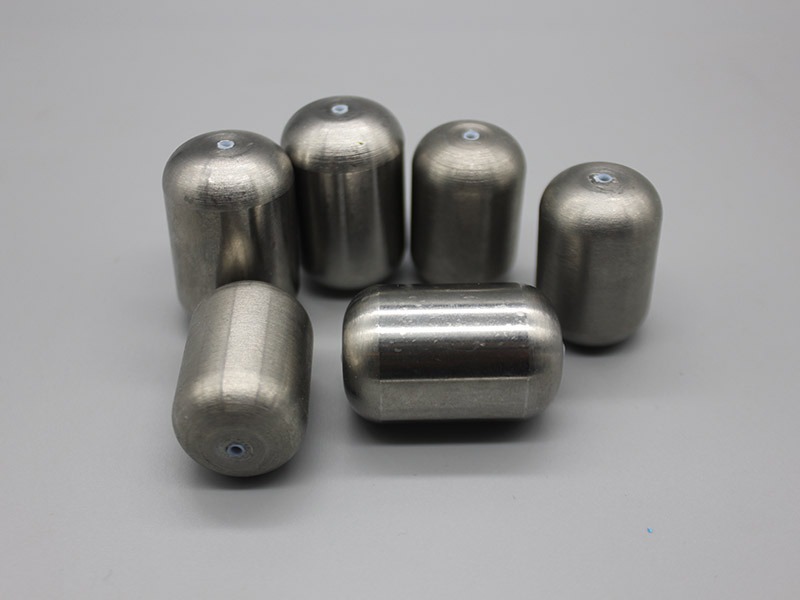
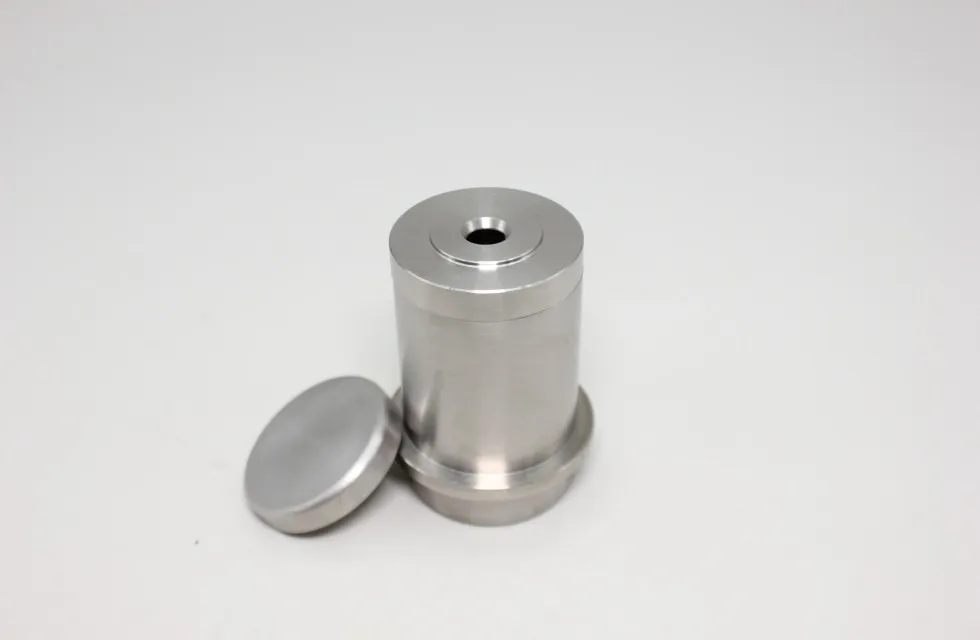
The heavy composition of heavy alloy tungsten usually contributes to excellent mechanical equilibrium and also energy transfer capability. The there being a good microstructure the material becomes not only more durable but less prone to failing even if the demand is for cyclic loading. Industries count on its stability for the making of gyroscopes, flywheels, and precision molds. The mix of density and non-corrosive nature makes heavy alloy tungsten the right choice for the locations where the operations are either in the sea or at high temperatures, thus, the performance continuity for the demanding industrial tasks is assured.
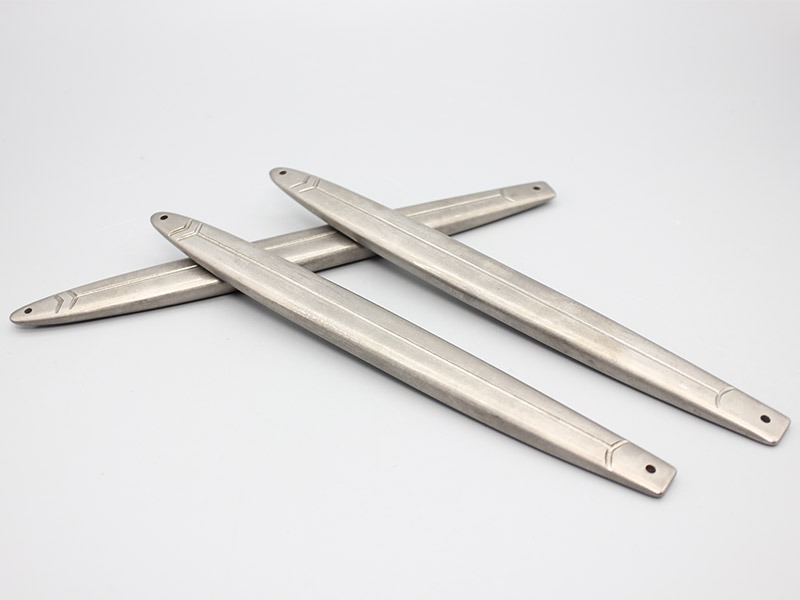
heavy alloy tungsten has proven widely utilized in the defense and ballistics sector. Its compact mass and hardness permit penetrators, kinetic rods, and fragmentation cores to be made. Each component works using heavy alloy tungsten for greater kinetic energy transfer and penetration power. Each component of a munitions system must perform effectively and reliably under military requests.
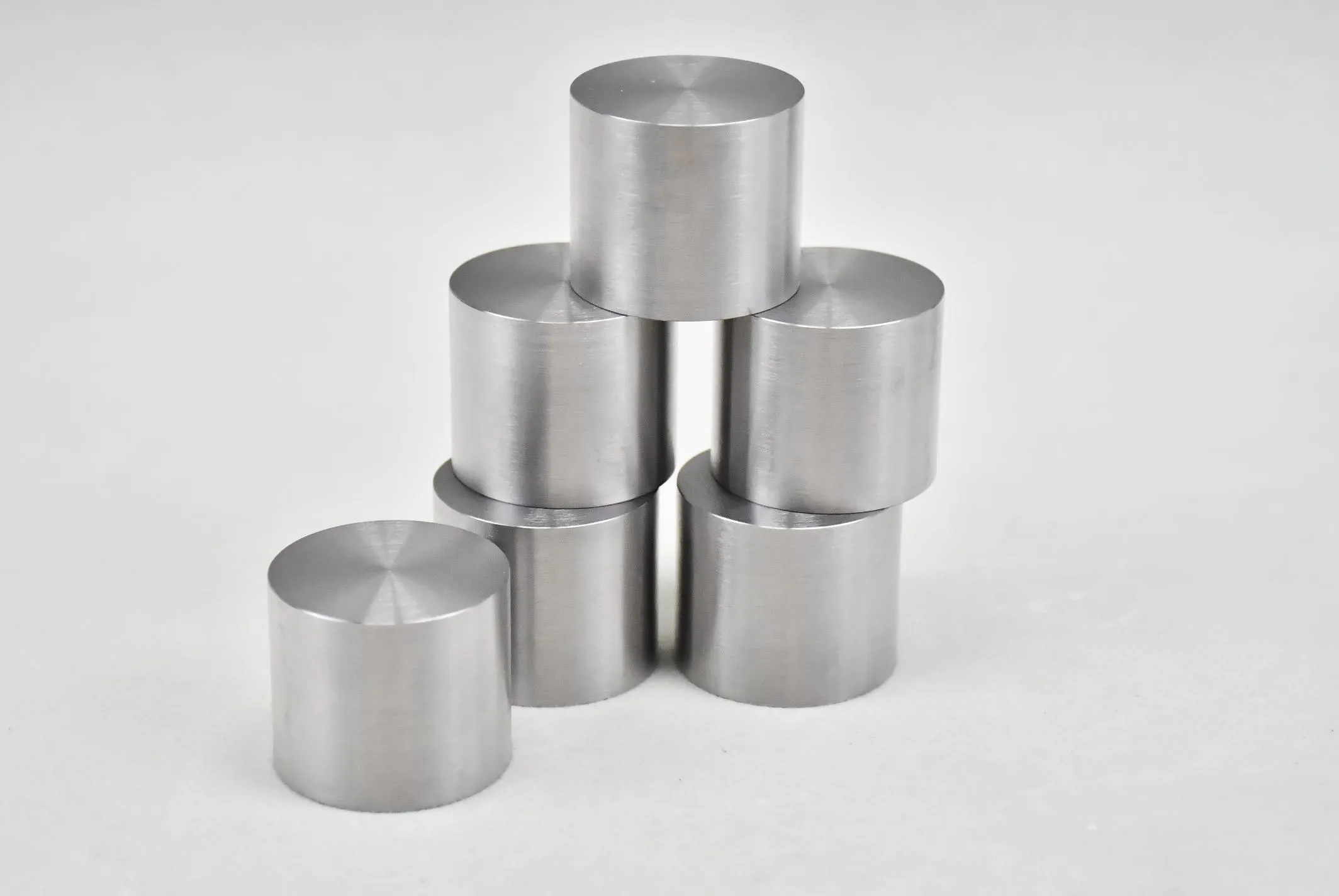
Accelerating technological miniaturization will ensure heavy alloy tungsten have a primary role in creating small, high-precision components. Its thermal management capability will allow micro-electronic devices, and its dependability will grant advantages to industries like robotics, aerospace, and defense; all of which are concerned with extreme accuracy.
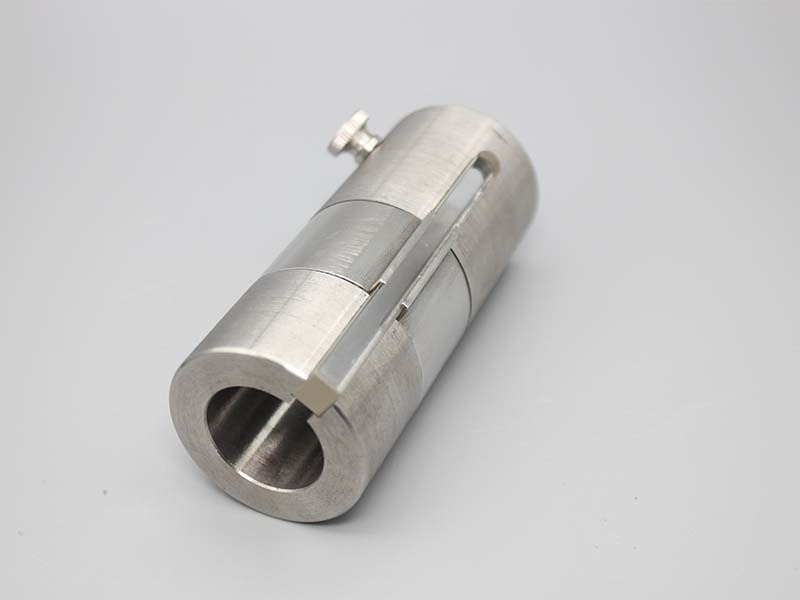
To maintain the functional characteristics of heavy alloy tungsten, it is recommended that a periodic inspection for surface wear or deformation be carried out. Non-corrosive solvents work well for cleaning surfaces and maintaining smooth surfaces with appropriate care and function. Contact with strong acids and strong alkalis should be avoided, as these can attack the alloy's protective finish.
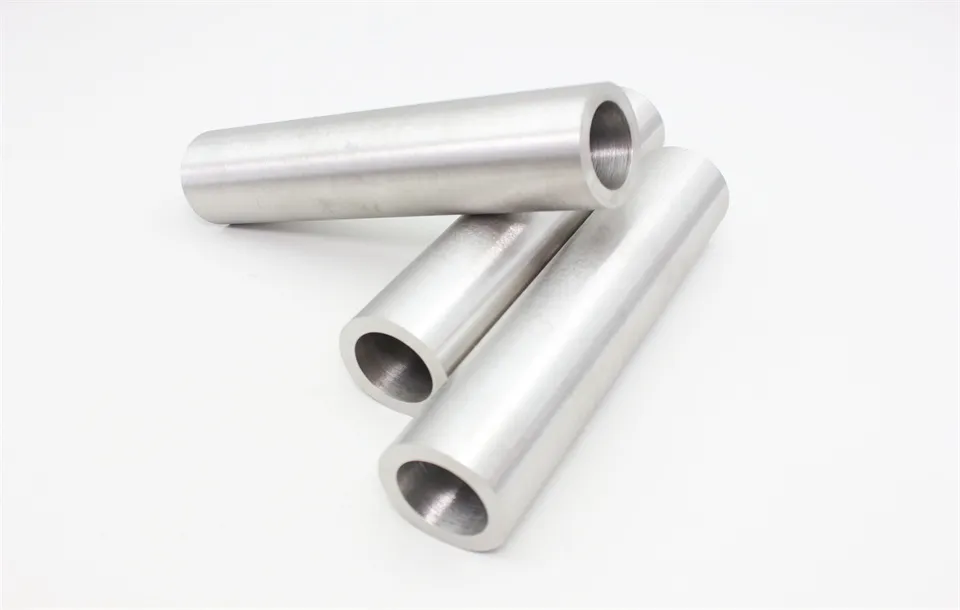
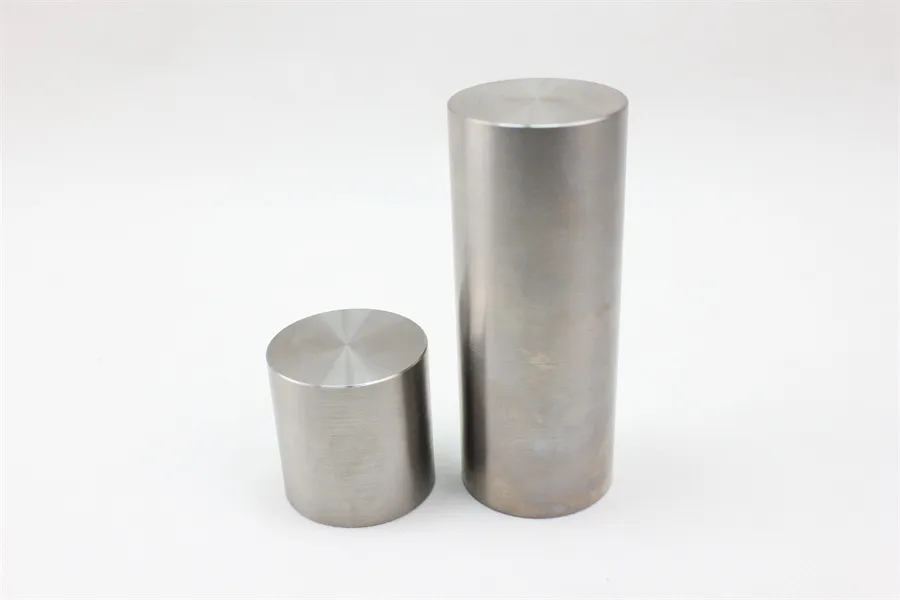
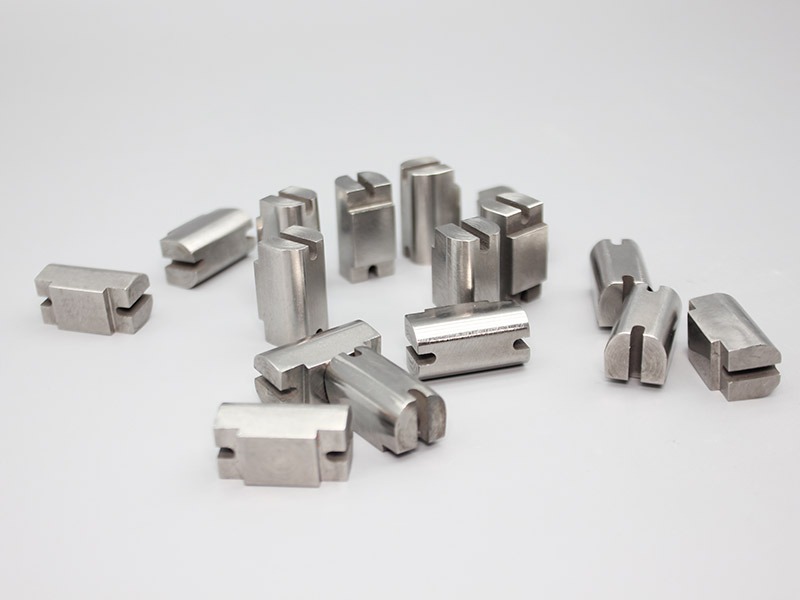
heavy alloy tungsten is specifically designed for high performance applications, combining hardness with good machinability. Common applications include for counter weights, ballistic applications, and vibration damping structures. The consistent physical properties of the material provide a high level of precision and durability in a final product.
Q: How is Tungsten heavy alloy used in oil and gas exploration? A: It serves as a key material for counterweights, drilling tools, and downhole equipment due to its density and wear resistance. Q: What maintenance practices help preserve Tungsten heavy alloy components? A: Regular cleaning, controlled storage, and protection from moisture help prevent oxidation and extend service life. Q: Why does Tungsten heavy alloy perform well in vibration control? A: Its density and internal damping capacity reduce oscillations in precision machinery and aerospace systems. Q: What machining techniques are best for Tungsten heavy alloy? A: CNC milling, grinding, and electrical discharge machining are commonly used for shaping Tungsten heavy alloy with precision. Q: How does Tungsten heavy alloy support environmental sustainability? A: It replaces toxic lead in many applications while offering durability and recyclability for eco-friendly production cycles.
The Tungsten heavy alloy provides solid consistency in production; every piece meets our exact requirements.
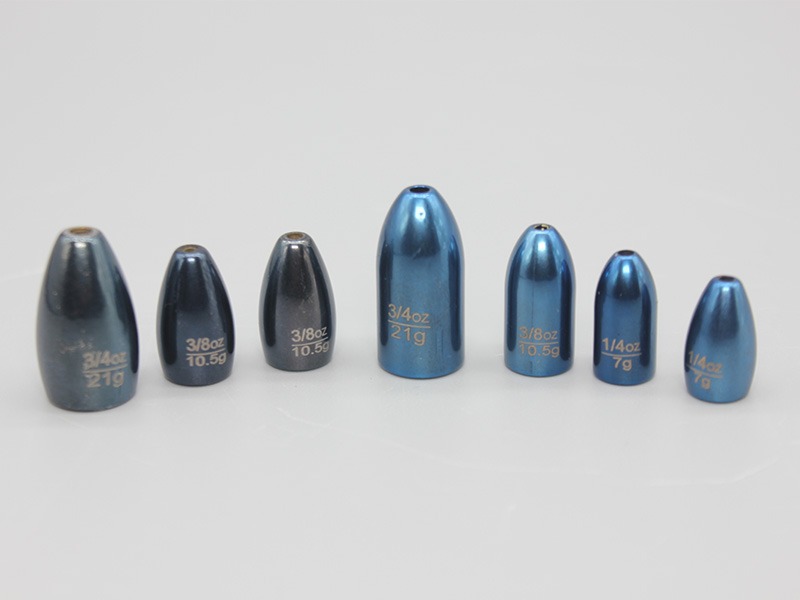
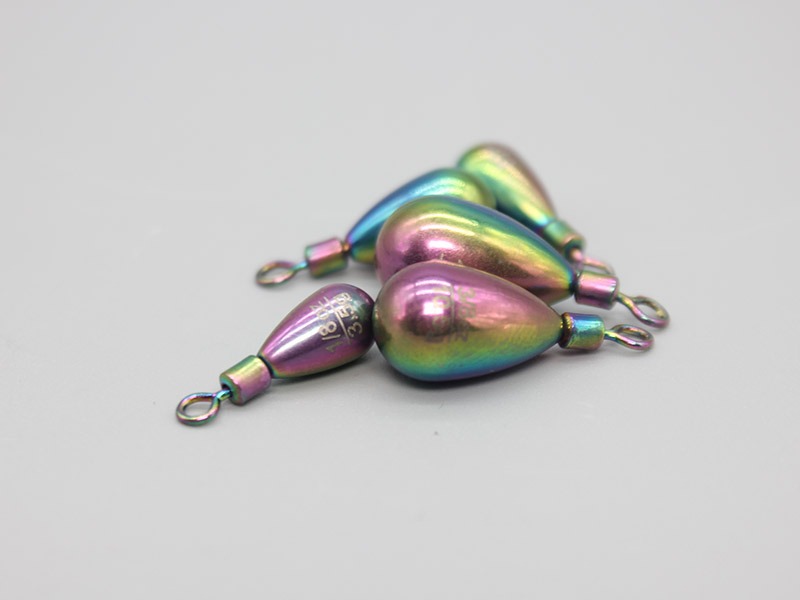
The tungsten jig performs great in both saltwater and freshwater; it doesn’t rust or wear out easily.
To protect the privacy of our buyers, only public service email domains like Gmail, Yahoo, and MSN will be displayed. Additionally, only a limited portion of the inquiry content will be shown.
We are looking for high-density tungsten jig for our upcoming fishing gear line. Could you please se...
I’m interested in your tungsten jig models used for saltwater fishing. Please share your catalog a...
Copyright © Zhuzhou Jiuding Metal Technology Co., Ltd. All Rights Reserved
 EN
EN AR
AR FR
FR DE
DE HI
HI IT
IT JA
JA KO
KO PT
PT RU
RU ES
ES ID
ID LV
LV VI
VI HU
HU MS
MS GA
GA BE
BE YI
YI EU
EU