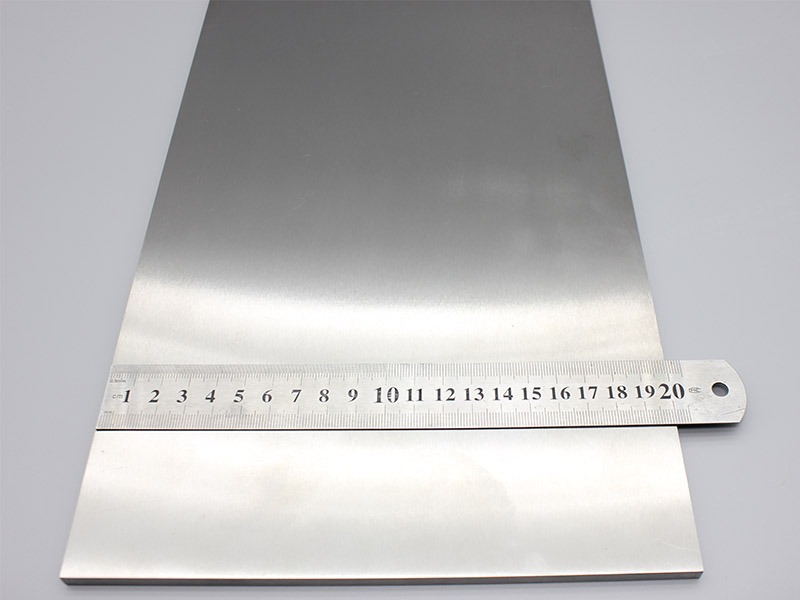
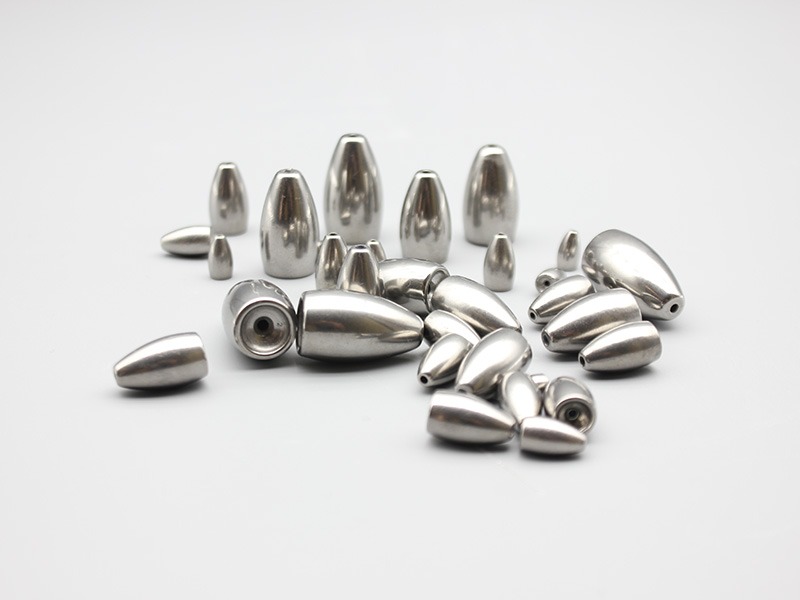
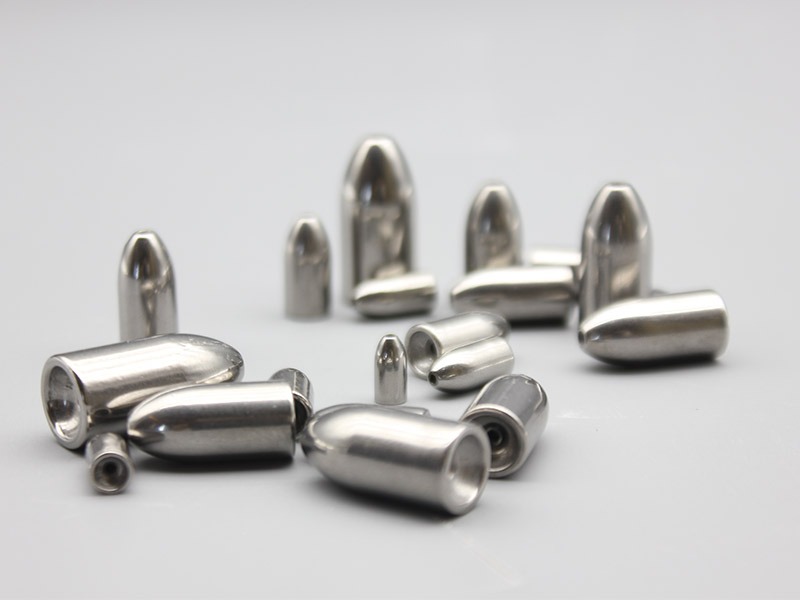
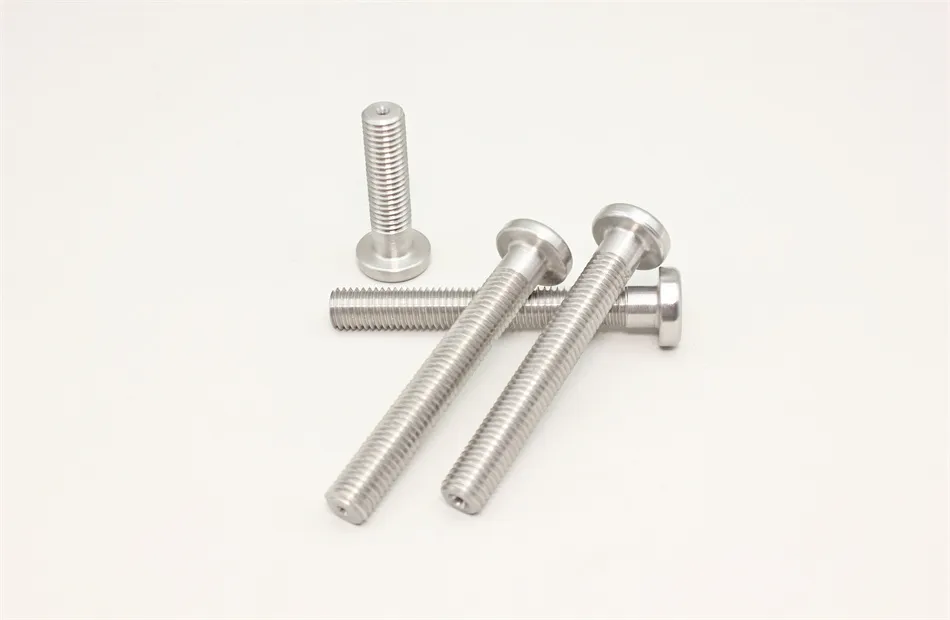
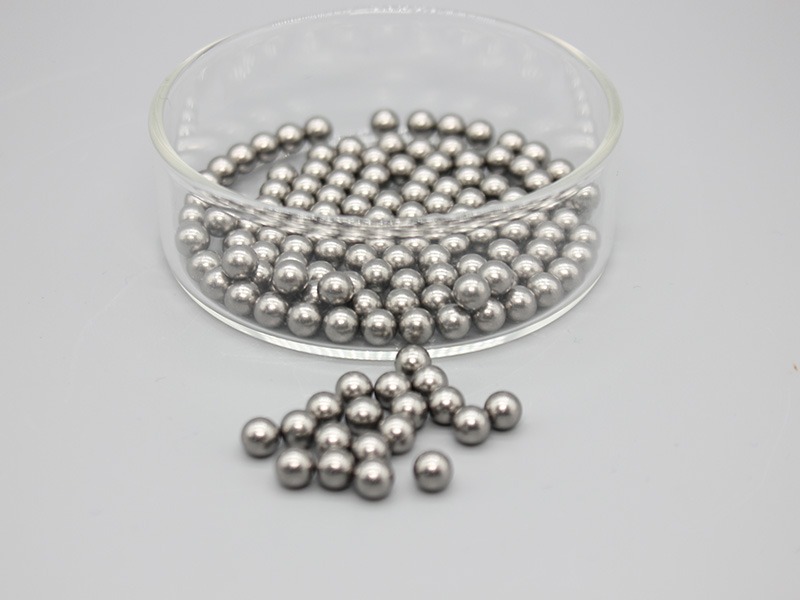
wolfram alloy stands out among industrial materials for its combination of density, strength, and corrosion resistance. It is highly valued in industries such as aerospace, automotive, and oil and gas for its ability to perform under extreme pressures and temperatures. wolfram alloy components are designed to endure heavy loads and harsh conditions, making them indispensable in high-stress environments. Its machinability also allows for precise customization, enabling manufacturers to meet specific application requirements. wolfram alloy is undoubtedly a top-tier choice for industrial solutions.
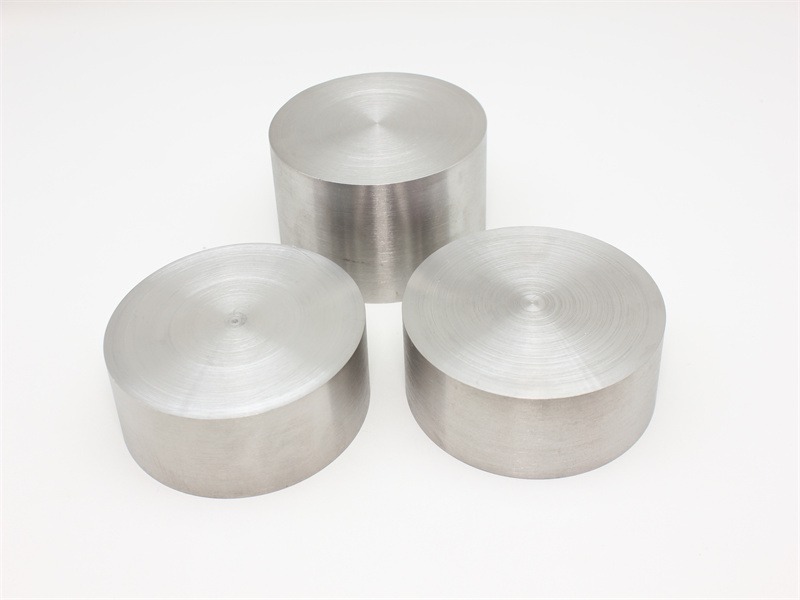
The wolfram alloy is an essential material in precision machining industries. It is used in molds, dies, and balance parts for high-speed equipment where vibration must be minimized. Its strength and stiffness ensure stable dimensional accuracy and extended service life. By maintaining balance and absorbing energy effectively, wolfram alloy assists in enhancing production quality and reducing maintenance downtime.
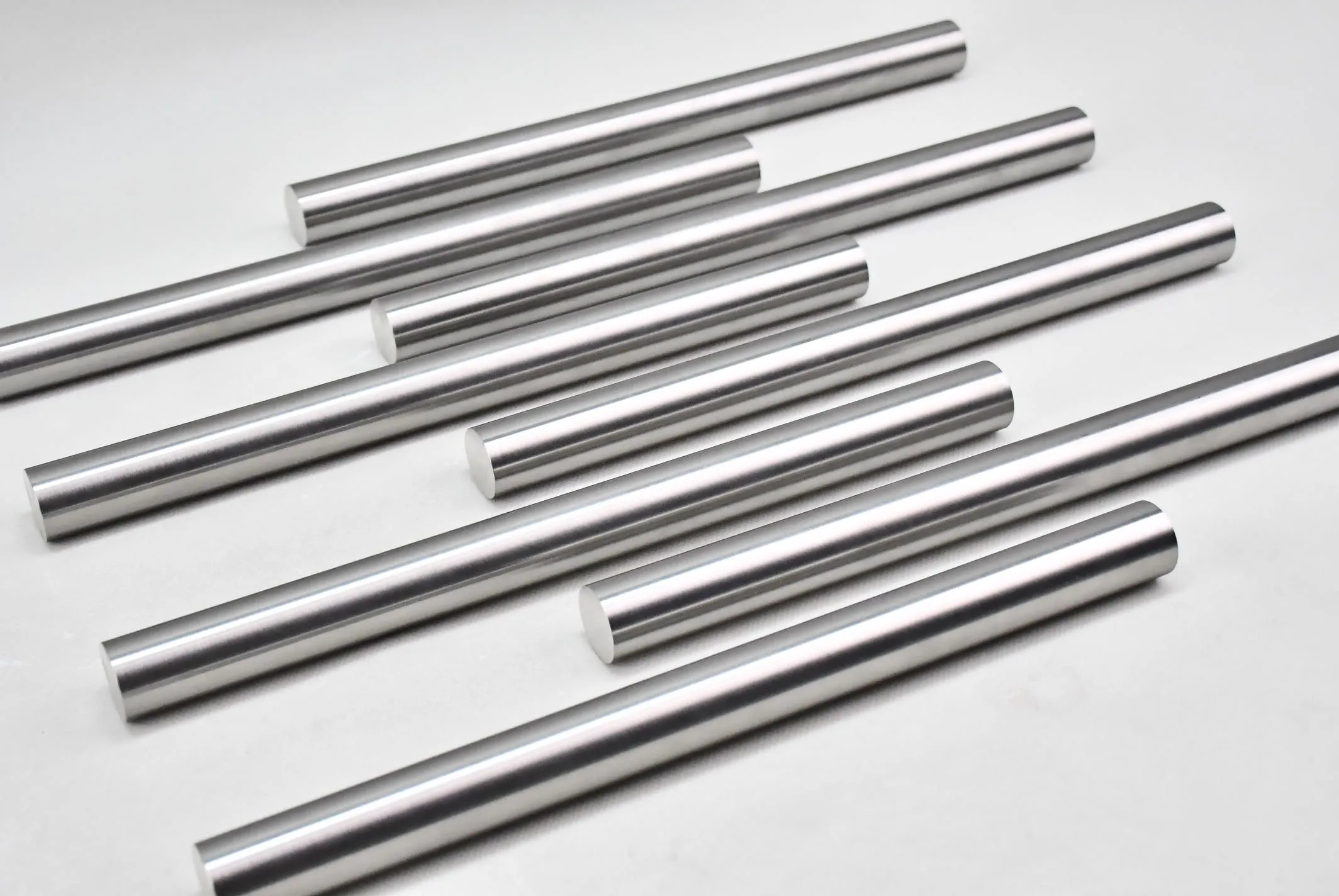
Future wolfram alloy manufacturing will involve the use of AI-aided design optimization. Predictive modeling will identify the best alloy compositions for specific industrial conditions, minimizing trial expenses and enhancing mechanical characteristics. This smart design will usher wolfram alloy into a new generation of precision materials engineering.
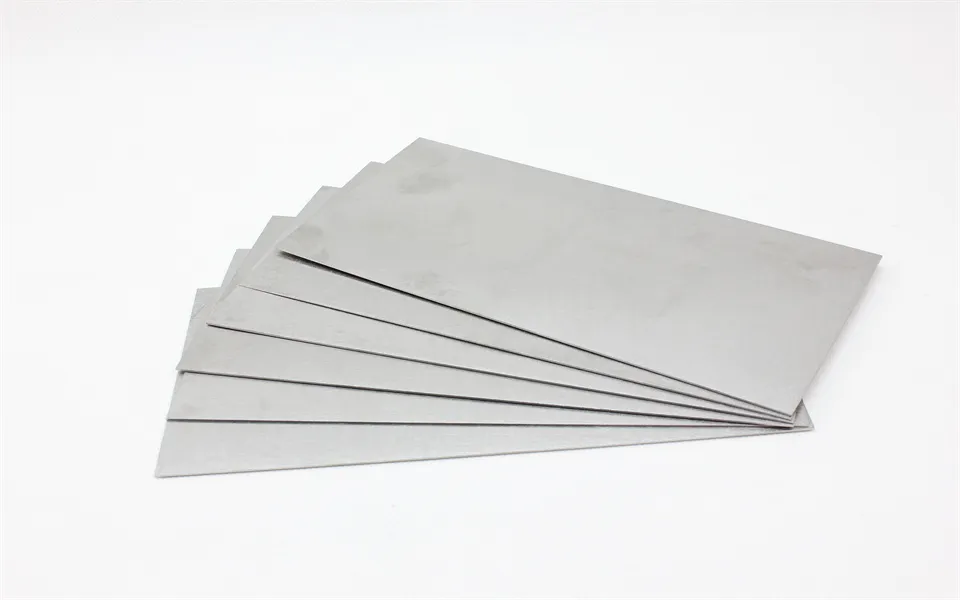
If the wolfram alloy is used in medical or radiation shielding, offer periodic density testing. Cleaning should be through certified procedures to avert contamination. Handling should be by protective gloves for scratch prevention or residue transfer. Regular quality testing maintains protective efficiency.
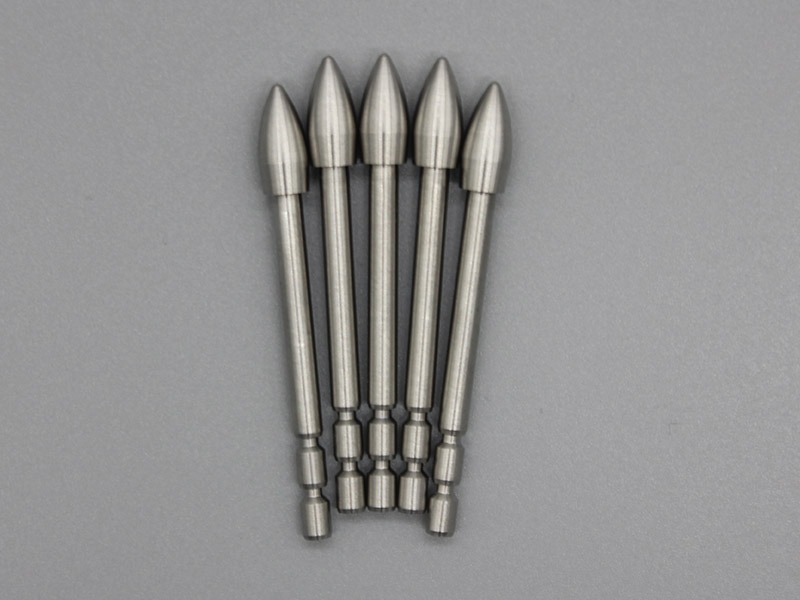
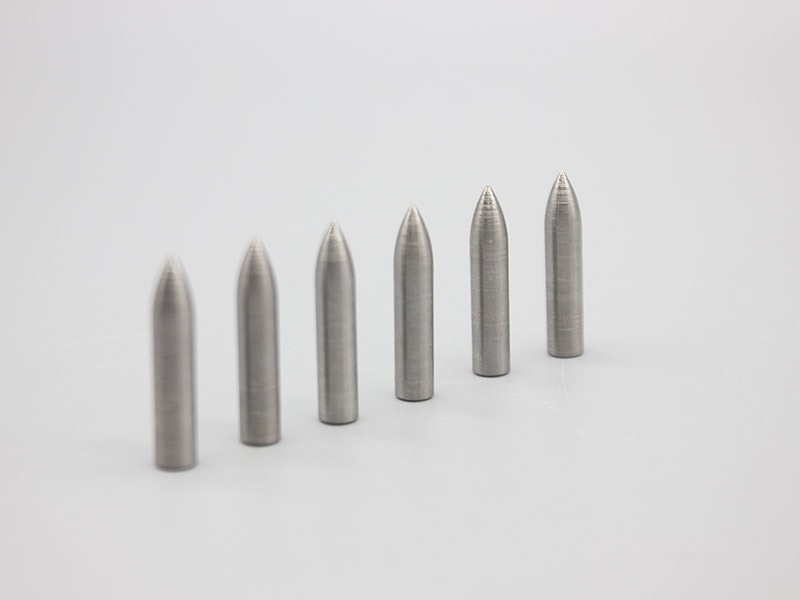
wolfram alloy is a critical material in the development of advanced ballistic solutions. Its high density and hardness make it an ideal choice for armor-piercing projectiles and counterweights in military applications. wolfram alloy’s ability to retain its properties under extreme conditions ensures superior performance in ballistic testing and real-world scenarios. Moreover, its non-toxic nature makes it a safer alternative to traditional materials like depleted uranium. For defense industries seeking reliable and eco-friendly materials, wolfram alloy offers unparalleled benefits.
Q: What are the primary applications of tungsten alloy? A: Tungsten alloy is used in a wide range of industries, including aerospace, defense, medical, automotive, and oil and gas. Common applications include counterweights, radiation shielding, armor-piercing ammunition, and drilling components due to its exceptional density and durability. Q: Why is tungsten alloy preferred over lead for radiation shielding? A: Tungsten alloy is denser than lead and offers superior radiation absorption in a more compact form. Unlike lead, tungsten alloy is non-toxic and environmentally friendly, making it safer to handle and compliant with modern safety standards. Q: How does tungsten alloy contribute to aerospace engineering? A: In aerospace, tungsten alloy is used for balancing weights, vibration dampeners, and structural components. Its high density and strength ensure stability and performance in critical applications while maintaining compact design requirements. Q: What makes tungsten alloy a cost-effective material? A: Tungsten alloy’s durability and long lifespan reduce the need for frequent replacements, saving maintenance and operational costs over time. Its efficiency in various applications also enhances performance, providing excellent value for its initial investment. Q: Can tungsten alloy be customized for specific needs? A: Yes, tungsten alloy can be machined into precise shapes and sizes, making it highly customizable. Industries often tailor it for specific applications like medical tools, industrial parts, or aerospace components.
The Tungsten heavy alloy provides solid consistency in production; every piece meets our exact requirements.
The craftsmanship of the tungsten jig is excellent — it reacts quickly to every move of the rod.
To protect the privacy of our buyers, only public service email domains like Gmail, Yahoo, and MSN will be displayed. Additionally, only a limited portion of the inquiry content will be shown.
I’m interested in your tungsten jig models used for saltwater fishing. Please share your catalog a...
We are interested in tungsten heavy alloy cylinders for kinetic energy applications. Could you send ...
Copyright © Zhuzhou Jiuding Metal Technology Co., Ltd. All Rights Reserved
 EN
EN AR
AR FR
FR DE
DE HI
HI IT
IT JA
JA KO
KO PT
PT RU
RU ES
ES ID
ID LV
LV VI
VI HU
HU MS
MS GA
GA BE
BE YI
YI EU
EU